
Author

Hazel Sloane

Browsing

By Hazel Sloane

Wondering if your German Shepherd can have bananas? The answer is yes, but there’s a right way and a wrong way to share them. Plus, discover 15 other safe fruits and veggies your GSD can enjoy.
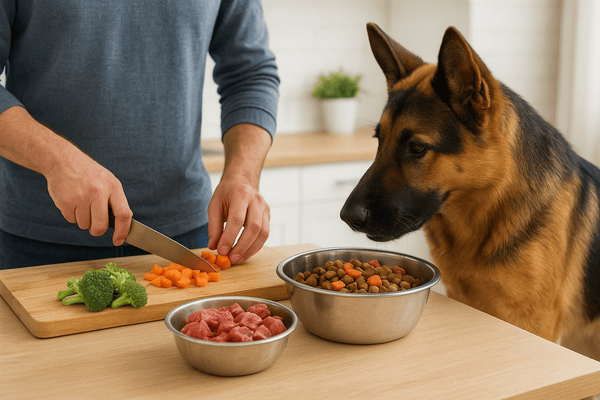
*Dog owner preparing healthy homemade food for German Shepherd with chicken, rice, and vegetables*

You’re peeling a banana in the kitchen, and suddenly your German Shepherd is at your feet, tail wagging, eyes locked on that yellow fruit like it’s the most fascinating thing they’ve ever seen.

Can you share a piece? Is it safe? Will it upset their stomach?

The short answer: Yes, German Shepherds can absolutely eat bananas. They’re not toxic, and in moderation, they can even be a healthy treat. But like most human foods, there are some guidelines you should follow to keep your GSD safe and healthy.

Let’s break down everything you need to know about feeding bananas to your German Shepherd—plus a bunch of other fruits and vegetables that make excellent, nutritious snacks.


Can German Shepherds Eat Bananas? The Quick Answer

Yes, bananas are safe for German Shepherds. They’re non-toxic, easy to digest, and packed with nutrients that can benefit your dog’s health.

Bananas contain:

  • Potassium (supports heart and muscle function)
  • Vitamin C (boosts immune health)
  • Vitamin B6 (helps with brain development and function)
  • Fiber (aids digestion)
  • Natural sugars (quick energy boost)

That said, bananas are also relatively high in sugar, which means they should be given as an occasional treat—not a daily staple. Too much banana can lead to weight gain, digestive upset, or blood sugar spikes, especially in less active dogs.

Hazel’s Tip:
I give my German Shepherds banana slices as high-value training treats or frozen banana chunks on hot summer days. They love them, and I love that I’m giving them something natural instead of processed snacks.


Health Benefits of Bananas for German Shepherds

When given in moderation, bananas can be a genuinely healthy addition to your GSD’s diet. Here’s what they bring to the table:

1. Natural Energy Boost

The natural sugars in bananas (fructose, glucose, and sucrose) provide quick energy. This makes bananas a great pre-walk or post-exercise snack for active German Shepherds.

2. Supports Digestive Health

Bananas are high in fiber, which can help regulate your dog’s digestive system. If your GSD occasionally has loose stools, a small amount of banana can help firm things up. On the flip side, too much fiber can cause constipation, so balance is key.

3. Heart and Muscle Function

Potassium is essential for heart health and proper muscle function. German Shepherds are active, muscular dogs, and potassium helps keep everything running smoothly.

4. Immune System Support

Vitamin C acts as an antioxidant, supporting your dog’s immune system and helping their body fight off illness and inflammation.

5. Low in Sodium and Cholesterol

Unlike many processed dog treats, bananas are naturally low in sodium and cholesterol, making them a heart-healthy option.


How to Safely Feed Bananas to Your German Shepherd

Just because bananas are safe doesn’t mean you should toss your GSD a whole one and call it a day. Here’s how to do it right:

Portion Size Matters

For an adult German Shepherd, a few slices of banana (about 1-2 inches of a medium banana) is plenty for one serving. Treats—including healthy ones like fruit—should make up no more than 10% of your dog’s daily calorie intake.

Sizing guide:

  • Puppies: 1-2 small slices
  • Adult GSDs: 3-5 slices
  • Senior dogs: 2-3 slices (especially if they’re less active)

Remove the Peel

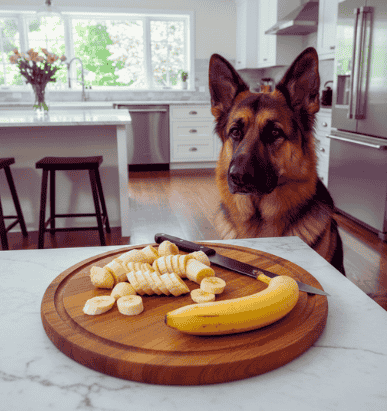
Banana peels aren’t toxic, but they’re tough to digest and can cause blockages or stomach upset. Always peel the banana before offering it to your dog.

Serve Fresh or Frozen

Bananas can be served fresh, mashed, or frozen. Frozen banana slices make an excellent cooling treat on hot days, and many dogs love the texture.

Avoid Added Ingredients

Never give your German Shepherd banana bread, banana chips, or anything with added sugar, chocolate, or artificial sweeteners (especially xylitol, which is highly toxic to dogs). Plain, fresh banana only.

Introduce Slowly

If your GSD has never had banana before, start with a small piece and watch for any signs of digestive upset (diarrhea, vomiting, excessive gas). Most dogs tolerate bananas well, but it’s always smart to introduce new foods gradually.
can-gsd-eat-banana

When Bananas Are NOT a Good Idea

While bananas are generally safe, there are a few situations where you should skip them:

1. Your Dog Is Diabetic

Bananas are high in natural sugars, which can cause blood sugar spikes. If your German Shepherd has diabetes, consult your vet before offering fruit.

2. Your Dog Is Overweight

The sugar and calorie content in bananas can contribute to weight gain if given too frequently. If your GSD is already carrying extra pounds, opt for lower-calorie treats like green beans or cucumber.

3. Your Dog Has Kidney Issues

Bananas are high in potassium, which can be problematic for dogs with kidney disease. Always check with your vet if your dog has any chronic health conditions.

4. They’ve Already Had Too Many Treats

Remember the 10% rule. If your dog has already had training treats, table scraps, or other snacks that day, skip the banana to avoid overfeeding.


15 Safe Fruits & Vegetables for German Shepherds

Bananas aren’t the only human food your GSD can enjoy. Here are 15 other fruits and veggies that are safe, healthy, and often beloved by German Shepherds:

Fruits

1. Apples (without seeds or core)
Crunchy, hydrating, and full of fiber and vitamin C. Remove the core and seeds, as apple seeds contain small amounts of cyanide.

2. Blueberries
Packed with antioxidants and low in calories. These little berries are a perfect training treat.

3. Strawberries
High in fiber and vitamin C. Serve fresh and in moderation due to sugar content.

4. Watermelon (seedless, no rind)
Super hydrating and low in calories. Great for hot days. Remove all seeds and the rind.

5. Cantaloupe
High in vitamins A and C. Feed in small amounts due to sugar content.

6. Pineapple (fresh only)
Contains bromelain, an enzyme that may help with digestion. Remove the tough core and skin. Skip canned pineapple due to added sugar.

7. Mango (no pit or skin)
Rich in vitamins A, B6, C, and E. The pit is a choking hazard, so always remove it.

8. Pears (no seeds or core)
High in fiber and vitamin C. Remove seeds and core just like with apples.


Vegetables

9. Carrots
Crunchy, low-calorie, and great for dental health. Serve raw or cooked. My GSDs go crazy for frozen carrot sticks as a teething snack.

10. Green Beans
Low in calories and high in fiber. Plain, cooked, or raw green beans are excellent for weight management.

11. Sweet Potatoes (cooked, no seasoning)
Packed with fiber, vitamins A and C, and easy to digest. Never serve raw, as they can be hard on a dog’s stomach.

12. Cucumbers
Extremely low in calories and very hydrating. Perfect for overweight dogs or hot summer days.

13. Broccoli (in small amounts)
High in fiber and vitamin C, but too much can cause gas. Serve in moderation—no more than 10% of your dog’s diet.

14. Pumpkin (plain, canned or cooked)
Excellent for digestive health. Pure pumpkin (not pie filling) can help with both diarrhea and constipation.

15. Zucchini
Low-calorie, mild-flavored, and easy to digest. Serve raw or cooked without seasoning.

Hazel’s Tip:
I keep a bag of frozen blueberries and carrot sticks in the freezer at all times. They’re my go-to training rewards, and my GSDs think they’re getting something special every single time.


10 Toxic Foods to NEVER Feed Your German Shepherd

Just as important as knowing what’s safe is knowing what’s dangerous. Here are the most common toxic foods for dogs:

  1. Grapes and Raisins — Can cause sudden kidney failure, even in small amounts.
  2. Chocolate — Contains theobromine, which is toxic to dogs. Dark chocolate is the most dangerous.
  3. Onions and Garlic — Damages red blood cells and can cause anemia.
  4. Avocado — Contains persin, which can cause vomiting and diarrhea.
  5. Xylitol (artificial sweetener) — Found in sugar-free gum, candy, and peanut butter. Causes rapid insulin release and can be fatal.
  6. Macadamia Nuts — Can cause weakness, vomiting, tremors, and hyperthermia.
  7. Alcohol — Even small amounts can cause serious poisoning.
  8. Coffee and Caffeine — Contains stimulants that are dangerous for dogs.
  9. Raw Dough — Expands in the stomach and produces alcohol as it ferments.
  10. Cooked Bones — Splinter easily and can cause choking or internal damage.

If your German Shepherd eats any of these foods, contact your vet or the Pet Poison Helpline immediately.


Hazel’s Favorite Fruit Treats for GSDs

Over the years, I’ve learned which fruits my German Shepherds go absolutely wild for. Here are my top picks:

1. Frozen Blueberry Training Treats

I freeze fresh blueberries and use them as high-value rewards during training sessions. They’re small, low-calorie, and my dogs work just as hard for them as they would for processed treats.

2. Banana and Pumpkin “Pupsicles”

Blend banana and plain pumpkin with a little water, pour into ice cube trays, and freeze. Perfect for hot days or post-walk cool-downs.

3. Apple Slices with Peanut Butter (xylitol-free!)

Slice an apple, remove the core and seeds, and spread a thin layer of xylitol-free peanut butter on top. My GSDs lose their minds over this combo.

4. Watermelon Chunks

Simple, refreshing, and naturally hydrating. I cut watermelon into bite-sized chunks and serve them cold from the fridge.


How to Introduce New Foods Safely

Whenever you’re offering your German Shepherd a new fruit or vegetable, follow these steps to avoid any stomach upset:

1. Start Small

Offer just a tiny piece literally one small bite. Wait 24 hours to see how your dog’s body reacts.

2. Watch for Symptoms

Keep an eye out for:

  • Vomiting
  • Diarrhea
  • Excessive gas
  • Lethargy
  • Loss of appetite

If any of these occur, stop feeding that food and consult your vet if symptoms persist.

3. Gradually Increase

If your dog tolerates the food well, you can slowly increase the portion size over the next few days.

4. Keep a Food Journal

If your GSD has a sensitive stomach, keep a simple log of what you’ve fed them and how they responded. It’ll help you identify patterns and avoid problem foods.


Can Puppies Have Bananas?

Yes, German Shepherd puppies can have bananas, but in even smaller portions than adults. Start with one or two thin slices and watch how they handle it.

Puppies have sensitive digestive systems, and too much fruit can cause diarrhea. It’s better to use bananas as an occasional treat rather than a regular snack.

puppy-GSD

Final Thoughts

Bananas are a safe, nutritious, and delicious treat for German Shepherds when given in moderation. They’re packed with vitamins, easy to serve, and most dogs genuinely enjoy them.

But remember: treats should always be just that—treats. Your GSD’s main diet should come from high-quality, balanced dog food that meets their nutritional needs. Fruits and vegetables are fun additions, not replacements.
If you’re ever unsure whether a food is safe, check with your vet first. And when in doubt, skip it. There are plenty of dog-safe options out there to keep your German Shepherd happy, healthy, and well-fed.

Now go ahead share that banana slice. Your GSD will thank you.


Trusted Resources


By Hazel Sloane

Is your German Shepherd your constant shadow? Here’s why GSDs get so attached and when clinginess becomes a problem you need to address.

Does your German Shepherd follow you from room to room? Sleep with their body pressed against yours? Whine the moment you step out of sight? If you’re nodding yes, you’re definitely not alone.

German Shepherds have earned a reputation as “velcro dogs” for good reason. Their loyalty runs deep, and for many GSDs, being close to their person isn’t just preferred it feels necessary. But when does normal attachment cross the line into unhealthy clinginess?

I’ve lived with German Shepherds for years, and I’ve seen the full spectrum from dogs who happily entertain themselves to those who panic if I’m out of sight for thirty seconds. Understanding why your GSD is so clingy is the first step to helping them feel more secure and independent.

Let’s break down what’s really going on.

Why-Is-My-German-Shepherd-So-Clingy?

Why German Shepherds Are Naturally “Velcro Dogs”

Before we dive into specific reasons for clinginess, it’s worth understanding that German Shepherds were literally bred to stick close to their handlers.

Originally developed as herding dogs in Germany during the late 1800s, GSDs were tasked with watching over flocks and responding instantly to their shepherd’s commands. That required focus, loyalty, and a strong desire to stay near their human partner.

Even though most German Shepherds today aren’t herding sheep, that instinct hasn’t disappeared. Your GSD’s need to be near you isn’t a flaw it’s hardwired into the breed. They’re working dogs who want a job, and for many of them, that job is you.

But there’s a difference between a loyal companion who enjoys your presence and a dog who can’t function without you. Let’s talk about what pushes a GSD from naturally affectionate into overly dependent territory.

7 Reasons Your German Shepherd Might Be Extra Clingy

1.Separation Anxiety

This is the big one. Separation anxiety isn’t just missing you it’s genuine distress when you’re not around. Dogs with separation anxiety may:

  • Drool, pace, or pant excessively when you prepare to leave
  • Destroy furniture, doors, or windows trying to follow you
  • Bark or howl nonstop
  • Have accidents in the house despite being housetrained

German Shepherds are prone to separation anxiety because of their deep bond with their owners. If your GSD was adopted, rehomed, or experienced a major life change (like moving or losing a family member), anxiety can intensify.

Hazel’s Tip:
I once fostered a GSD who would tear up the carpet near the front door every time I left. It wasn’t spite it was panic. Working with a trainer and gradually desensitizing him to my departures made all the difference.

2.Lack of Mental Stimulation

A bored German Shepherd is a clingy German Shepherd. These dogs are incredibly intelligent, and without enough mental exercise, they turn to you as their sole source of entertainment.

If your GSD isn’t getting puzzle toys, training sessions, scent work, or other brain-engaging activities, they’ll shadow you constantly just to feel like they’re doing something.

Think of it this way: if you had nothing to do all day except wait for your best friend to pay attention to you, you’d probably follow them around too.

3.Insufficient Physical Exercise

German Shepherds are athletes. They need daily exercise and I’m not talking about a ten-minute stroll around the block.

An under-exercised GSD has pent-up energy with nowhere to go. Clinginess can be a way of saying, “I’m restless, and I need you to fix this.” Without a proper outlet, that energy turns into anxious attachment.

Most adult GSDs need at least 60-90 minutes of activity per day more for working-line dogs. If your Shepherd isn’t getting that, clinginess is just one symptom. You might also see destructive chewing, hyperactivity, or obsessive behaviors.

out door activities

4.They’re Not Feeling Well

Sometimes clinginess is a health red flag. Dogs who are in pain, nauseous, or generally unwell often seek comfort from their owners more than usual.

If your German Shepherd suddenly becomes clingy when they weren’t before, consider whether something physical might be going on:

  • Joint pain or arthritis (common in GSDs)
  • Digestive upset
  • Ear infections
  • Cognitive decline in older dogs

When my older GSD started following me more closely than usual, I initially thought she was just getting needier with age. Turns out, she had early hip dysplasia and felt safer staying near me. A vet visit and proper pain management helped her relax again.

5. Major Life Changes

Dogs thrive on routine. When their world shifts new home, new baby, new pet, schedule changes they can become clingy as a coping mechanism.

German Shepherds are especially sensitive to changes in their environment. Moving houses, a family member leaving for college, or even a change in your work schedule can trigger insecurity.

Your GSD isn’t being dramatic. They’re genuinely trying to make sense of what’s different and looking to you for reassurance that everything’s okay.

6. Reinforced Behavior (Yes, You Might Be Encouraging It)

If your German Shepherd whines and you immediately give them attention, you’ve just taught them that whining works. If they follow you to the bathroom and you chat with them or pet them, you’ve reinforced that shadowing behavior.

7. They Were Never Taught Independence

Puppies who are constantly held, never crated, and always have someone home can grow into adults who genuinely don’t know how to self-soothe. If your GSD has always had 24/7 access to you, independence might feel frightening simply because it’s unfamiliar.

When Clinginess Becomes a Problem

Not all clinginess is bad. A German Shepherd who prefers your company and follows you around occasionally? That’s just a loyal dog being a loyal dog.

But clinginess becomes a problem when:

  • Your dog can’t relax unless you’re in the same room
  • They panic, destroy things, or self-harm when left alone
  • You feel trapped or unable to leave your house
  • Your GSD is aggressive toward other people or pets who approach you
  • Their anxiety is affecting their quality of life (constant panting, pacing, whining)

If your dog’s attachment is causing distress for them or for you it’s time to take action.

How to Help an Overly Clingy German Shepherd

Trainig-leash-to-GSD

Start With a Vet Visit

Rule out medical issues first. Pain, illness, or cognitive decline can all cause sudden clinginess. Your vet can also prescribe anti-anxiety medication if needed sometimes that’s a necessary bridge while you work on behavior modification.

Increase Physical Exercise

A tired dog is a calm dog. Make sure your GSD is getting enough exercise every single day. This might mean:

  • Two 30-45 minute walks
  • Fetch sessions in the yard
  • Running, hiking, or biking together
  • Dog sports like agility or nosework

If you’re not sure whether your dog is getting enough exercise, ask yourself: are they calmly resting for most of the day, or are they restless and seeking attention constantly?

Add Mental Enrichment

Physical exercise alone isn’t enough for German Shepherds. Their brains need work too.

Try:

  • Puzzle feeders and treat dispensing toys
  • Hide and seek games with treats or toys
  • Basic obedience training sessions (even 5-10 minutes daily helps)
  • Teaching new tricks
  • Scent work or nose games

A mentally tired GSD is far less likely to shadow you obsessively.

Teach Independence Gradually

You can’t force a clingy dog to suddenly be okay, alone it has to be a gradual process.

Start small:

  1. Practice short separations while you’re still home. Step into another room for 30 seconds, then return calmly.
  2. Gradually increase the time you’re out of sight.
  3. Reward calm, independent behavior like your dog resting on their bed while you’re in another room.
  4. Use a crate or designated “place” where your dog learns to relax on their own.

Hazel’s Tip:
I use a baby gate to create separation without full isolation. My GSD can see me but can’t follow me. Over time, she learned that being in a different space doesn’t mean I’ve abandoned her.

Stop Reinforcing Clingy Behavior

This one’s hard, but necessary. If your dog whines for attention, wait until they’re quiet before you respond. If they follow you everywhere, occasionally close a door and let them learn that you’ll come back.

You’re not being mean you’re teaching resilience.

Create a Safe, Comfortable Space

Give your GSD a cozy spot that’s theirs a crate, a dog bed, a corner of the living room. Make it appealing with a favorite blanket, a chew toy, and maybe a piece of your worn clothing (your scent is comforting).

Practice having your dog settle in that space while you’re home. Reward them for staying put, even if it’s just for a few minutes.

Consider Professional Help

If your German Shepherd’s clinginess is severe, especially if it involves destructive behavior, aggression, or self harm, work with a certified dog trainer or veterinary behaviorist.

Separation anxiety and extreme attachment can be complex issues. There’s no shame in getting expert guidance.

What NOT to Do

Don’t Punish Clingy Behavior

Yelling at your dog for following you or being anxious will only make things worse. Fear and anxiety aren’t fixed through punishment, they’re fixed through patience and positive reinforcement.

Don’t Make Departures a Big Deal

Long goodbyes (“I’ll miss you! Be a good boy! Mommy will be back soon!”) actually increase anxiety. Your dog picks up on your emotional energy and interprets it as, “Something scary is happening.”

Instead, leave calmly and matter of factly. No big farewell production.

Don’t Ignore Medical or Behavioral Red Flags

If your dog’s clinginess is sudden, extreme, or paired with other concerning symptoms, don’t wait. Get professional input.

When to See a Vet or Behaviorist

each out to a professional if:

  • Your GSD’s clinginess appeared suddenly or worsened rapidly
  • They’re destroying property or injuring themselves when alone
  • You’ve tried gradual separation and it’s not improving
  • Your dog shows signs of pain, illness, or cognitive issues
  • You’re feeling overwhelmed or trapped by your dog’s behavior

There’s help available, and you don’t have to figure this out alone.

Final Thoughts

Clinginess in German Shepherds isn’t always a problem it’s often just a reflection of their deep loyalty and love. But when attachment becomes anxiety, it’s worth addressing for both your sake and theirs.

The good news? With patience, consistency, and the right approach, most clingy German Shepherds can learn to feel secure even when you’re not right beside them. It takes time, but it’s absolutely possible.

Your GSD doesn’t need to be glued to your side to know they’re loved. Teaching them independence is one of the kindest things you can do.

Trusted Resources

German Shepherds are more than just loyal companions they’re icons. Known for their intelligence, courage, and devotion, GSDs have left permanent marks on history, pop culture, law enforcement, and even wartime missions.

In this Shepzy guide, we’re celebrating seven legendary German Shepherds whose stories continue to inspire millions of dog lovers. If you’re a proud GSD parent (or future one), these tales will remind you why this breed is one of the most beloved in the world.

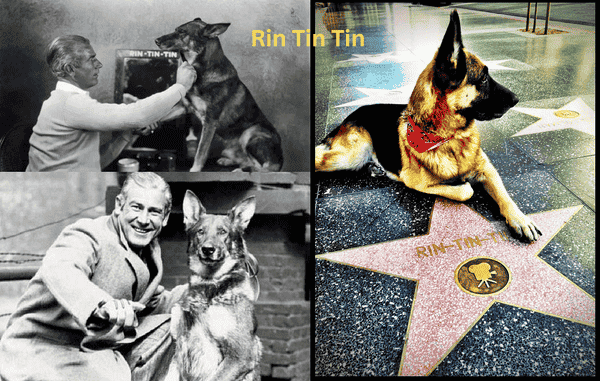
1. Rin Tin Tin — The German Shepherd That Saved Hollywood

Why Rin Tin Tin Is Legendary

  • He starred in over 25 Hollywood films.
  • His performances helped Warner Bros survive financial collapse in the 1920s.
  • Rumor says he received the most votes for the first Academy Award for Best Actor (though he was removed because he was a dog!).

Rin Tin Tin is the reason German Shepherds became one of America’s favorite dog breeds and the hero behind the rise of canine movies worldwide.

2. Strongheart — One of the First GSD Movie Stars

Before Rin Tin Tin, there was Strongheart, another rescued GSD turned actor. Born as “Etzel von Oeringen” in Germany, Strongheart was trained as a police dog before coming to the U.S. for a film career.

His Impact

  • Starred in several silent films including The Silent Call and White Fang.
  • Helped establish the “hero dog” genre in early cinema.
  • Became a beloved symbol of courage and strength.

Strongheart’s intense expressions and emotional performance style stunned audiences and showed the world what GSDs were capable of on screen.

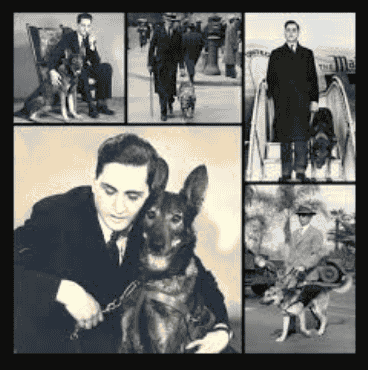
3. Buddy — The First Official Guide Dog in America

Buddy wasn’t just a German Shepherd she was the pioneer who changed the lives of thousands of visually impaired people.

In 1928, a young blind man named Morris Frank traveled to Switzerland to be paired with the first American-trained guide dog. The dog’s name was Buddy.

Why Buddy Is Unforgettable

  • She became the first guide dog in the U.S., leading the way for modern guide-dog programs.
  • Buddy and Morris Frank co-founded The Seeing Eye, the first guide-dog school in North America.
  • Her calmness, intelligence, and trainability set the gold standard for future guide dogs.

Buddy proved German Shepherds could not only protect and serve but also guide, comfort, and transform human lives.

Buddy

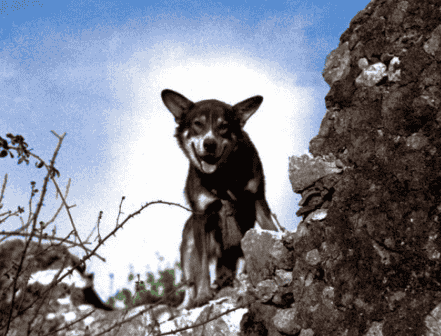
4. Chips — The Most Decorated War Dog in U.S. Military History

Chips, a mixed German Shepherd Collie Husky, served during World War II and became one of the most decorated military dogs in American history.

His Heroic Feats

  • Participated in Operation Husky (the invasion of Sicily).
  • Single-pawedly attacked an enemy machine-gun nest, forcing four soldiers to surrender.
  • Saved U.S. troops during multiple surprise attacks.

For his bravery, Chips was awarded:

  • The Distinguished Service Cross
  • The Silver Star
  • The Purple Heart

Though the military later revoked animal medals, Chips remains a symbol of courage, loyalty, and selfless service.

Chips

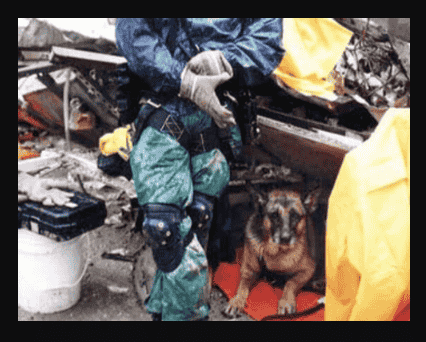
5. Apollo — The 9/11 Search-and-Rescue Hero

No list is complete without Apollo, one of the first K-9 responders at the World Trade Center after the 9/11 attacks.

Apollo’s Legacy

  • Arrived at Ground Zero 15 minutes after the collapse.
  • Rescued survivors and located victims under dangerous conditions.
  • Nearly lost his life when falling debris struck but continued working after a quick check by his handler.

Apollo and other search-and-rescue GSDs became symbols of hope during one of the darkest moments in history. He was honored with the Dickin Award (the animal equivalent of the Victoria Cross).

6. Finn — The Police Dog Who Changed UK Law

Finn was a police German Shepherd in the UK who became famous after surviving a brutal knife attack while protecting his handler.

What Finn Achieved

  • His story led to the creation of Finn’s Law, which gives police dogs and horses stronger legal protection from harm.
  • Finn recovered from severe injuries and continued supporting police outreach programs.
  • He also became a finalist on Britain’s Got Talent stealing hearts nationwide.

Finn proved that GSDs aren’t just working dogs; they’re partners who put their lives on the line.

7. Max — The Family Dog Who Saved a Boy’s Life

Max’s Heroism

  • Threw himself between the child and the snake.
  • Took the bites himself but survived thanks to quick medical care.
  • Became a global symbol of the German Shepherd’s loyalty and protective nature.

Stories like Max’s remind us that sometimes the greatest heroes are family pets driven by pure love.

Why German Shepherds Continue to Make History

From film sets to battlefields, disaster zones to family homes, German Shepherds stand out for:

  • Intelligence (one of the top 3 smartest breeds)
  • Trainability (police, service, protection, therapy GSDs can do it all)
  • Courage & loyalty
  • Emotional sensitivity
  • Incredible work ethic

This unique combination allows them to rise to extraordinary moments and leave a lasting impact on the world.

Final Thoughts: The Legacy Lives On

These seven German Shepherds didn’t just make history they shaped cultures, saved lives, changed laws, and captured hearts across generations.

Whether your GSD is a couch cuddler, a backyard explorer, or a trained working partner, remember this:

Every German Shepherd carries the same spirit that made these legendary dogs unforgettable.

So give your GSD an extra hug today they may not know they come from a line of heroes, but they definitely act like it.

Few dog breeds capture hearts quite like the German Shepherd. Intelligent, loyal, and deeply devoted, this breed has become a symbol of courage and companionship around the world.

Whether you’ve just brought home a GSD puppy or are thinking about adopting one, understanding what makes this breed so special is the first step to a happy, lifelong bond.

Let’s dive into the complete German Shepherd breed profile the truth about their temperament, training needs, and what new owners can expect from life with this incredible companion.

A Quick History of the German Shepherd

The German Shepherd story begins in the late 1800s with Captain Max von Stephanitz, a German cavalry officer who wanted to create the perfect working dog intelligent, loyal, and strong. He succeeded beyond imagination.

Originally bred for herding and guarding flocks, the German Shepherd quickly proved itself as a multitasker: a police partner, war hero, search-and-rescue dog, and family protector.
From Rin Tin Tin’s movie fame to K9 service around the world, the GSD has earned its reputation as one of the most versatile and admired breeds ever created.

German Shepherd Appearance & Physical Traits

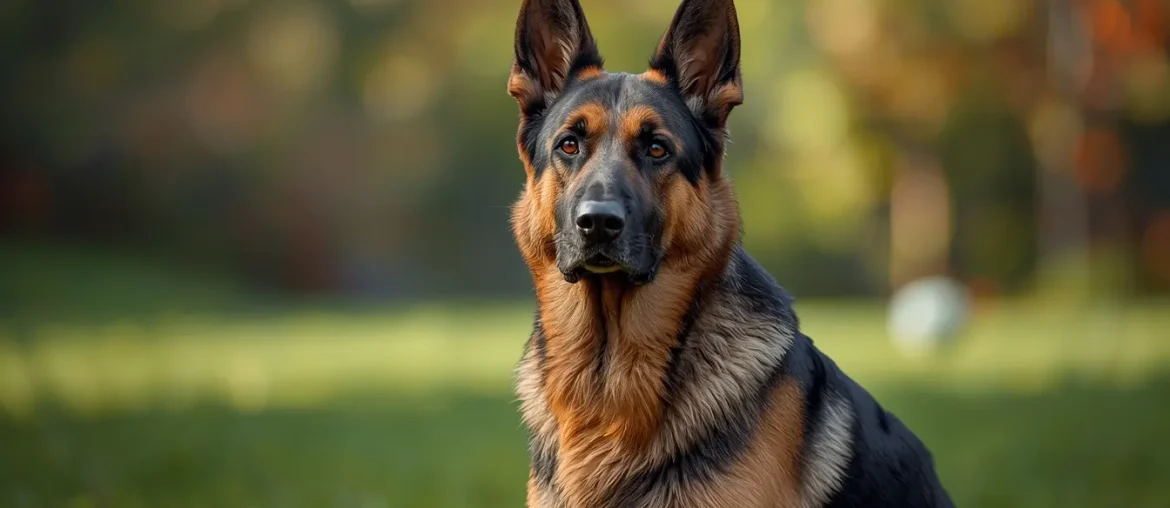
German Shepherds are the picture of strength and grace. They have a medium-to-large build, powerful muscles, and a noble stance that exudes confidence.

Key Physical Traits:

  • Height: 22–26 inches
  • Weight: 50–90 pounds (varies by gender and build)
  • Coat: Double-layered (dense undercoat + weather-resistant outer coat)
  • Colors: Black and tan (most common), sable, all-black, and sometimes white

Their erect ears, deep chest, and alert eyes make them instantly recognizable. Every inch of a GSD says, “I’m ready to work and protect the ones I love.”

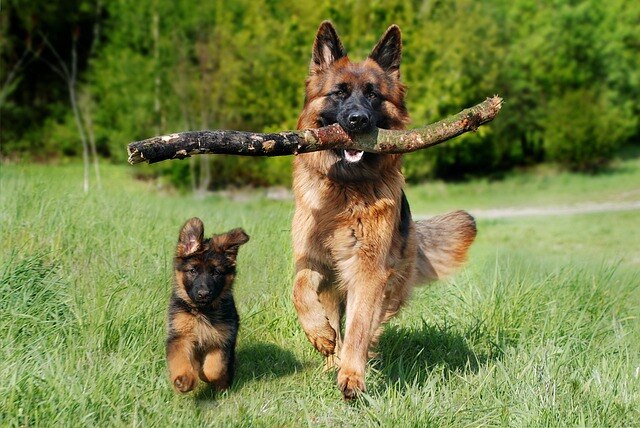
German Shepherd running in open field showing strong ability

Temperament — What Makes GSDs So Special

Loyal. Confident. Intelligent. That’s the German Shepherd in three words.

This breed thrives on connection and purpose. They bond deeply with their family, often choosing one person as their “favorite human.” Yet, they’re equally loving and protective of children, making them one of the best all-around family dogs when properly trained.

Temperament Highlights:

  • Loyal & protective – Always watching over their home and people.
  • Highly intelligent – Ranked among the top 3 smartest dog breeds.
  • Trainable & eager to please – They live to make you proud.
  • Reserved but gentle – Naturally cautious with strangers, affectionate with family.

Hazel’s insight : “German Shepherds don’t just listen; they understand. That’s what makes training feel like teamwork, not obedience.”

Training & Mental Stimulation

Owning a GSD means embracing their brilliance. They’re fast learners, but they need direction and mental engagement to stay balanced.

Start with early socialization. Introduce your puppy to people, dogs, and new experiences. Pair this with positive reinforcement training. Harsh methods don’t work with GSDs; encouragement does.

Top mental workouts for GSDs:

  • Obedience and agility training
  • Nose work and scent games
  • Puzzle toys and hide-and-seek
  • Trick training and daily command refreshers

Remember: a tired GSD is a happy GSD. Mental stimulation is just as important as physical exercise.

Exercise & Activity Needs

If you’re not an active person, a German Shepherd might just make you one.
These dogs were built for work they need movement to stay healthy and happy.

Activity Guidelines:

  • 1–2 hours of exercise daily
  • Mix of walks, running, and playtime
  • Perfect outdoor companions for hiking, jogging, or fetch
  • Ideal for obedience, agility, and tracking competitions

Without enough exercise, a GSD may become restless or develop destructive habits. Give them a job to do even if it’s “guarding the backyard.”

Grooming & Shedding Reality

Here’s the truth every GSD owner learns fast: they shed… a lot.

Nicknamed “the German Shedder,” this breed blows its undercoat twice a year (spring and fall). But with regular grooming, it’s completely manageable.

Grooming Tips:

  • Brush 2–3 times a week (daily during shedding seasons)
  • Bathe every 6–8 weeks not too often (read our bathing guide here)
  • Use a deshedding brush or grooming rake
  • Trim nails, clean ears, and brush teeth regularly
  • Hazel’s Pro Tip: Brushing before a bath helps loosen dead hair for easier cleanup.

Health Overview

Like all breeds, German Shepherds have their health considerations.
Common issues include hip and elbow dysplasia, degenerative myelopathy, and allergies.

A responsible diet, regular vet checkups, and joint supplements can help your GSD stay strong and agile for years.

Average Lifespan: 9–13 years
Healthy Habits:

  • Balanced diet rich in protein and omega-3s
  • Regular vet visits and yearly bloodwork
  • Controlled exercise (especially for growing puppies)

Why German Shepherds Make Amazing Family Dogs

Despite their working-dog image, GSDs are big softies at heart.
They’re deeply attached to their humans and protective without being aggressive when trained well.

Why families love them:

  • Excellent with kids gentle yet watchful
  • Loyal and devoted companions
  • Naturally protective but obedient
  • Emotionally intelligent and intuitive

“When a German Shepherd loves you, they love you for life. There’s no halfway with them.”

GSD-Perfect-family-dog

Is a German Shepherd Right for You?

  • Can I commit to daily exercise and training?
  • Do I have space for a large, active dog?
  • Am I ready to handle shedding and regular grooming?

If your answer is yes, congratulations! You’re ready for one of the most rewarding bonds in the dog world.

German Shepherds aren’t just pets; they’re partners, protectors, and best friends rolled into one.

Conclusion

The German Shepherd is a breed like no other: brave , brilliant, and endlessly loyal. They’ll challenge you, protect you, and stand by your side through everything.

Give them structure, training, and love, and they’ll give you their whole heart in return.

Thinking of getting a GSD? Welcome to the family and to the Shepzy pack.

Trusted External Links

By Hazel Sloane

Ever wondered if you’re bathing your German Shepherd too often or not enough? You’re not alone! Many GSD parents struggle to find the sweet spot between a sparkling-clean coat and healthy skin. Bathing your shepherd the right way isn’t just about smell, it’s about preserving their natural oils, comfort, and long-term skin health.

Let’s uncover the truth about how often your German Shepherd really needs a bath and what happens when you overdo it.

Why Bathing Frequency Matters for GSDs

German Shepherds aren’t your average short-haired dogs they’re double-coated dynamos. Their outer guard coat protects them from dirt and weather, while the soft undercoat helps regulate body temperature.

Overbathing can strip away those natural oils, leaving the skin dry and flaky. On the flip side, skipping baths for too long allows dirt, allergens, and odor to build up.
The right routine keeps their coat balanced clean, but not stripped.

Factors That Affect Bathing Needs

  • Climate: Hot or humid areas may call for slightly more frequent baths.
  • Activity level: Outdoor adventurers need cleaning more often than couch cuddlers.
  • Shedding season: A warm rinse helps loosen that extra fur during heavy shedding months.

Ideal Bathing Schedule for German Shepherds

So, how often should you bathe a German Shepherd?

Every 6–8 weeks works perfectly for most dogs.

Here’s a quick breakdown:

  • Highly active or outdoor GSDs: Every 4–6 weeks
  • Indoor or low-activity GSDs: Every 2–3 months
  • Puppies: Only when truly needed (mild, puppy-safe shampoo)
  • Senior GSDs: Gentle baths as needed to avoid drying sensitive skin

Remember, brushing once or twice a week keeps their coat fresher longer between baths!

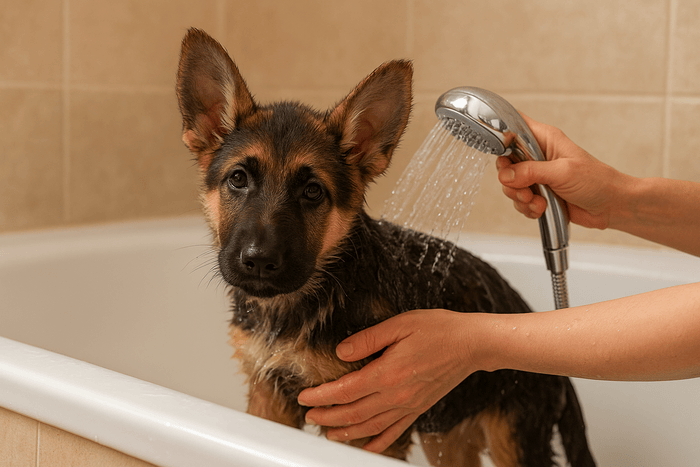
German Shepherd getting a bath at home with mild dog shampoo

Signs Your GSD Needs a Bath Sooner

Even with a schedule, sometimes your pup will tell you it’s bath time. Look for:

  • Persistent “doggy” odor or greasy feel
  • Visible dirt buildup or dull coat
  • Itching, paw licking, or dandruff
  • Rolling in something… interesting

Hazel’s Tip: Between baths, use a microfiber towel or pet dry shampoo to refresh your shepherd without over-washing.

Common Bathing Mistakes to Avoid

Even the most loving owners make these bath-time blunders:

  1. Using human shampoo – It’s too acidic for canine skin.
  2. Overbathing – Removes essential oils and causes itchiness.
  3. Skipping the pre-bath brush – Trapped hair blocks shampoo from reaching the skin.
  4. Poor drying – Damp coats can trigger hot spots and fungus.

Stick to dog-formulated, gentle shampoos and always rinse thoroughly.

How to Bathe Your German Shepherd Properly

Bathing your GSD doesn’t have to be stressful! Follow this Hazel-approved routine:

  1. Brush first to remove loose hair.
  2. Use lukewarm water never hot.
  3. Massage shampoo deeply into the undercoat using your fingertips.
  4. Rinse completely, even the tail base and armpits.
  5. Towel-dry or use a blow dryer on low, brushing as you go.

Your pup will look show-ready in no time!

Professional Grooming When It’s Worth It

Key Takeaways

  • Bathe your GSD every 6–8 weeks (adjust for lifestyle).
  • Use dog-specific shampoo no human products.
  • Always brush before and after baths.
  • Keep drying thorough to avoid skin issues.
  • Balance cleanliness with coat health.

Conclusion

Your German Shepherd’s coat is more than fruit’s protection, insulation, and personality rolled into one. Bathing them too much can do more harm than good, while neglecting baths can make them uncomfortable.

So, aim for that every-6-weeks rhythm, brush often, and focus on gentle care. Your GSD will reward you with a shiny coat, happy skin, and that famous shepherd sparkle in their eyes.

Want to share your bath routine? Drop it in the comments or tag @Shepzy on social media!

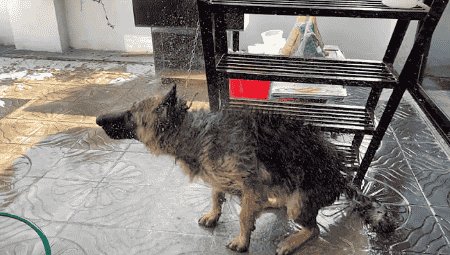
Freshly bathed German Shepherd shaking off water happily

You can get more details about German shepherds

Trusted External Links

By Hazel Sloane

Discover the top supplements every German Shepherd owner should know — for strong joints, a glossy coat, and overall vitality.

German Shepherds are powerful, loyal, and full of life — but their large frames and active nature mean they need a little extra care to stay in top shape. Over the years, I’ve learned that even with the best diet, supplements can make a world of difference for joint strength, coat shine, and long-term health.

Here’s everything you need to know to choose the right supplements for your GSD — what works, what to avoid, and how to build a daily routine that keeps your best friend thriving.

Why Supplements Matter for GSDs

German Shepherds are prone to joint conditions like hip and elbow dysplasia and often develop dry, itchy skin or dull coats due to allergies or poor nutrition. Supplements help fill the nutritional gaps even premium dog foods can miss.

The right combination supports:

  • Strong joints – reduces stiffness and improves mobility
  • Healthy skin and coat – nourishes from within for shine and softness
  • Immunity and digestion – strengthens their overall resilience

A good supplement plan is like invisible armor — it helps your Shepherd stay active, comfortable, and radiant.

Top Joint Health Supplements for German Shepherds

Joint supplements are essential for every GSD, especially after the first year. Look for formulas with proven ingredients:

Key nutrients:

  • Glucosamine & Chondroitin – rebuild cartilage and ease inflammation
  • MSM (Methylsulfonylmethane) – reduces pain and stiffness
  • Hyaluronic Acid – supports joint cushioning and fluid retention

Hazel’s Pick — Joint Care Plus
Advanced Glucosamine & MSM Chews
Supports mobility and comfort in active or senior German Shepherds.


*Owner giving a German Shepherd joint supplement chew with glucosamine and MSM*

Coat and Skin Supplements

A shiny coat starts from the inside out. Omega fatty acids, vitamins, and minerals are the secret to keeping that famous Shepherd fur soft and sleek.

Key nutrients:

  • Omega-3 & Omega-6 fatty acids – nourish the skin and reduce shedding
  • Biotin & Zinc – promote hair strength and skin repair
  • Vitamin E – supports antioxidant protection

Hazel’s Pick—Omega Shine Oil
Premium fish-oil blend for skin health, reduced shedding, and coat luster

Hazel’s Tip:
Add omega oil to meals 3–4 times a week instead of daily — it enhances absorption without overloading calories.

Multivitamins and Overall Wellness Boosters

Even with balanced diets, GSDs benefit from broad-spectrum multivitamins. These support bone strength, digestion, and immune function — especially helpful for dogs recovering from illness or under stress.

Look for:

  • Vitamins A, C, D, E
  • B-complex (energy and metabolism)
  • Probiotics and digestive enzymes

Hazel’s Pick — Vital GSD Multivitamin
Daily soft chews for balanced energy, strong immunity, and healthy digestion.

How to Add Supplements Safely

Start slow and always introduce one supplement at a time. Pair them with meals for better absorption and less stomach upset.

General routine example:

  • Morning: Joint supplement with breakfast
  • Evening: Omega-3 oil with dinner
  • Twice weekly: Multivitamin soft chew

Hazel’s Tip:
If your Shepherd is already on medication, check with your vet before adding any new supplement. Some can overlap or interfere with prescribed treatments.(Our guide on GSD food)

**Joint and coat supplements next to dog bowl for German Shepherd health routine*
How to Safely Balance Homemade and Store-Bought Meals

Common Mistakes to Avoid

  • Over-supplementing — more is not the best always
  • Mixing brands with duplicate ingredients
  • Ignoring dosage recommendations
  • Skipping vet consultations for older or arthritic dogs
  • A careful, consistent routine will always outperform random dosing.

Trusted Resources

Final Thoughts

Supplements can’t replace good food or love — but they can amplify both. When used wisely, they help your German Shepherd stay agile, comfortable, and radiant through every life stage.

Consistency is key: choose reputable brands, stick to a routine, and listen to your dog’s body language. You’ll see the difference not just in movement and coat shine — but in their energy, joy, and confidence.

*Healthy German Shepherd relaxing with owner after consistent use of supplements for joints and coat*

By Hazel Sloane

Learn gentle, effective ways to stop your German Shepherd from jumping on people — without yelling, fear, or confusion. Build calm confidence and polite greetings your GSD will love to show off.


I’ll admit — every time I see a young German Shepherd bouncing toward someone, I see pure excitement, not mischief. They’re loyal, social, and sometimes just a little too enthusiastic about showing their affection. But when those 70+ pounds of energy hit your guests, it quickly stops being cute and starts being a problem.

When my first Shepherd, Rex, was a puppy, his jumping made every greeting chaotic. Visitors would brace themselves at the door, and walks became embarrassing when he’d launch himself at friendly strangers. I tried everything from shouting “no” to turning my back, but nothing seemed to stick.

Over time, I learned that the secret isn’t about punishment or intimidation — it’s about clear communication, calm leadership, and unbreakable consistency. Once I understood why Rex was jumping and what he actually needed to learn instead, everything changed.

Here’s exactly how you can teach your German Shepherd to greet people politely every single time—whether it’s at home, on walks, or anywhere else that excitable energy might show up.

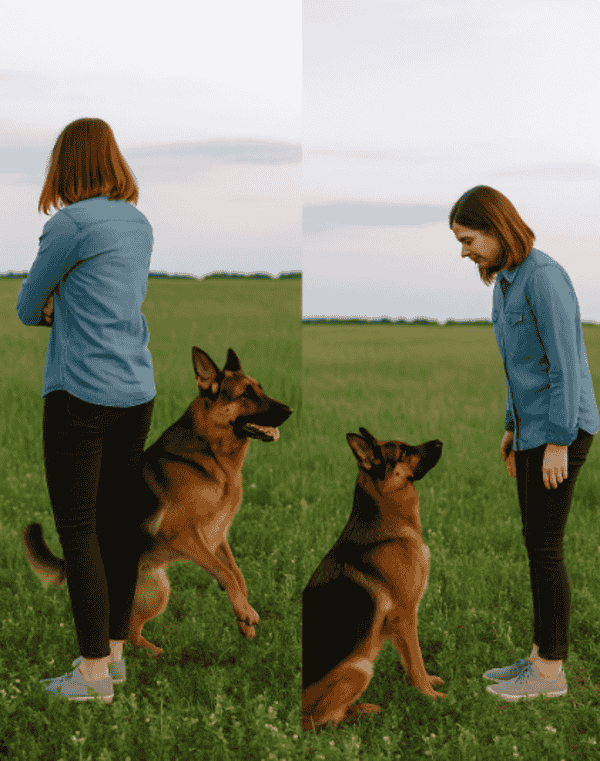
german shepherd puppy training command sit

Why German Shepherds Jump on People

Before you can fix the jumping, you need to understand why it’s happening. Jumping is completely normal dog behavior—it’s how puppies naturally greet their mother and littermates, getting up close to their faces for attention and affection.

For German Shepherds specifically, this behavior can be especially persistent because:

They’re Naturally Social and Affectionate

German Shepherds bond deeply with their families and genuinely love people. When they jump, they’re trying to get as close to your face as possible—that’s where all the good stuff happens (smiles, attention, eye contact).

They’re Seeking Attention

Any reaction—even a negative one—is attention. When you push them away, say “no,” or laugh nervously, you’re still engaging with them. To a dog, that’s a win.

The Behavior Has Been Unintentionally Rewarded

Think back to when your GSD was a cute puppy. Did people bend down to greet them? Did you pet them when they jumped? Did guests squeal with delight when those tiny paws landed on their legs?

Every time jumping resulted in attention, touch, or excitement, your dog learned: “Jumping works. This is how I get what I want.”

They Have Pent-Up Energy

German Shepherds are high-energy working dogs who need significant daily exercise. If your GSD hasn’t burned off their energy through walks, play, or mental stimulation, all that excitement has to go somewhere —and jumping becomes an outlet.

They’re Excited and Don’t Know What Else to Do

Your German Shepherd isn’t trying to be bad. They’re overwhelmed with happiness and haven’t been taught an alternative way to express it. That’s where training comes in.

Understanding the “why” helps you respond with patience and strategy instead of frustration or anger.

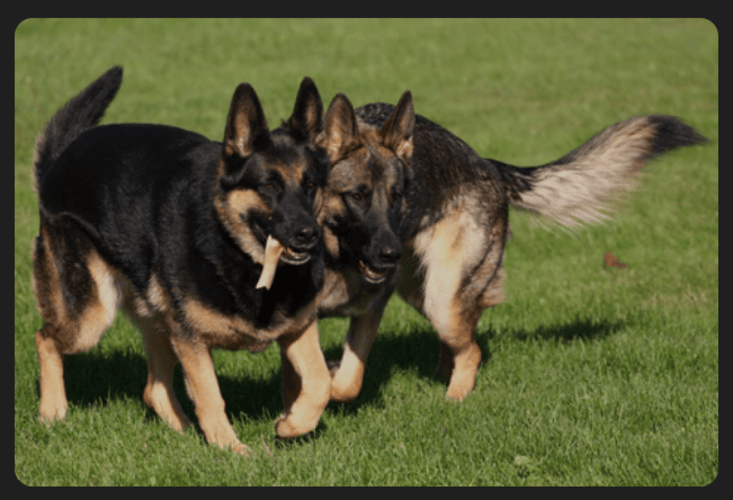
German-shepherds-play

The Problems Jumping Causes

It might seem harmless when your GSD is young, but jumping creates real problems:

Safety risks — A full-grown German Shepherd can easily knock over children, elderly people, or anyone not expecting 70-80 pounds of dog to hit them.

Guest anxiety — Many people are uncomfortable around large dogs, and a jumping GSD can be genuinely frightening—even if you know your dog is friendly.

Damaged relationships — Visitors may stop coming over. Dog-sitter options become limited. Your social life suffers.

Reinforced bad habits — The longer jumping continues, the harder it becomes to break. Adult GSDs who’ve been jumping for years require more effort to retrain.

Injury to your dog — If someone reacts poorly (kneeing, pushing hard, or yelling), your dog could get hurt or develop anxiety around strangers.

The good news? With the right approach, even dogs who’ve been jumping for years can learn calm greetings.


What NOT to Do When Your GSD Jumps

Before we dive into what works, let’s clear up some harmful training methods that are still floating around online:

Don’t Knee Them in the Chest

This outdated advice can seriously hurt your dog—especially puppies or dogs with joint issues. It also damages trust and can create fear-based reactions.

Don’t Yell or Use Intimidation

Shouting “NO!” or using harsh corrections might stop the jumping temporarily, but it doesn’t teach your dog what to do instead. It also adds stress and confusion to an already excited moment.

Don’t Completely Ignore the Behavior

Some owners think ignoring jumping means doing absolutely nothing. But if your dog is still jumping all over guests while you stand there passively, you’re not addressing the problem—you’re just letting it continue.

The key is to remove the reward (attention) while teaching an alternative behavior. We’ll cover exactly how to do that next.

Don’t Give Up Too Soon

Consistency is everything. If you work on this for three days and then go back to old habits when you’re tired or in a hurry, your GSD will learn that jumping sometimes works— and they’ll keep trying.


The Foundation: Building Calm Greetings

Before we get into specific techniques, here’s the core principle that makes everything else work:

Your German Shepherd needs to learn that calm behavior—not jumping—is what earns attention, affection, and excitement.

That means:

  • Jumping = no attention, no eye contact, no touching
  • Four paws on the floor = praise, treats, petting, everything they want

It sounds simple, but it requires discipline from you and everyone your dog interacts with. Let’s break down exactly how to make this happen.

stop-jumping-german-shepherds

Step-by-Step Training: 10 Proven Techniques

1. Stay Calm and Remove the Reward

This is the foundation of everything else. Every time your German Shepherd jumps, your job is to immediately stop being interesting.

How to do it:

  1. The moment your dog jumps, turn your body away
  2. Cross your arms over your chest
  3. Look at the ceiling or away from your dog
  4. Stay completely silent—no words, no sounds
  5. Wait

The instant all four paws hit the ground, immediately turn back, make eye contact, and calmly say “yes” or “good.” You can offer a treat or gentle petting as a reward.

If your dog jumps again (they will), repeat the process. Turn away, go silent, wait for four paws, then reward.

Why it works:
Dogs repeat behaviors that get them what they want. If jumping earns nothing and calm earns everything, they’ll quickly shift their strategy.

Hazel’s Method:
With Rex, this felt endless at first. He’d jump, I’d turn away, he’d jump again, I’d turn away— over and over. But after three days of absolute consistency, something clicked. He started sitting automatically when I came home, just to get that faster reward. It was like watching a light bulb turn on.


2. Teach an Alternative Greeting Behavior

Instead of only focusing on “don’t jump,” teach your GSD what to do instead. The best alternative? Sitting for greetings.

  1. Practice when there’s no excitement — Start in a calm environment with no distractions. Ask your dog to sit, then reward immediately.
  2. Add the doorway element — Practice having your dog sit when you approach the door (even when not leaving). Reward heavily for staying seated.
  3. Introduce mock arrivals — Go outside, wait 10 seconds, then come back in. If your dog jumps, turn away. If they sit (or you can quickly cue “sit”), reward immediately.
  4. Gradually increase excitement — Make your arrivals slightly more energetic each time, but still require the sit before any greeting happens.
  5. Bring in helpers — Have family members or friends practice the same routine. Your dog needs to learn this works with everyone, not just you.

Key tip: Ask guests to completely ignore your GSD until they’re sitting calmly. No eye contact, no talking, no touching until that behavior is offered.

This builds a powerful habit: “Sitting gets me what I want from every person I meet.”


3. Use a Leash for Controlled Greetings

Leash training isn’t just for walks—it’s one of the most effective tools for managing greetings at home.

How to use it:

When guests arrive or when you’re practicing greetings:

  1. Put your GSD on a standard 6-foot leash
  2. Step on the leash about 2 feet from the collar—this creates just enough slack for your dog to stand or sit comfortably, but not enough to jump
  3. Let your dog try to jump (they will)
  4. The leash naturally prevents it—without you having to physically intervene
  5. The moment they stop pulling and relax, praise and reward
  6. Gradually invite the guest closer, rewarding calm body language

Why it works:
The leash provides a physical boundary without you having to grab, push, or manhandle your dog. Your GSD learns that pulling and jumping don’t work, but staying calm does.

Practice this daily until your dog automatically stays grounded during greetings, even without the leash.

Trainig-leash-to-GSD

4. Practice the “Four Paws on the Floor” Rule

This is a household rule that everyone must follow religiously: No one gives your German Shepherd attention unless all four paws are on the floor.

That means:

  • No petting if they’re jumping
  • No talking to them while they’re jumping
  • No eye contact during jumping
  • No treats, toys, or play until they’re calm

Why strict consistency matters:
If one family member sometimes pets the dog while they’re jumping, or if guests occasionally give in because “it’s just so cute,” you’re training your GSD that jumping sometimes works—which means they’ll keep trying.

Think of it like a slot machine. If a behavior occasionally pays off, your dog will keep pulling that lever hoping for the jackpot.

The VCA Animal Hospitals training guide emphasizes that uniform responses across all family members help dogs learn faster and feel more secure in their understanding of expectations.


5. Manage Excitement Levels Before Guests Arrive

A hyper, overstimulated German Shepherd is far more likely to jump than a calm, tired one. Set your dog up for success by managing their energy before the exciting event happens.

Pre-guest routine:

30-60 minutes before guests arrive:

  • Take your GSD for a brisk walk or jog
  • Play fetch or tug-of-war
  • Do a quick training session (sit, down, stay)
  • Offer a puzzle toy or Kong to keep them occupied

The goal is to take the edge off that excitement so your dog can actually focus and make good choices when the doorbell rings.

During the arrival:

  • Keep your dog on leash
  • Cue “sit” before opening the door
  • Reward calm behavior heavily
  • If your dog breaks the sit, close the door and reset

Over time, this routine becomes second nature for both you and your dog. The mere act of guests arriving will trigger the calm, controlled greeting response.


6. Avoid Rough Play That Encourages Jumping

Play style matters. If your German Shepherd’s favorite games involve jumping, pawing, or wrestling, you’re accidentally reinforcing the exact behavior you’re trying to stop.

Games to avoid or modify:

  • “Stand-up wrestling” where your dog puts paws on you
  • Encouraging your dog to jump for toys or treats
  • Roughhousing that involves a lot of physical contact while your dog is on hind legs

Better alternatives:

  • Fetch — Burns energy and keeps four paws on the ground
  • Tug-of-war with rules — Teach “take it” and “drop it” so the game has structure
  • Scent games — Hide treats and let your dog use their nose
  • Obedience-based play — Reward sits, downs, and stays with play as the reward

These games channel energy into focus and self-control instead of wild, unstructured excitement.


7. Teach the “Off” Command Gently

“Off” is different from “down.” It means “get your paws off of me/that surface/that person.”

How to teach it:

  1. Wait for your dog to jump (or lure them into jumping by acting excited)
  2. The moment their paws leave the ground, say “Off” in a calm, clear voice
  3. Turn your body away and go silent
  4. The instant all four paws hit the floor, say “Yes!” and reward
  5. Repeat this 10-15 times per training session

Key points:

  • Say “Off” only once—don’t repeat it
  • Keep your tone neutral, not angry
  • The reward happens immediately when paws touch the ground
  • Practice in short sessions multiple times a day

Eventually, your dog will hear “Off” and immediately return to the ground, knowing that’s where the good stuff happens.

The ASPCA training experts recommend this cue as part of positive reinforcement training for jump-prone breeds.


8. Reinforce Calm Behavior with Guests

Your guests are part of your training team, whether they know it or not. Educate them on how to interact with your German Shepherd.

Before guests arrive, send a quick text:

“Hey! We’re working on teaching [dog’s name] not to jump. When you arrive, please ignore them completely until they’re sitting calmly—no eye contact, talking, or touching. I’ll let you know when it’s okay to greet them. Thanks for helping us out!”

During the visit:

  • Keep your dog on leash if needed
  • Reward your GSD heavily for staying calm near guests
  • If your dog jumps on a guest, have the guest immediately turn away and go silent
  • Once your dog sits, the guest can calmly say hello

Why this works:
Your German Shepherd learns that the rule applies to everyone—not just you. Calmness earns greetings from all humans, and jumping earns nothing from anyone.

GSD-guest-training

9. Reward the Quiet Moments

This is where most owners drop the ball. We’re quick to correct bad behavior, but we forget to praise the good stuff when it’s happening naturally.

Catch your GSD being calm:

  • Lying quietly while you’re cooking dinner? Toss them a treat.
  • Sitting politely while you put their leash on? Verbal praise.
  • Staying grounded when someone walks past the window? Mark it with a “yes” and a reward.

You’re teaching your dog: “This calm, settled behavior is exactly what I love to see.”

Over time, calmness becomes your German Shepherd’s default state—not because they’re suppressing excitement, but because calm behavior has been so consistently rewarded that it feels natural.

Hazel’s favorite trick:
I keep a small treat pouch on my kitchen counter. Anytime I notice my GSD being calm —even if he’s just lying on his bed — I grab a treat and quietly reward her. He learned that being chill can get random rewards all the day, so he set’s to that behavior more and more.


10. Be Patient — Progress, Not Perfection

Training takes time, especially if your German Shepherd has been jumping for months or years. Don’t expect overnight miracles.

What realistic progress looks like:

Week 1-2: Your dog still jumps frequently, but you’re staying consistent with turning away and rewarding four-paws behavior. You might see small improvements — maybe they settle faster or jump less intensely.

Week 3-4: Your dog starts to “get it.” They might hesitate before jumping, or sit automatically more often. Guests still trigger excitement, but recovery time is faster.

Week 5-8: Jumping becomes the exception, not the rule. Your GSD greets you calmly most of the time and only occasionally forgets with new visitors.

Month 3+: Calm greetings are the new normal. Your dog might still get excited with highly stimulating situations, but they recover quickly and respond to cues.

Key reminders:

  • Every dog learns at their own pace
  • Puppies and young dogs may take longer
  • Consistency is more important than speed
  • Setbacks are normal—don’t give up

If you stay steady, patient, and consistent, you will see progress. Trust the process.


Troubleshooting: When Your GSD Won’t Stop Jumping

Sometimes, despite your best efforts, progress stalls. Here’s how to troubleshoot common issues:

Problem: “My dog jumps on everyone except me.”

Solution: Other people aren’t following the rules. Your dog has learned that jumping works with strangers, guests, or certain family members.

Fix it: Advice everyone your dog interacts with. Give the same instructions to all visitors, and practice controlled greetings with friends who are willing to help train.


Problem: “My dog is too strong—I can’t turn away fast enough.”

Trick : Use the leash method. Step on the leash to prevent jumping while you work on the training foundation. As your dog learns, you can phase out the leash.


Problem: “My GSD jumps during walks when we meet people.”

Trick :

  1. See people approaching from a distance
  2. Stop walking and ask your dog to sit before the person reaches you
  3. If they can’t sit calmly, create more distance—cross the street or step off the path
  4. Reward your dog heavily for sitting while the person passes
  5. Gradually decrease the distance as your dog improves

Practice makes perfect. The more successful calm greetings your dog experiences on walks, the more automatic it becomes.


Problem: “Training was going well, then suddenly my dog regressed.”

Answer : Regression is normal, especially during adolescence (6-18 months). Don’t panic. Go back to basics—more structure, more rewards, more consistency. Adolescent GSDs test boundaries, but if you stay firm, they’ll come back around.


Problem: “I’ve tried everything and nothing works.”

Answer : It might be time to bring in a professional. A certified dog trainer or veterinary behaviorist can observe your dog in person, identify what’s going wrong, and create a customized plan.

Consider professional help if:

  • Your dog’s jumping is escalating or becoming aggressive
  • You’ve been consistent for 8+ weeks with no improvement
  • Your dog shows anxiety or fear alongside the jumping
  • You feel overwhelmed or unsure how to proceed

There’s no shame in getting expert help. Sometimes a fresh set of eyes makes all the difference.


Age-Specific Training Tips

Training Puppies (8 weeks – 6 months)

Good news is : Puppies are learning sponges. If you start early, you can prevent jumping from ever becoming a deeply ingrained habit.

Focus on:

  • Teaching “sit” as the default greeting behavior from day one
  • Socializing your puppy with calm, polite greetings to many different people
  • Keeping greetings low-key—don’t let visitors get your puppy overly excited
  • Using positive reinforcement heavily (puppies respond beautifully to treats and praise)

Be patient: Puppies have short attention spans and boundless energy. Training sessions should be brief (5-10 minutes) but frequent (3-5 times daily).


Training Adolescent GSDs (6 months – 2 years)

Challenge: Adolescence is like the teenage years for dogs. Your previously well-behaved puppy might suddenly “forget” everything they learned and test every boundary.

Focus on:

  • Increasing exercise significantly—adolescent GSDs have massive energy levels
  • Going back to basics if needed—don’t be embarrassed to revisit foundation training
  • Staying patient and consistent even when it feels like you’re moving backward
  • Using high-value rewards (real chicken, cheese, etc.) to keep motivation high

Remember: This phase is temporary. Adolescent regression is normal and doesn’t mean your training failed.


Training Adult GSDs (2+ years)

Challenge: Adult dogs who’ve been jumping for years have deeply ingrained habits. Retraining takes longer, but it’s absolutely possible.

Focus on:

  • Extreme consistency—no exceptions, no shortcuts
  • Managing the environment (leash, controlled greetings, limited guest interactions at first)
  • Patience—adult dogs can take 2-3 months to break old habits
  • Celebrating small wins—every moment of calm progress deserves recognition

Don’t give up. Even senior dogs can learn new behaviors with the right approach.


How Long Does Training Take?

This is the question everyone asks, and the honest answer is: it depends.

Factors that affect training speed:

  • Your dog’s age (puppies learn faster than adults)
  • How long they’ve been jumping (longer history = longer to fix)
  • Your consistency (100% consistency = faster results)
  • Your dog’s energy level and personality
  • How many people are involved in training
  • Environmental factors (busy household vs. quiet home)

General timeline:

Puppies: 2-4 weeks of consistent training
Adolescents: 4-8 weeks
Adults with long-term habits: 8-12 weeks or more

The key is consistency. A dog trained with 100% consistency for 4 weeks will progress faster than a dog trained inconsistently for 6 months.


Real-Life Success Story: Rex’s Transformation

When I first adopted Rex at 8 months old, he was a jumping machine. Every person who walked through my door got the full-body launch treatment. My mom stopped visiting. My friends made excuses.

I tried everything—yelling “no,” pushing him down, even the (terrible) advice about kneeing him in the chest. Nothing worked, and I was exhausted.

Then I started working with a trainer who taught me the principles I’m sharing with you. It wasn’t complicated. Just turn away when he jumps, reward four paws on the floor, and teach “sit” for greetings. But it required absolute consistency.

For the first two weeks, I felt like a robot. Turn away. Wait. Reward. Turn away. Wait. Reward. Over and over and over.

Then, one morning, I came downstairs and Rex sat automatically at the bottom of the stairs, tail wagging, waiting for me to say good morning. No jumping. Just a polite, happy sit.

Tears came to my eyes.

From that point on words progress was fast. Within six weeks, he was greeting guests calmly. Within three months, even the most exciting visitors didn’t trigger jumping.

Today, Rex is four years old, and people constantly compliment his polite manners. He greets everyone — kids, elderly neighbors, delivery drivers — with a calm sit and a wagging tail.

If Rex can learn, your German Shepherd can too.


Finally

Jumping isn’t bad manners — it’s just enthusiasm looking for direction. Your German Shepherd isn’t trying to misbehave or disrespect you. They’re excited, social, and haven’t yet learned the polite way to express those feelings.

With consistency, patience, and positive reinforcement, you can transform those chaotic greetings into calm, confident moments that make you proud.

Your GSD wants to please you — they originally do. All you have to do is show them how to in a way they can understand.

Stay steady. Trust the process. Celebrate the small wins. And remember: progress, not perfection.

You’ve got this. And so does your German Shepherd.

Want more training success?
Lets learn how to build calm, confident behavior in every situation with our 10 Proven Training Tips for German Shepherd Puppies — perfect for dogs of any age who need foundation work.


More German Shepherd Training Guides

Browse all our training guides →


Trusted Resources


GSD-Perfect-family-dog

Has your German Shepherd struggled with jumping? What finally worked for you? Share your experience in the comments below—other GSD owners would love to hear your story!

By Hazel Sloane

Discover how to maintain your German Shepherd’s coat, skin, and overall hygiene with smart grooming habits that bring out their natural beauty — and strengthen your GSD’s bond along the way.

I’ve always believed grooming isn’t just about keeping a dog clean — it’s about care, connection, and confidence. For German Shepherds, that thick double coat and active lifestyle mean grooming goes far beyond looks. It’s part of their well-being.

Over the years with my own Shepherds, I’ve learned that a solid grooming routine can prevent health problems, reduce shedding, and even deepen trust. Here’s everything you need to know to keep your GSD looking and feeling amazing.

Why Grooming Matters for German Shepherds

German Shepherds have one of the most functional coats in the dog world — a double layer that protects them from heat, cold, and moisture. But without regular care, it can trap dirt, dander, and loose fur.

Proper grooming helps manage shedding, improves skin health, and allows you to spot early signs of allergies or ticks. Think of it as preventive healthcare wrapped in a brushstroke.

1. Brush Your GSD Regularly

Brushing is the foundation of good grooming. Three to four times a week keeps shedding under control and distributes natural oils for a shiny coat.

According to the AKC German Shepherd grooming guide, regular brushing prevents matting and keeps the coat weather-resistant. I personally use a slicker brush for the outer coat and a de-shedding tool for the undercoat — it makes all the difference.

2. Use the Right Grooming Tools

Not every brush suits every coat. For GSDs, you’ll want:

  • A slicker brush (for loose fur and shine)
  • An undercoat rake (for heavy shedding)
  • A wide-tooth comb (for tangles around the neck and legs)

These tools help you reach every layer without irritating your dog’s skin. Grooming time should always feel gentle and relaxing.

3. Bath Time — Less Is More

Many owners over-bathe their GSDs. Once every 6–8 weeks is plenty unless they roll in mud. Too many baths strip protective oils and cause dryness.

Use a pH-balanced, dog-safe shampoo — avoid human products. PetMD’s bathing guide notes that less frequent, high-quality baths lead to healthier coats.

4. Keep Ears Clean and Dry

Those upright Shepherd ears are adorable — and great at catching dust and pollen. Clean them weekly with a vet-approved ear cleaner and a soft cloth.

As VCA Animal Hospitals explains, avoid pushing anything deep into the ear canal. Just wipe gently around the edges to prevent infections.

5. Trim Nails for Comfort

Long nails can cause pain, posture problems, and even joint strain. Trim every three to four weeks, or as needed.

The ASPCA grooming tips recommend short, frequent trims instead of waiting too long. If your GSD dislikes nail trimming, try a grinder for smoother, quieter results — and don’t forget the post-groom treat!

6. Check and Protect Paws

German Shepherds love running and exploring. After outdoor play, inspect paws for cuts, stones, or ticks. Apply paw balm to keep pads soft and protected, especially during hot summers or icy winters.

Small habits like these prevent bigger problems — cracked pads or hidden wounds can go unnoticed under thick fur.

7. Feed for a Healthy Coat

A shiny coat starts with nutrition. Include Omega-3 and Omega-6 fatty acids in your GSD’s diet for smooth fur and less shedding.

Vetster pet care confirms that these fatty acids promote skin health and reduce dryness. Fish oil supplements or foods rich in salmon and flax seed can make a visible difference.

8. Hydration and Skin Health

Just like humans, dogs need water to keep their skin hydrated. Make sure your GSD always has access to clean water — it prevents flaky skin and helps the body flush toxins.

Hydrated dogs have softer fur and better energy. It’s the simplest grooming secret of all.

9. Vet and Dental Checkups

Grooming isn’t complete without overall care. Regular vet visits catch early signs of allergies or infections. Don’t skip dental hygiene either — brushing or dental chews reduce tartar and bad breath.

The American Veterinary Medical Association recommends consistent dental cleaning as part of every grooming routine. Healthy teeth mean a happier Shepherd.

10. Grooming is Bonding

his is my favorite part — grooming builds trust. Talk softly, reward with treats, and make your GSD feel relaxed. These quiet moments strengthen your bond and make your dog associate grooming with comfort, not stress.

Over time, you’ll notice your Shepherd leaning into the brush, not away from it. That’s when you know you’re doing it right.

Final Thoughts

Grooming isn’t a chore — it’s an act of love. It keeps your German Shepherd healthy, confident, and connected to you.

Brush often, feed well, keep those paws and ears clean, and enjoy the quiet bonding moments that make this breed so special. A well-groomed GSD doesn’t just look incredible — they feel incredible too.

You can get more details about shedding in – German Shepherd Shedding: The Complete Survival Guide
More details on Bathing your GSD – How Often Should You Bathe a German Shepherd? The Real Truth About GSD Bathing Frequency

Trusted Resources

by Hazel Sloane | Shepzy.com

Trainable, loyal, and always ready to protect — the German Shepherd (or GSD, as most of us call them) is more than just a dog. They’re family. Whether you’ve just welcomed a GSD puppy home or you’re still deciding if this breed fits your lifestyle, this guide covers everything you should know — from their roots to their remarkable traits.

A Quick Look at the German Shepherd

Originally bred in Germany in the late 1800s, the German Shepherd was developed as a herding and working dog. Over time, their intelligence, loyalty, and versatility turned them into the world’s favorite service and companion breed.
Today, you’ll find GSDs everywhere — guiding the visually impaired, serving in police and military units, or simply being loyal protectors at home.

Fun fact: The famous movie dog Rin Tin Tin helped make German Shepherds a global sensation in the early 1900s.

Appearance and Build

If you’ve ever seen a GSD stride across a park, you know how powerful they look. Their confident stance, alert ears, and athletic build give them an unmistakable presence.

  • Height: 22–26 inches (male is taller)
  • Weight: 50–90 pounds
  • Coat: Dense double coat—straight or slightly wavy
  • Colors: Black and tan are classic, but sable, all-black, and even white are recognized variations

Their coat sheds year-round (yes, even after all that brushing)—a sign of the healthy, protective double coat that shields them from weather changes.

Temperament: Loyal, Intelligent, and Protective

Ask any GSD owner what makes this breed special, and you’ll hear three words: loyal, smart, and protective.
German Shepherds form deep bonds with their people. They’re quick learners and eager to please—but they also thrive on structure. When given a purpose, they shine.

Without proper guidance, their protective nature can become over-guarding. That’s why early socialization and positive reinforcement training are key.

Intelligence and Trainability

There’s a reason German Shepherds rank among the top three smartest dog breeds. They understand commands quickly and remember them for life.
Because of their intelligence, mental stimulation is just as important as physical exercise. Training sessions, puzzle toys, and new challenges keep their minds active and satisfied.

A bored GSD can easily become mischievous—think chewed furniture and creative “home rearranging.” Keeping them mentally engaged avoids that frustration.

Energy Levels and Exercise Needs

A tired German Shepherd is a happy one.
They need at least 60–90 minutes of daily activity — walks, fetch, or agility playtime. These dogs were bred to work all day, so they crave movement and purpose.

If you live an active lifestyle—hikes, runs, long walks—a GSD will match your energy stride for stride. But for apartment dwellers or low-energy households, this breed can become restless.

Family Compatibility

Despite their strong, protective instincts, German Shepherds can be incredibly gentle and affectionate family dogs. They’re usually excellent with children when raised around them and taught clear boundaries.

Their loyalty extends beyond “watchdog duty”—they thrive when included in everyday family life. Leaving them alone for long hours, however, can lead to anxiety or unwanted behavior.

Grooming and Coat Care

Let’s be honest: the GSD shed is real.
They shed moderately year-round and heavily twice a year during coat-blowing seasons. Regular brushing (3–4 times weekly) helps manage it and keeps their coat shiny.

Baths every 6–8 weeks are enough unless they’ve been rolling in something adventurous. Regular ear checks, nail trims, and dental care complete the routine.( Hazle’s Grooming tips)

Common Health Considerations

Like any large breed, German Shepherds have a few health points to watch:

  • Hip and elbow dysplasia
  • Degenerative myelopathy (spinal condition)
  • Allergies and skin sensitivities
  • Bloat (gastric torsion)

Responsible breeding and regular vet visits help prevent or manage most of these issues. A balanced diet, controlled weight, and gentle joint exercise (especially for puppies) go a long way.

The Heart of the Breed

What makes German Shepherds unforgettable isn’t just their appearance or skill — it’s their heart. They love deeply, protect fiercely, and work tirelessly for those they trust.

Once you’ve earned a GSD’s loyalty, you’ve found a lifelong companion who’ll always have your back.

Final Thoughts

Whether you’re training your first GSD puppy or simply admiring the breed, the German Shepherd’s intelligence and devotion make them stand out. With the right care, exercise, and understanding, you won’t just have a dog — you’ll have a partner for life.

Trusted Resources

By Hazel Sloane

Discover the perfect German Shepherd diet: how to balance homemade meals and premium store-bought food for a healthy, happy GSD who thrives at every life stage.

I’ve always believed that food shapes health, behavior, and even the bond we share with our dogs. For German Shepherds, nutrition matters more than most breeds — their size, energy levels, and sensitive digestive systems make diet a real game-changer.

When I first brought home my German Shepherd, Max, I made the mistake so many new owners make: I assumed that any premium dog food would be good enough. Within a few weeks, I noticed his coat looked dull, he had occasional digestive upset, and his energy seemed inconsistent.

That’s when I started really digging into GSD nutrition—not just what the bag claimed, but what these dogs actually need to thrive. Over the years, I’ve fed my GSDs a mix of high-quality kibble, occasional wet food, and fresh homemade meals when time allows.

The trick isn’t choosing one approach over the other. It’s finding a smart balance that keeps your Shepherd healthy, satisfied, and performing at their best—whether they’re a working dog, a family companion, or somewhere in between.

Here’s everything I’ve learned about feeding German Shepherds the right way.

Why German Shepherds Need a Special Diet

German Shepherds aren’t just big dogs—they’re athletic, high-energy working breeds with specific nutritional requirements that generic dog food doesn’t always address.

They’re Large and Muscular

An adult German Shepherd typically weighs between 50-90 pounds, with males on the heavier end. That’s a lot of muscle mass to maintain, and muscle requires high-quality protein to stay strong and functional.

What this means for diet:
Your GSD needs a protein-rich diet with quality sources like chicken, beef, lamb, or fish. Look for foods where real meat. Not meat meal or by-products must be the first ingredient.

They’re Prone to Joint Issues

Hip dysplasia, elbow dysplasia, and arthritis are unfortunately common in German Shepherds. These conditions are partly genetic, but nutrition plays a significant role in joint health throughout their lives.

What this means for diet:
Foods fortified with Glucosamine, Chondroitin, and Omega-3 fatty acids support joint health. Maintaining a healthy weight is also critical—extra pounds put unnecessary strain on already vulnerable joints.

They Have Sensitive Stomachs

Many German Shepherds have touchy digestive systems. Sudden diet changes, low-quality ingredients, or too much fat can trigger gas, diarrhea, or vomiting.

What this means for diet:
Consistency is key. Introduce new foods gradually over 7-10 days. Choose foods with easily digestible proteins and avoid common fillers like corn, wheat, and soy that can irritate sensitive stomachs.

They Burn Energy Fast

German Shepherds are working dogs bred for stamina and endurance. Even family-pet GSDs retain that high-energy drive and need fuel to support it.

What this means for diet:
Your GSD needs a diet rich in healthy fats for sustained energy. Look for foods with moderate to high fat content (12-18%) and quality carbohydrates for energy.

Visible Signs of Good Nutrition

When your German Shepherd’s diet is dialed in, you’ll see it:

  • Shiny, thick coat with minimal excessive shedding
  • Healthy skin without dryness, flakiness, or hot spots
  • Consistent energy throughout the day
  • Healthy weight with visible waist and easily felt ribs
  • Solid, regular stools (not too soft, not too hard)
  • Bright eyes and alert expression

If you’ve ever noticed dull fur, flaky skin, or excessive shedding—that’s often a nutrition issue, not just a grooming problem. Getting the food balance right can literally transform how your dog looks and feels.
how your dog looks and feels.rely solely on homemade meals without checking the nutritional balance first.

commercial-vs-home-made-food

Commercial Food vs. Homemade Meals — The Pros and Cons

The great debate: should you feed kibble, make homemade meals, or do a combination of both? Let’s break down the honest pros and cons of each approach.

Commercial Dog Food (Kibble & Wet Food)

Pros:

Convenience — Open the bag, measure, pour. Done. No prep time, no cooking, minimal cleanup.

Nutritionally complete — Quality commercial foods are formulated by veterinary nutritionists to meet AAFCO (Association of American Feed Control Officials) standards. All essential vitamins, minerals, and nutrients are included.

Shelf-stable — Kibble lasts for months when stored properly. You can buy in bulk and not worry about spoilage.

Cost-effective — Even premium kibble is typically cheaper per meal than homemade food when you factor in quality ingredients and supplements.

Dental benefits — The mechanical action of chewing kibble can help reduce tartar buildup (though it’s not a replacement for proper dental care).

Cons:

Quality varies dramatically — Not all kibble is created equal. Budget brands often use low-quality proteins, fillers, and artificial additives.

Processing concerns — High-heat processing can reduce nutritional value. Some nutrients are added back synthetically after cooking.

Potential allergens — Common ingredients like chicken, beef, and grains can trigger allergies in sensitive GSDs.

Less appealing — Some picky eaters find kibble boring, especially if they’ve tasted fresh food.

Hazel’s Kibble Philosophy:
I use premium kibble as the foundation of my GSDs’ diet. It gives me peace of mind knowing they’re getting complete nutrition even on my busiest days. But I’m picky about brands—I look for real meat as the first ingredient, no corn or wheat, and added joint support.

Homemade Meals

Pros:

Total ingredient control — You know exactly what’s going into your dog’s body. No mystery meat, no questionable additives.

Great for food allergies — If your GSD has sensitivities, homemade meals let you eliminate triggers completely.

Freshness — There’s something satisfying about feeding your dog real, whole foods instead of processed kibble.

Variety — You can rotate proteins, vegetables, and grains to keep meals interesting and nutritionally diverse.

Increased palatability — Even picky eaters usually devour fresh, home-cooked meals.

Cons:

Time-consuming — Cooking, portioning, and storing homemade meals takes real effort. It’s not realistic for everyone’s lifestyle.

Risk of nutritional imbalance — Unless you’re following vet-approved recipes with proper supplementation, homemade diets can lack essential vitamins and minerals—especially calcium, vitamin D, and certain amino acids.

Higher cost — Quality proteins, fresh vegetables, and necessary supplements add up quickly.

No long-term storage — Homemade meals need refrigeration or freezing. You’re constantly prepping and planning.

Potential for mistakes — Well-meaning owners sometimes include toxic ingredients (onions, garlic, grapes) or don’t supplement properly, leading to serious health issues.

Hazel’s Homemade Philosophy:
I love preparing fresh meals for my GSDs, but I don’t do it exclusively. I cook in batches on weekends—simple combinations like boiled chicken, brown rice, sweet potatoes, and green beans. I always add a vet-recommended supplement to ensure they’re getting calcium, vitamins, and omega-3s. Never rely solely on homemade meals without professional guidance on nutritional balance.

home-made-food-vs-store-bought

How to Safely Balance Homemade and Store-Bought Meals

This is where the magic happens—combining the convenience and completeness of commercial food with the freshness and variety of homemade meals.

The Foundation Principle

Store-bought food (kibble) should be your base — It ensures your GSD gets complete, balanced nutrition every single day, no matter what else happens.

Homemade meals add variety and freshness — They’re the “bonus” that keeps meals interesting, provides fresh whole foods, and lets you customize for your dog’s preferences or needs.

The 80/20 Rule (Or Adjust to Your Lifestyle)

A good starting point is:

  • 80% commercial food, 20% homemade — Most meals are kibble; homemade meals 2-3 times per week
  • 70/30 split — If you love cooking and have time, increase homemade to 3-4 meals per week
  • 90/10 split — If time is tight, even one fresh meal per week adds value

What works for me:
I aim for 3 homemade dinners per week with kibble breakfasts. This gives my dogs variety without overwhelming my schedule or risking nutritional gaps.


Sample Balanced Weekly Feeding Plan

Here’s the exact routine I use and recommend for most German Shepherd owners:

Monday:

  • Breakfast: Kibble
  • Dinner: Kibble

Tuesday:

  • Breakfast: Kibble
  • Dinner: Homemade meal (boiled chicken, brown rice, steamed carrots and green beans, fish oil supplement)

Wednesday:

  • Breakfast: Kibble
  • Dinner: Kibble

Thursday:

  • Breakfast: Kibble
  • Dinner: Kibble with wet food topper (adds moisture and flavor)

Friday:

  • Breakfast: Kibble
  • Dinner: Homemade meal (lean ground beef, sweet potato, broccoli, canine multivitamin)

Saturday (Treat Day):

  • Breakfast: Kibble
  • Dinner: Kibble
  • Bonus: A few training treats, a bully stick, or a frozen Kong—but keep treats under 10% of daily calories

Sunday (Meal Prep Day):

  • Breakfast: Kibble
  • Dinner: Kibble
  • Afternoon: Batch-cook homemade meals for the week ahead, portion into containers, refrigerate or freeze

Why This Rotation Works

Consistency prevents upset stomachs — Your GSD’s digestive system gets used to the pattern.

Variety provides nutritional diversity — Different proteins and vegetables offer different vitamins, minerals, and phytonutrients.

You stay sane — Cooking 2-3 times per week is manageable. Cooking every single meal? That’s burnout waiting to happen.

Your dog stays excited about food — Fresh meals break up the monotony of kibble without making them turn their nose up at commercial food.


What to Include in Homemade Meals

If you’re going to cook for your German Shepherd, do it right. Here’s what should go into a balanced homemade meal:

pet-food-ingrediants

Quality Protein (40-50% of the meal)

Good options:

  • Chicken (breast, thighs—remove skin and bones)
  • Turkey
  • Lean beef (90% lean or higher)
  • Lamb
  • Fish (salmon, whitefish—fully cooked, no bones)
  • Eggs (cooked)

Cook thoroughly — Never feed raw meat unless you’re following a professionally designed raw diet with proper safety protocols.

Complex Carbohydrates (30-40% of the meal)

Good options:

  • Brown rice
  • Sweet potatoes
  • White potatoes (cooked, no green parts)
  • Oatmeal
  • Quinoa

Why carbs matter: They provide energy and fiber for digestive health.

Vegetables (10-20% of the meal)

Safe options:

  • Carrots (raw or cooked)
  • Green beans
  • Broccoli (small amounts)
  • Peas
  • Spinach (cooked, small amounts)
  • Pumpkin (plain, not pie filling)

Preparation: Steam or lightly cook vegetables for better digestibility.

Healthy Fats

Add a source of omega-3 fatty acids:

  • Fish oil (liquid or capsule—follow dosing instructions)
  • Flaxseed oil
  • Small amount of coconut oil

Essential Supplements

This is non-negotiable. Homemade meals without supplementation will create deficiencies over time.

What you need:

  • Calcium — Critical for bone health (ground eggshell, bone meal, or calcium carbonate supplement)
  • Canine multivitamin — Fills nutritional gaps
  • Joint support — Glucosamine and chondroitin (especially for GSDs)

Consult your vet or use a veterinary nutritionist-approved recipe to ensure proper ratios. Resources like BalanceIT.com can help you formulate complete recipes.

puppy-GSD-food-kibbles

Foods to NEVER Feed Your German Shepherd

Some human foods are toxic to dogs. Keep these far away from your GSD:

Toxic foods:

  • Chocolate (all types—dark chocolate is the most dangerous)
  • Grapes and raisins (can cause sudden kidney failure)
  • Onions and garlic (damages red blood cells)
  • Avocado (contains persin, toxic to dogs)
  • Xylitol (artificial sweetener—found in sugar-free gum, peanut butter, baked goods—EXTREMELY toxic)
  • Macadamia nuts
  • Alcohol (any amount)
  • Coffee and caffeine
  • Raw dough (expands in stomach, produces alcohol)
  • Cooked bones (splinter and cause choking or internal damage)

Foods to limit or avoid:

  • High-fat foods (can trigger pancreatitis)
  • Salty foods (dehydration, sodium toxicity)
  • Dairy (many dogs are lactose intolerant)

How to Transition Between Foods Safely

Whether you’re switching kibble brands or introducing homemade meals, always transition gradually to avoid digestive upset.

The 7-10 Day Transition Plan

Days 1-2: 75% old food, 25% new food
Days 3-4: 50% old food, 50% new food
Days 5-6: 25% old food, 75% new food
Days 7+: 100% new food

Watch for:

  • Changes in stool consistency
  • Vomiting or loss of appetite
  • Increased gas
  • Skin reactions (itching, hot spots)

If you see any of these, slow down the transition or consult your vet.


How to Portion Meals Correctly

Overfeeding and underfeeding are both common mistakes. Here’s how to get portions right for your German Shepherd.

Start with Feeding Guidelines

Check the back of your kibble bag—it will have a feeding chart based on your dog’s weight. This is your starting point, not your final answer.

Example:
A 70-pound adult GSD might need 3-4 cups of kibble per day, split into two meals.

Adjust Based on Activity Level

Couch potato GSD: Feed on the lower end of the range
Moderately active GSD: Feed middle of the range
Working dog or highly active GSD: Feed upper end or slightly above

Monitor Body Condition

Your GSD should have:

  • A visible waist when viewed from above
  • An abdominal tuck when viewed from the side
  • Ribs that are easily felt but not visible

Too thin: Ribs, spine, and hip bones are visible
Too heavy: No waist, ribs difficult to feel, belly sags

Weigh your dog monthly and adjust portions up or down by 10-20% as needed.

Treat Calories Count

If your GSD gets a lot of training treats, bully sticks, or table scraps (which should be rare), reduce meal portions accordingly. Treats shouldn’t exceed 10% of daily caloric intake.

Hazel’s Portioning Tip:
I weigh Max monthly and take photos from above and the side. Visual tracking helps me catch weight changes before they become a problem.


Supplements Worth Considering

Even with balanced nutrition, certain supplements can benefit German Shepherds—especially as they age.

Joint Support (Essential for GSDs)

Glucosamine and chondroitin — Supports cartilage health and reduces joint inflammation
MSM — Natural anti-inflammatory
Start early — Don’t wait until your dog shows signs of joint issues. Prevention is easier than treatment.

Omega-3 Fatty Acids

Fish oil — Supports skin, coat, joint, and heart health
Dosage: Follow product guidelines or consult your vet
Quality matters: Look for fish oil specifically formulated for dogs with molecularly distilled purity

Probiotics

Supports digestive health — Especially helpful for GSDs with sensitive stomachs
Can improve nutrient absorption and boost immune function
Best given daily or a few times per week

Multivitamins

Fills nutritional gaps — Particularly useful if you’re feeding homemade meals
Choose canine-specific formulas — Human vitamins have different ratios and may contain harmful ingredients

When to skip supplements: If your dog eats a high-quality, complete commercial diet and shows no health issues, they may not need additional supplements beyond joint support. Always consult your vet before adding new supplements.


Common Feeding Mistakes German Shepherd Owners Make

Let’s talk about what NOT to do—mistakes I see constantly and made myself early on.

Mistake #1: Relying Only on Homemade Meals Without Professional Guidance

Even the most well-intentioned homemade diets can lack essential nutrients. Without proper supplementation, you risk serious deficiencies that won’t show up for months or years.

The fix: Use vet-approved recipes with proper supplementation, or make homemade meals a supplement to complete commercial food—not a replacement.

Mistake #2: Overfeeding Treats and Table Scraps

That sad face is powerful, I know. But too many treats lead to obesity, and obesity leads to joint problems, diabetes, and shortened lifespan.

The fix: Treats should be less than 10% of daily calories. Use small training treats (pea-sized), and count them toward daily food intake.


Mistake #3: Never Rotating Protein Sources

Feeding only chicken for years can lead to food sensitivities and nutritional imbalances.

The fix: Rotate proteins every few months—chicken, beef, lamb, fish. This provides nutritional diversity and reduces the risk of developing allergies.


Mistake #4: Ignoring Joint Supplements Until Problems Start

By the time your GSD shows signs of joint pain, damage has already occurred. Hip dysplasia is progressive.

The fix: Start glucosamine and fish oil supplementation by age 2, even if your dog seems perfectly healthy.


Mistake #5: Free-Feeding (Leaving Food Out All Day)

This makes it impossible to monitor appetite (an early sign of illness) and contributes to obesity.

The fix: Feed scheduled meals—typically twice daily for adult GSDs. Remove uneaten food after 15-20 minutes.


Mistake #6: Switching Foods Too Often or Too Quickly

Constantly changing brands or flavors can upset sensitive stomachs and make it hard to identify food sensitivities if they develop.

The fix: Find a quality food that works and stick with it. If you need to switch, transition gradually over 7-10 days.


Feeding German Shepherds at Different Life Stages

Nutritional needs change as your GSD grows from puppy to senior. Here’s how to adjust:

Puppies (8 Weeks – 12 Months)

Needs: High-quality puppy food formulated for large breeds
Why: Supports rapid growth while controlling growth rate (too-fast growth increases joint problems)
Frequency: 3-4 meals per day until 6 months, then 2 meals per day
Special considerations: Avoid over-supplementing calcium—large breed puppy foods already have the right amount

Adults (1-7 Years)

Needs: High-quality adult food with moderate protein (22-26%) and fat (12-16%)
Frequency: 2 meals per day
Focus: Maintaining ideal weight, supporting joints, consistent energy

Seniors (7+ Years)

Needs: Senior formula with joint support, possibly lower calories if activity decreases
Frequency: 2 meals per day
Focus: Weight management, joint health, easy digestibility, cognitive support


Signs Your GSD’s Diet Needs Adjustment

Watch for these red flags:

  • Unexplained weight gain or loss
  • Dull, dry, or brittle coat
  • Excessive shedding or bald patches
  • Chronic digestive issues (diarrhea, vomiting, gas)
  • Low energy or lethargy
  • Itchy skin, hot spots, or constant licking
  • Food refusal or decreased appetite

Any of these warrant a vet visit to rule out medical issues and discuss diet adjustments.


Final Thoughts

Food is love — but it’s also science. For most German Shepherds, a hybrid approach gives the best of both worlds: the consistency and nutritional completeness of premium kibble combined with the freshness, variety, and joy of homemade meals.

Balance, variety, and observation are your best tools. Watch how your Shepherd responds to different foods. Notice changes in coat quality, energy, digestion, and overall vitality. Consult your vet regularly. And adjust gradually based on what you see.

A well-fed GSD doesn’t just survive — they thrive. Their coat shines, their energy is consistent, their joints stay strong, and their eyes are bright with health and happiness.

That’s the goal. And with the right approach to nutrition, it’s absolutely achievable.

Dealing with food allergies or sensitivities?
Learn how diet impacts skin health in our Complete Guide to GSD Skin Allergies — plus how to identify and manage food-related allergies.

healthy-GSD

More German Shepherd Health & Nutrition Guides

Explore all our GSD nutrition guides →


Trusted Resources

What feeding routine works best for your German Shepherd? Share your experience in the comments—other GSD owners would love to hear what’s working for you!