
By Hazel Sloane
Is your German Shepherd your constant shadow? Here’s why GSDs get so attached and when clinginess becomes a problem you need to address.
Does your German Shepherd follow you from room to room? Sleep with their body pressed against yours? Whine the moment you step out of sight? If you’re nodding yes, you’re definitely not alone.
German Shepherds have earned a reputation as “velcro dogs” for good reason. Their loyalty runs deep, and for many GSDs, being close to their person isn’t just preferred it feels necessary. But when does normal attachment cross the line into unhealthy clinginess?
I’ve lived with German Shepherds for years, and I’ve seen the full spectrum from dogs who happily entertain themselves to those who panic if I’m out of sight for thirty seconds. Understanding why your GSD is so clingy is the first step to helping them feel more secure and independent.
Let’s break down what’s really going on.
Why German Shepherds Are Naturally “Velcro Dogs”
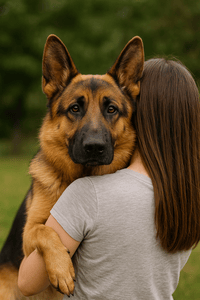
Before we dive into specific reasons for clinginess, it’s worth understanding that German Shepherds were literally bred to stick close to their handlers.
Originally developed as herding dogs in Germany during the late 1800s, GSDs were tasked with watching over flocks and responding instantly to their shepherd’s commands. That required focus, loyalty, and a strong desire to stay near their human partner.
Even though most German Shepherds today aren’t herding sheep, that instinct hasn’t disappeared. Your GSD’s need to be near you isn’t a flaw it’s hardwired into the breed. They’re working dogs who want a job, and for many of them, that job is you.
But there’s a difference between a loyal companion who enjoys your presence and a dog who can’t function without you. Let’s talk about what pushes a GSD from naturally affectionate into overly dependent territory.
7 Reasons Your German Shepherd Might Be Extra Clingy
1.Separation Anxiety
This is the big one. Separation anxiety isn’t just missing you it’s genuine distress when you’re not around. Dogs with separation anxiety may:
- Drool, pace, or pant excessively when you prepare to leave
- Destroy furniture, doors, or windows trying to follow you
- Bark or howl nonstop
- Have accidents in the house despite being housetrained
German Shepherds are prone to separation anxiety because of their deep bond with their owners. If your GSD was adopted, rehomed, or experienced a major life change (like moving or losing a family member), anxiety can intensify.
Hazel’s Tip:
I once fostered a GSD who would tear up the carpet near the front door every time I left. It wasn’t spite it was panic. Working with a trainer and gradually desensitizing him to my departures made all the difference.
2.Lack of Mental Stimulation
A bored German Shepherd is a clingy German Shepherd. These dogs are incredibly intelligent, and without enough mental exercise, they turn to you as their sole source of entertainment.
If your GSD isn’t getting puzzle toys, training sessions, scent work, or other brain-engaging activities, they’ll shadow you constantly just to feel like they’re doing something.
Think of it this way: if you had nothing to do all day except wait for your best friend to pay attention to you, you’d probably follow them around too.
3.Insufficient Physical Exercise
German Shepherds are athletes. They need daily exercise and I’m not talking about a ten-minute stroll around the block.
An under-exercised GSD has pent-up energy with nowhere to go. Clinginess can be a way of saying, “I’m restless, and I need you to fix this.” Without a proper outlet, that energy turns into anxious attachment.
Most adult GSDs need at least 60-90 minutes of activity per day more for working-line dogs. If your Shepherd isn’t getting that, clinginess is just one symptom. You might also see destructive chewing, hyperactivity, or obsessive behaviors.
4.They’re Not Feeling Well
Sometimes clinginess is a health red flag. Dogs who are in pain, nauseous, or generally unwell often seek comfort from their owners more than usual.
If your German Shepherd suddenly becomes clingy when they weren’t before, consider whether something physical might be going on:
- Joint pain or arthritis (common in GSDs)
- Digestive upset
- Ear infections
- Cognitive decline in older dogs
When my older GSD started following me more closely than usual, I initially thought she was just getting needier with age. Turns out, she had early hip dysplasia and felt safer staying near me. A vet visit and proper pain management helped her relax again.
5. Major Life Changes
Dogs thrive on routine. When their world shifts new home, new baby, new pet, schedule changes they can become clingy as a coping mechanism.
German Shepherds are especially sensitive to changes in their environment. Moving houses, a family member leaving for college, or even a change in your work schedule can trigger insecurity.
Your GSD isn’t being dramatic. They’re genuinely trying to make sense of what’s different and looking to you for reassurance that everything’s okay.
6. Reinforced Behavior (Yes, You Might Be Encouraging It)
Here’s a tough truth: sometimes we accidentally train our dogs to be clingy.
If your German Shepherd whines and you immediately give them attention, you’ve just taught them that whining works. If they follow you to the bathroom and you chat with them or pet them, you’ve reinforced that shadowing behavior.
I’m not saying ignore your dog entirely but be mindful of what behaviors you’re rewarding. If you consistently respond to clingy behavior with affection or interaction, you’re telling your GSD that clinginess gets results.
7. They Were Never Taught Independence
Some German Shepherds never learn that being alone is okay because they were never given the chance.
Puppies who are constantly held, never crated, and always have someone home can grow into adults who genuinely don’t know how to self-soothe. If your GSD has always had 24/7 access to you, independence might feel frightening simply because it’s unfamiliar.
Teaching a dog to be comfortable alone isn’t cruel it’s a life skill. Just like we teach kids to sleep in their own beds, dogs benefit from learning that alone time is safe and normal.
When Clinginess Becomes a Problem
Not all clinginess is bad. A German Shepherd who prefers your company and follows you around occasionally? That’s just a loyal dog being a loyal dog.
But clinginess becomes a problem when:
- Your dog can’t relax unless you’re in the same room
- They panic, destroy things, or self-harm when left alone
- You feel trapped or unable to leave your house
- Your GSD is aggressive toward other people or pets who approach you
- Their anxiety is affecting their quality of life (constant panting, pacing, whining)
If your dog’s attachment is causing distress for them or for you it’s time to take action.
How to Help an Overly Clingy German Shepherd

Start With a Vet Visit
Rule out medical issues first. Pain, illness, or cognitive decline can all cause sudden clinginess. Your vet can also prescribe anti-anxiety medication if needed sometimes that’s a necessary bridge while you work on behavior modification.
Increase Physical Exercise
A tired dog is a calm dog. Make sure your GSD is getting enough exercise every single day. This might mean:
- Two 30-45 minute walks
- Fetch sessions in the yard
- Running, hiking, or biking together
- Dog sports like agility or nosework
If you’re not sure whether your dog is getting enough exercise, ask yourself: are they calmly resting for most of the day, or are they restless and seeking attention constantly?
Add Mental Enrichment
Physical exercise alone isn’t enough for German Shepherds. Their brains need work too.
Try:
- Puzzle feeders and treat dispensing toys
- Hide and seek games with treats or toys
- Basic obedience training sessions (even 5-10 minutes daily helps)
- Teaching new tricks
- Scent work or nose games
A mentally tired GSD is far less likely to shadow you obsessively.
Teach Independence Gradually
You can’t force a clingy dog to suddenly be okay, alone it has to be a gradual process.
Start small:
- Practice short separations while you’re still home. Step into another room for 30 seconds, then return calmly.
- Gradually increase the time you’re out of sight.
- Reward calm, independent behavior like your dog resting on their bed while you’re in another room.
- Use a crate or designated “place” where your dog learns to relax on their own.
Hazel’s Tip:
I use a baby gate to create separation without full isolation. My GSD can see me but can’t follow me. Over time, she learned that being in a different space doesn’t mean I’ve abandoned her.
Stop Reinforcing Clingy Behavior
This one’s hard, but necessary. If your dog whines for attention, wait until they’re quiet before you respond. If they follow you everywhere, occasionally close a door and let them learn that you’ll come back.
You’re not being mean you’re teaching resilience.
Create a Safe, Comfortable Space
Give your GSD a cozy spot that’s theirs a crate, a dog bed, a corner of the living room. Make it appealing with a favorite blanket, a chew toy, and maybe a piece of your worn clothing (your scent is comforting).
Practice having your dog settle in that space while you’re home. Reward them for staying put, even if it’s just for a few minutes.
Consider Professional Help
If your German Shepherd’s clinginess is severe, especially if it involves destructive behavior, aggression, or self harm, work with a certified dog trainer or veterinary behaviorist.
Separation anxiety and extreme attachment can be complex issues. There’s no shame in getting expert guidance.
What NOT to Do
Don’t Punish Clingy Behavior
Yelling at your dog for following you or being anxious will only make things worse. Fear and anxiety aren’t fixed through punishment, they’re fixed through patience and positive reinforcement.
Don’t Make Departures a Big Deal
Long goodbyes (“I’ll miss you! Be a good boy! Mommy will be back soon!”) actually increase anxiety. Your dog picks up on your emotional energy and interprets it as, “Something scary is happening.”
Instead, leave calmly and matter of factly. No big farewell production.
Don’t Ignore Medical or Behavioral Red Flags
If your dog’s clinginess is sudden, extreme, or paired with other concerning symptoms, don’t wait. Get professional input.
When to See a Vet or Behaviorist
each out to a professional if:
- Your GSD’s clinginess appeared suddenly or worsened rapidly
- They’re destroying property or injuring themselves when alone
- You’ve tried gradual separation and it’s not improving
- Your dog shows signs of pain, illness, or cognitive issues
- You’re feeling overwhelmed or trapped by your dog’s behavior
There’s help available, and you don’t have to figure this out alone.

Final Thoughts
Clinginess in German Shepherds isn’t always a problem it’s often just a reflection of their deep loyalty and love. But when attachment becomes anxiety, it’s worth addressing for both your sake and theirs.
The good news? With patience, consistency, and the right approach, most clingy German Shepherds can learn to feel secure even when you’re not right beside them. It takes time, but it’s absolutely possible.
Your GSD doesn’t need to be glued to your side to know they’re loved. Teaching them independence is one of the kindest things you can do.