


By Hazel Sloane
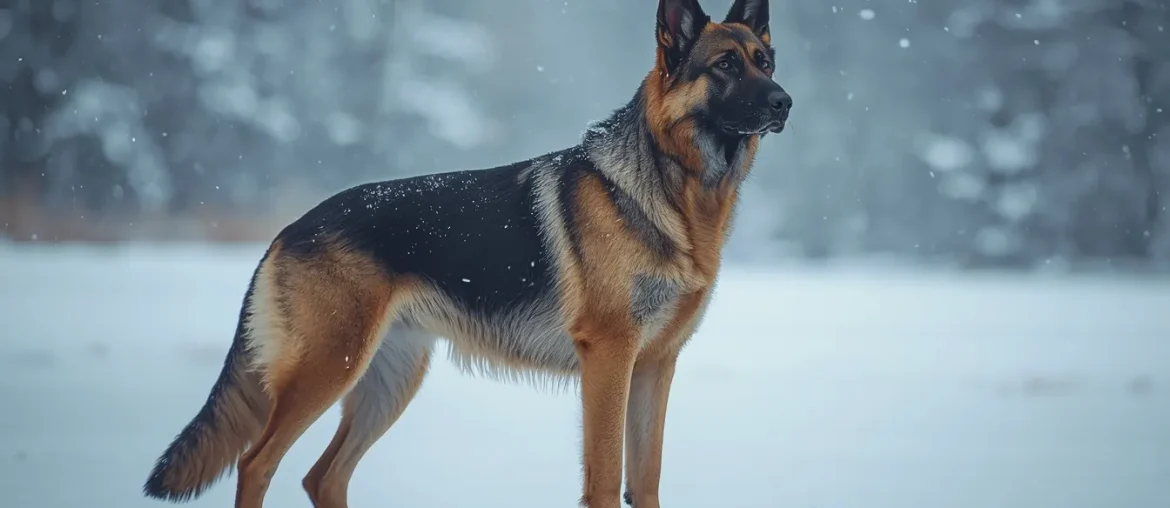
I’ve always believed that surviving winter with a German Shepherd isn’t about enduring the cold—it’s about outsmarting it.
Your GSD might look invincible trotting through snow like a wolf, but that thick double coat has limits. When temperatures plummet below freezing, the threats multiply: chemical road salts burning sensitive paw pads, hidden antifreeze puddles, hypothermia from wet fur, and frostbite on those expressive ears.
If you’ve watched your Shepherd shiver after a walk or frantically lick their paws raw, you know winter isn’t just another season—it’s a minefield. This guide reveals exactly how to protect your GSD from the hidden dangers in every snowbank and salted sidewalk.
The Double Coat Myth: Why Your GSD Can Still Freeze
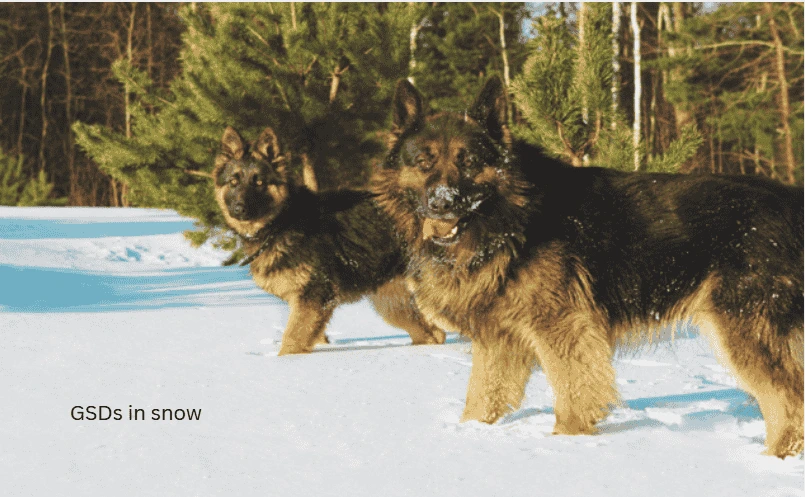
Let’s clear up a dangerous misconception: A German Shepherd’s double coat does NOT make them immune to the cold.
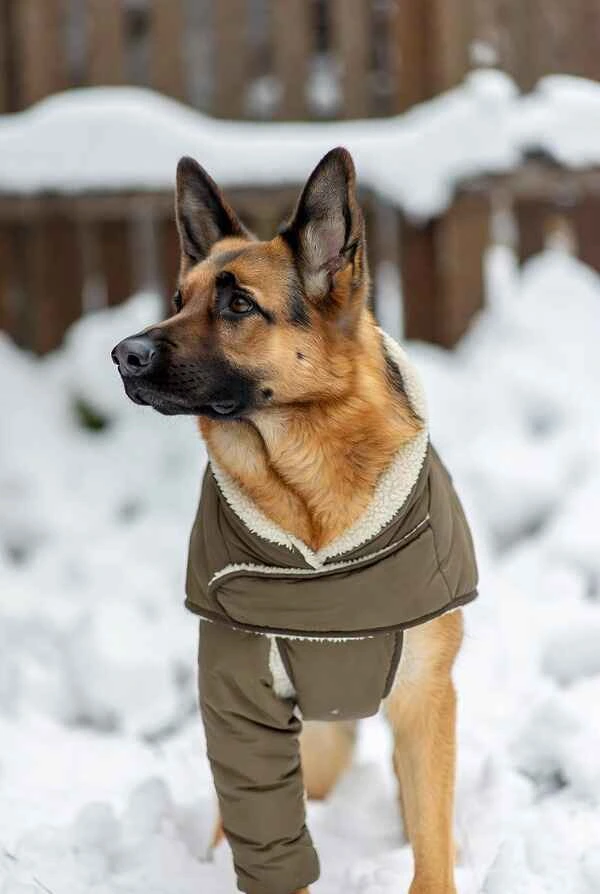
Yes, their guard hairs repel some moisture. Yes, that fluffy undercoat traps warm air close to the skin. But here’s what most owners don’t realize: once that undercoat gets soaked from melting snow or freezing rain, it loses its insulating power completely. Wet fur conducts heat away from the body much faster than dry fur, which means your GSD can go from “comfortable” to “hypothermic” frighteningly fast in extreme conditions.
My rule: If you’d shiver standing still in a light jacket, your Shepherd shouldn’t be stationary outside either. Walking generates body heat and keeps circulation strong. Standing around at the dog park in freezing temps? That’s when hypothermia creeps in.
Temperature Safety Guidelines
Know when to limit or modify outdoor time:
Above 45°F (7°C): Most GSDs are comfortable for extended periods
32-45°F (0-7°C): Monitor closely, limit stationary time to 15-20 minutes
20-32°F (-7 to 0°C): Protective gear recommended, shorter walks (20-30 minutes max)
Below 20°F (-7°C): Essential paw protection, brief potty breaks only (10-15 minutes)
Below 0°F (-18°C): Emergency measures, indoor exercise only
Always adjust based on your dog’s age, health, coat condition, and individual cold tolerance. Senior dogs, puppies, and GSDs with health issues need extra protection.
Recognize the Warning Signs
Get inside immediately if you notice:
- Shivering that won’t stop
- Lethargy, reluctance to move, or weakness
- Whining or anxious behavior
- Pale or blue-tinged gums
- Ears or tail tip feel unusually cold or hard to touch
- Stumbling, lack of coordination, or decreased responsiveness
How to Properly Dry a Double Coat After Winter Walks
This is where most owners fail. You can’t just towel-dry a GSD and call it done—the moisture stays trapped in that dense undercoat, creating the perfect conditions for hypothermia or hot spots (yes, even in winter).
Here’s the right way to dry them
Start with a high-absorbency microfiber towel and blot (don’t rub) the top coat to remove surface water. Then and this is critical use a high-velocity dryer (not a regular blow dryer). These professional-grade dryers literally blast water out of the undercoat instead of just moving it around. Professional brands like Flying Pig or K-9 III cost $60-150 but will last years a worthwhile investment for any GSD owner in cold climates.
Work in sections, starting at the neck and moving toward the tail. Hold the nozzle 6 inches from the skin and move constantly to avoid overheating one spot. Pay special attention to the chest, belly, and armpits—these areas stay wet longest and are most vulnerable to chill.
The whole process takes 15-20 minutes, but it’s the difference between a warm dog and a dog who’ll be shivering on the couch for the next hour. If you don’t have a high-velocity dryer, at least keep your GSD moving and warm indoors until their undercoat air-dries completely.
Hazel’s Tip: I keep a dedicated “drying station” by my back door with the dryer plugged in and ready. The faster you can start the drying process after coming inside, the better.
Don’t Shave That Double Coat
One more critical point: never shave or drastically trim your GSD’s coat in winter, thinking it will help them stay cleaner or dry faster. That double coat is their natural insulation system. Shaving it removes their protection against both cold and overheating (yes, that undercoat regulates temperature both ways). Regular brushing to prevent matting is essential—matted fur loses its insulating properties and traps moisture against the skin.
Road Salt and De-icers: The Silent Paw Killer
Once you’ve got your post-walk drying routine down, there’s another winter threat that requires equal attention.
In most Western countries, city sidewalks aren’t just slippery—they’re toxic. City crews spread tons of rock salt (sodium chloride), calcium chloride, and magnesium chloride across sidewalks and roads. Your GSD walks through this chemical cocktail on every winter outing, and the consequences are brutal:
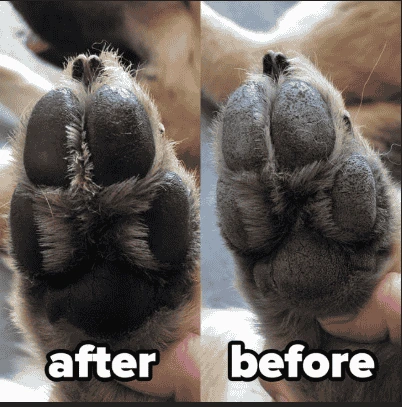
Chemical Burns: The skin between your dog’s paw pads is thin and sensitive. Salt crystals act like tiny shards of glass, creating micro-abrasions that sting and crack. Left untreated, these turn into painful, infected wounds.
Toxicity: Here’s what many owners miss—dogs instinctively lick their paws after walks. When they ingest road salt or certain de-icers, it can cause excessive thirst, vomiting, diarrhea, lethargy, or in severe cases, sodium poisoning. Some products also contain additives or may be mixed with antifreeze residue from vehicles, adding another layer of danger.
The Solution That Actually Works
Prevention beats treatment every time. Before heading out, apply a protective barrier:
Musher’s Secret (my go-to): This 100% natural wax was originally developed for sled dogs in the Iditarod. It creates a breathable barrier that doesn’t crack in extreme cold. Apply it 2-3 minutes before the walk so it absorbs slightly into the paw pads.
High-Quality Booties: Brands like Ruffwear Grip Trex (with Vibram soles for actual ice traction) or Ultra Paws Durable actually stay secured with dual closures, unlike cheap knock-offs that fly off after 30 seconds. Yes, expect that hilarious high-stepping walk for 2-3 days while they adjust. They will.
After Every Walk (Non-Negotiable):
- Wipe paws thoroughly with a warm, damp cloth to remove salt residue
- Check between the toes for trapped ice balls or salt crystals
- Dry completely, especially between pads
- Reapply a thin layer of paw balm to heal any irritation
If you notice persistent licking, redness, cracking, or limping, check for chemical burns and rinse the paws with lukewarm water immediately. Severe burns or swelling require a vet visit.
Winter Exercise: Mental Stimulation Over Physical Burn
Protecting your GSD’s paws is only half the battle. When harsh weather shortens outdoor time, you face a different challenge: a bored, under-stimulated working dog.
When the blizzard hits and you can’t go for your usual 5-mile run, you’ve got a problem. A bored German Shepherd is a destructive German Shepherd.
GSDs were bred to work 12-hour days herding sheep in the Bavarian Alps. Their brains need jobs. In winter, when outdoor exercise gets cut short, you have to compensate with mental stimulation—which, fortunately, is even more exhausting than physical exercise.
Indoor “Nose Work”: Engaging the Tracking Brain
Your Shepherd’s nose has 225 million scent receptors (you have 5 million). Use them.
The Basic Game: Hide high-value treats around your house while your dog waits in another room. Start easy under a couch cushion, behind a door. Release them with a “Find it!” command and let them hunt. Gradually increase difficulty by hiding treats inside boxes, under rugs, or on higher furniture they need to problem-solve to reach.
A 15-minute nose work session will tire your GSD more than a 30-minute walk. Why? Because you’re forcing them to use their brain, make decisions, and problem-solve exactly what their genetics are screaming for them to do.
Indoor Games That Actually Work for High-Energy GSDs

Hide and Seek: Have a family member hold your dog in one room while you hide somewhere in the house. Call their name once. Make them track you down using sound and scent. Reward with praise and play when they find you. This taps into their natural tracking and protection instincts.
Tug-of-War with Rules: Contrary to old-school training myths, tug doesn’t make dogs aggressive it makes them tired. Use a rope toy and establish clear “take it” and “drop it” commands. Let them win sometimes (it builds confidence). A good 10-minute tug session engages their prey drive and burns serious energy.
Puzzle Toys: Invest in interactive feeders like the Nina Ottosson puzzle series or a simple Kong Wobbler. Instead of giving meals in a bowl, make them work for every piece of kibble. This slows eating, prevents bloat, and turns mealtime into a 20-minute mental workout.
Stair Work (If Approved by Your Vet): If your GSD is over 18 months old and has healthy hips, controlled stair exercises can provide physical burn indoors. Teach them to slowly walk up and down on command never running or jumping, which stresses joints. Always get vet clearance first, especially if your dog has any history of hip or joint issues.
Hazel’s Pick: On brutal cold days, I combine all three nose work for 15 minutes, tug for 10, then a puzzle feeder for dinner. Total time investment? 45 minutes. Result? A calm, satisfied dog who’s not chewing my baseboards at midnight.
Essential Winter Gear Checklist
Make sure you have:
- □ Paw protection (wax or booties)
- □ High-velocity dryer or quality microfiber towels
- □ Reflective collar/leash for dark winter walks
- □ Indoor puzzle toys and interactive feeders
- □ Warm, dry bedding away from drafts
- □ Paw balm for healing cracked pads
Winter Emergency Kit
Keep these in your car during winter outings:
- Extra blankets
- Spare towels for emergency drying
- Thermos of warm (not hot) water for rinsing paws
- Emergency contact info for 24-hour veterinary clinic
- Flashlight with fresh batteries
Final Thoughts
Winter with a German Shepherd doesn’t have to be a season of worry. With the right preparation protective paw care, proper drying techniques, and creative indoor enrichment your GSD can thrive even when the temperature drops. The key is staying one step ahead of the cold, because your Shepherd is counting on you to keep them safe, warm, and mentally satisfied until spring arrives.
Remember: A well-prepared winter routine isn’t just about survival it’s about helping your GSD genuinely enjoy the season while staying healthy and happy. Your dog may look like a wolf, but they’re relying on you to be smarter than the weather. Don’t let them down.
You can see other articles –
Best Toys for German Shepherds: Indestructible Picks for Power Chewers