

By Hazel Sloane
Wondering if your German Shepherd can have bananas? The answer is yes, but there’s a right way and a wrong way to share them. Plus, discover 15 other safe fruits and veggies your GSD can enjoy.
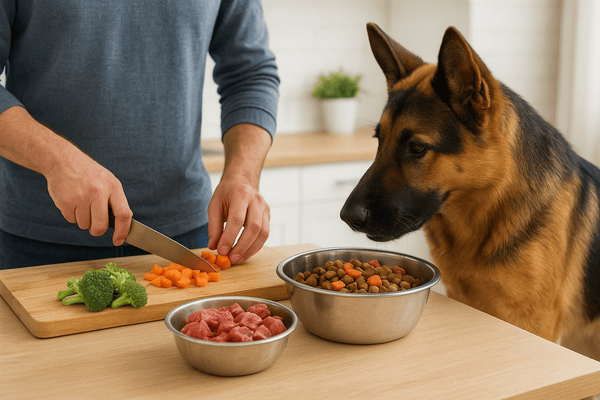
You’re peeling a banana in the kitchen, and suddenly your German Shepherd is at your feet, tail wagging, eyes locked on that yellow fruit like it’s the most fascinating thing they’ve ever seen.
Can you share a piece? Is it safe? Will it upset their stomach?
The short answer: Yes, German Shepherds can absolutely eat bananas. They’re not toxic, and in moderation, they can even be a healthy treat. But like most human foods, there are some guidelines you should follow to keep your GSD safe and healthy.
Let’s break down everything you need to know about feeding bananas to your German Shepherd—plus a bunch of other fruits and vegetables that make excellent, nutritious snacks.
Can German Shepherds Eat Bananas? The Quick Answer
Yes, bananas are safe for German Shepherds. They’re non-toxic, easy to digest, and packed with nutrients that can benefit your dog’s health.
Bananas contain:
- Potassium (supports heart and muscle function)
- Vitamin C (boosts immune health)
- Vitamin B6 (helps with brain development and function)
- Fiber (aids digestion)
- Natural sugars (quick energy boost)
That said, bananas are also relatively high in sugar, which means they should be given as an occasional treat—not a daily staple. Too much banana can lead to weight gain, digestive upset, or blood sugar spikes, especially in less active dogs.
Hazel’s Tip:
I give my German Shepherds banana slices as high-value training treats or frozen banana chunks on hot summer days. They love them, and I love that I’m giving them something natural instead of processed snacks.
Health Benefits of Bananas for German Shepherds
When given in moderation, bananas can be a genuinely healthy addition to your GSD’s diet. Here’s what they bring to the table:
1. Natural Energy Boost
The natural sugars in bananas (fructose, glucose, and sucrose) provide quick energy. This makes bananas a great pre-walk or post-exercise snack for active German Shepherds.
2. Supports Digestive Health
Bananas are high in fiber, which can help regulate your dog’s digestive system. If your GSD occasionally has loose stools, a small amount of banana can help firm things up. On the flip side, too much fiber can cause constipation, so balance is key.
3. Heart and Muscle Function
Potassium is essential for heart health and proper muscle function. German Shepherds are active, muscular dogs, and potassium helps keep everything running smoothly.
4. Immune System Support
Vitamin C acts as an antioxidant, supporting your dog’s immune system and helping their body fight off illness and inflammation.
5. Low in Sodium and Cholesterol
Unlike many processed dog treats, bananas are naturally low in sodium and cholesterol, making them a heart-healthy option.
How to Safely Feed Bananas to Your German Shepherd
Just because bananas are safe doesn’t mean you should toss your GSD a whole one and call it a day. Here’s how to do it right:
Portion Size Matters
For an adult German Shepherd, a few slices of banana (about 1-2 inches of a medium banana) is plenty for one serving. Treats—including healthy ones like fruit—should make up no more than 10% of your dog’s daily calorie intake.
Sizing guide:
- Puppies: 1-2 small slices
- Adult GSDs: 3-5 slices
- Senior dogs: 2-3 slices (especially if they’re less active)
Remove the Peel
Banana peels aren’t toxic, but they’re tough to digest and can cause blockages or stomach upset. Always peel the banana before offering it to your dog.
Serve Fresh or Frozen
Bananas can be served fresh, mashed, or frozen. Frozen banana slices make an excellent cooling treat on hot days, and many dogs love the texture.
Avoid Added Ingredients
Never give your German Shepherd banana bread, banana chips, or anything with added sugar, chocolate, or artificial sweeteners (especially xylitol, which is highly toxic to dogs). Plain, fresh banana only.
Introduce Slowly
If your GSD has never had banana before, start with a small piece and watch for any signs of digestive upset (diarrhea, vomiting, excessive gas). Most dogs tolerate bananas well, but it’s always smart to introduce new foods gradually.

When Bananas Are NOT a Good Idea
While bananas are generally safe, there are a few situations where you should skip them:
1. Your Dog Is Diabetic
Bananas are high in natural sugars, which can cause blood sugar spikes. If your German Shepherd has diabetes, consult your vet before offering fruit.
2. Your Dog Is Overweight
The sugar and calorie content in bananas can contribute to weight gain if given too frequently. If your GSD is already carrying extra pounds, opt for lower-calorie treats like green beans or cucumber.
3. Your Dog Has Kidney Issues
Bananas are high in potassium, which can be problematic for dogs with kidney disease. Always check with your vet if your dog has any chronic health conditions.
4. They’ve Already Had Too Many Treats
Remember the 10% rule. If your dog has already had training treats, table scraps, or other snacks that day, skip the banana to avoid overfeeding.
15 Safe Fruits & Vegetables for German Shepherds
Bananas aren’t the only human food your GSD can enjoy. Here are 15 other fruits and veggies that are safe, healthy, and often beloved by German Shepherds:

Fruits
1. Apples (without seeds or core)
Crunchy, hydrating, and full of fiber and vitamin C. Remove the core and seeds, as apple seeds contain small amounts of cyanide.
2. Blueberries
Packed with antioxidants and low in calories. These little berries are a perfect training treat.
3. Strawberries
High in fiber and vitamin C. Serve fresh and in moderation due to sugar content.
4. Watermelon (seedless, no rind)
Super hydrating and low in calories. Great for hot days. Remove all seeds and the rind.
5. Cantaloupe
High in vitamins A and C. Feed in small amounts due to sugar content.
6. Pineapple (fresh only)
Contains bromelain, an enzyme that may help with digestion. Remove the tough core and skin. Skip canned pineapple due to added sugar.
7. Mango (no pit or skin)
Rich in vitamins A, B6, C, and E. The pit is a choking hazard, so always remove it.
8. Pears (no seeds or core)
High in fiber and vitamin C. Remove seeds and core just like with apples.
Vegetables
9. Carrots
Crunchy, low-calorie, and great for dental health. Serve raw or cooked. My GSDs go crazy for frozen carrot sticks as a teething snack.
10. Green Beans
Low in calories and high in fiber. Plain, cooked, or raw green beans are excellent for weight management.
11. Sweet Potatoes (cooked, no seasoning)
Packed with fiber, vitamins A and C, and easy to digest. Never serve raw, as they can be hard on a dog’s stomach.
12. Cucumbers
Extremely low in calories and very hydrating. Perfect for overweight dogs or hot summer days.
13. Broccoli (in small amounts)
High in fiber and vitamin C, but too much can cause gas. Serve in moderation—no more than 10% of your dog’s diet.
14. Pumpkin (plain, canned or cooked)
Excellent for digestive health. Pure pumpkin (not pie filling) can help with both diarrhea and constipation.
15. Zucchini
Low-calorie, mild-flavored, and easy to digest. Serve raw or cooked without seasoning.
Hazel’s Tip:
I keep a bag of frozen blueberries and carrot sticks in the freezer at all times. They’re my go-to training rewards, and my GSDs think they’re getting something special every single time.

10 Toxic Foods to NEVER Feed Your German Shepherd
Just as important as knowing what’s safe is knowing what’s dangerous. Here are the most common toxic foods for dogs:
- Grapes and Raisins — Can cause sudden kidney failure, even in small amounts.
- Chocolate — Contains theobromine, which is toxic to dogs. Dark chocolate is the most dangerous.
- Onions and Garlic — Damages red blood cells and can cause anemia.
- Avocado — Contains persin, which can cause vomiting and diarrhea.
- Xylitol (artificial sweetener) — Found in sugar-free gum, candy, and peanut butter. Causes rapid insulin release and can be fatal.
- Macadamia Nuts — Can cause weakness, vomiting, tremors, and hyperthermia.
- Alcohol — Even small amounts can cause serious poisoning.
- Coffee and Caffeine — Contains stimulants that are dangerous for dogs.
- Raw Dough — Expands in the stomach and produces alcohol as it ferments.
- Cooked Bones — Splinter easily and can cause choking or internal damage.
If your German Shepherd eats any of these foods, contact your vet or the Pet Poison Helpline immediately.
Hazel’s Favorite Fruit Treats for GSDs
Over the years, I’ve learned which fruits my German Shepherds go absolutely wild for. Here are my top picks:
1. Frozen Blueberry Training Treats
I freeze fresh blueberries and use them as high-value rewards during training sessions. They’re small, low-calorie, and my dogs work just as hard for them as they would for processed treats.
2. Banana and Pumpkin “Pupsicles”
Blend banana and plain pumpkin with a little water, pour into ice cube trays, and freeze. Perfect for hot days or post-walk cool-downs.
3. Apple Slices with Peanut Butter (xylitol-free!)
Slice an apple, remove the core and seeds, and spread a thin layer of xylitol-free peanut butter on top. My GSDs lose their minds over this combo.
4. Watermelon Chunks
Simple, refreshing, and naturally hydrating. I cut watermelon into bite-sized chunks and serve them cold from the fridge.
How to Introduce New Foods Safely
Whenever you’re offering your German Shepherd a new fruit or vegetable, follow these steps to avoid any stomach upset:
1. Start Small
Offer just a tiny piece literally one small bite. Wait 24 hours to see how your dog’s body reacts.
2. Watch for Symptoms
Keep an eye out for:
- Vomiting
- Diarrhea
- Excessive gas
- Lethargy
- Loss of appetite
If any of these occur, stop feeding that food and consult your vet if symptoms persist.
3. Gradually Increase
If your dog tolerates the food well, you can slowly increase the portion size over the next few days.
4. Keep a Food Journal
If your GSD has a sensitive stomach, keep a simple log of what you’ve fed them and how they responded. It’ll help you identify patterns and avoid problem foods.
Can Puppies Have Bananas?
Yes, German Shepherd puppies can have bananas, but in even smaller portions than adults. Start with one or two thin slices and watch how they handle it.
Puppies have sensitive digestive systems, and too much fruit can cause diarrhea. It’s better to use bananas as an occasional treat rather than a regular snack.

Final Thoughts
Bananas are a safe, nutritious, and delicious treat for German Shepherds when given in moderation. They’re packed with vitamins, easy to serve, and most dogs genuinely enjoy them.
But remember: treats should always be just that—treats. Your GSD’s main diet should come from high-quality, balanced dog food that meets their nutritional needs. Fruits and vegetables are fun additions, not replacements.
If you’re ever unsure whether a food is safe, check with your vet first. And when in doubt, skip it. There are plenty of dog-safe options out there to keep your German Shepherd happy, healthy, and well-fed.
Now go ahead share that banana slice. Your GSD will thank you.
Trusted Resources
- AKC — Fruits and Vegetables Dogs Can and Can’t Eat
- Pet Poison Helpline — Toxic Foods
- VCA Animal Hospitals — People Foods to Avoid Feeding Your Pets