

By Hazel Sloane
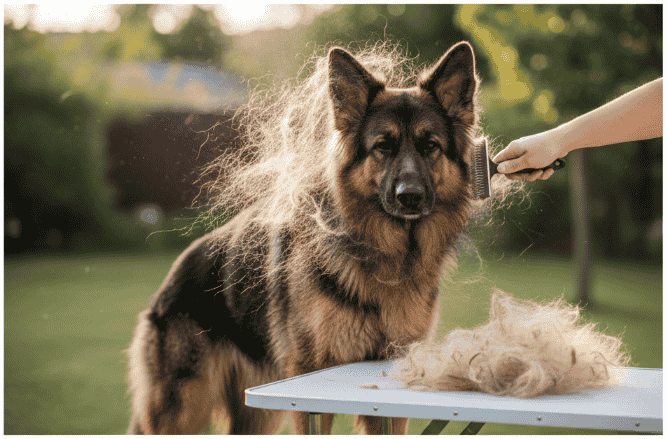
German Shepherds shed a lot. Here’s everything you need to know about managing GSD shedding, from the best tools to daily routines that actually work.
If you own a German Shepherd, you’ve made peace with one undeniable truth: fur is now a permanent part of your life.
It’s on your clothes, your furniture, your car seats, and somehow—inexplicably—inside your kitchen cabinets. You’ve probably vacuumed three times this week and still found tumbleweeds of fur rolling across your floor like tiny, fluffy ghosts.
German Shepherds are incredible dogs, but they are professional shedders. It’s not a flaw—it’s just part of the package. The good news? With the right tools, routines, and expectations, you can manage the shedding without losing your mind.
Let me walk you through everything I’ve learned over the years about keeping German Shepherd shedding under control.
Why German Shepherds Shed So Much
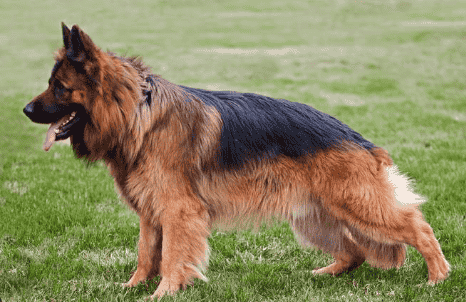
German Shepherds have a double coat, which means they have two layers of fur working together:
1. The Outer Coat (Guard Hairs)
This is the longer, coarser layer you see on the surface. It’s designed to protect your dog from dirt, moisture, and UV rays. Guard hairs are relatively weather-resistant and give your GSD that classic, sleek look.
2. The Undercoat (Soft, Dense Fur)
Beneath the guard hairs is a thick, fluffy undercoat that provides insulation. In winter, this layer keeps your dog warm. In summer, it helps regulate body temperature by trapping cool air close to the skin.
The undercoat is where most of the shedding chaos comes from. As seasons change, your German Shepherd’s body adjusts the density of this layer — and that means a lot of loose fur needs to go somewhere.
Unlike single-coated breeds (think Poodles or Greyhounds), German Shepherds shed year-round. But twice a year, during spring and fall, they go through a major shedding event called “blowing their coat,” and that’s when things get really intense.
Hazel’s Reality Check:
I’ve had German Shepherds my entire adult life, and I’ve learned to embrace the fur. It’s not going away. But with a solid routine, you can keep it manageable instead of overwhelming.
Shedding Seasons: What to Expect
German Shepherds shed consistently throughout the year, but their shedding intensifies dramatically twice a year.
Spring Shedding (March–May)
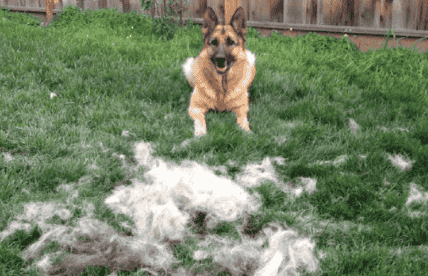
In spring, your GSD sheds their thick winter undercoat to prepare for warmer weather. This is often the heaviest shedding season. You’ll notice massive clumps of soft, fluffy fur coming out in your hands when you brush them.
During this time, daily brushing isn’t optional—it’s survival.
Fall Shedding (September–November)
In fall, your German Shepherd sheds their lighter summer coat and grows in a thicker undercoat for winter. This shedding event is usually less dramatic than spring, but it’s still significant.
Year-Round Shedding
Even outside of blowout seasons, German Shepherds shed daily. You’ll find fur on your clothes, furniture, and floors no matter what time of year it is. That’s just life with a double-coated breed.
Is My German Shepherd Shedding Too Much?
Shedding is normal, but excessive shedding can sometimes signal a health issue. Here’s how to tell the difference:
Normal Shedding Looks Like:
- Consistent, moderate shedding year-round
- Heavier shedding in spring and fall
- Fur comes out easily when you brush
- Your dog’s coat still looks full and healthy
- No bald patches or thinning areas
Excessive or Abnormal Shedding Looks Like:
- Sudden, dramatic increase in shedding outside of seasonal changes
- Bald spots or patchy fur loss
- Red, irritated, or flaky skin underneath
- Your dog is constantly scratching or biting at their coat
- Dull, dry, or brittle fur texture
If your German Shepherd’s shedding seems abnormal, it could be caused by:
- Poor nutrition (low-quality food lacking essential fatty acids)
- Allergies (food allergies or environmental triggers)
- Skin infections (bacterial or fungal)
- Parasites (fleas, mites, or ticks)
- Stress or anxiety
- Hormonal imbalances (thyroid issues, Cushing’s disease)
When in doubt, check with your vet. Sudden changes in shedding patterns are worth investigating.
The Best Deshedding Tools for German Shepherds
Not all brushes are created equal. Here’s what actually works for managing GSD shedding:
1. Undercoat Rake
This is your number one weapon against shedding. An undercoat rake has long, spaced-out teeth designed to reach through the guard hairs and pull out loose undercoat without damaging the topcoat.
When to use it: Daily during shedding season, 2-3 times per week otherwise.
Hazel’s Pick:
I swear by a good undercoat rake during spring blowouts. You’ll be shocked at how much fur comes out in a single session.
2. Slicker Brush
A slicker brush has fine, short wires close together. It’s great for removing loose fur from the surface and keeping the coat smooth and tangle-free.
When to use it: After using the undercoat rake, or for quick daily touch-ups.
3. Deshedding Tool (Like a FURminator)
Deshedding tools have a fine-toothed blade that grabs and removes loose undercoat. They’re incredibly effective but should be used carefully—over-brushing can irritate your dog’s skin.
When to use it: Once or twice a week during heavy shedding seasons. Avoid using it more than necessary.
Hazel’s Tip:
Don’t press too hard with a deshedding tool. Let the tool do the work. If you’re applying pressure, you’re doing it wrong.

4. Pin Brush
A pin brush has rounded tips and is gentler than a slicker brush. It’s good for general grooming and distributing natural oils through the coat.
When to use it: For everyday brushing or for dogs with sensitive skin.
5. Grooming Glove
A rubber grooming glove lets you “pet” your dog while removing loose fur. It’s less effective than dedicated tools but great for dogs who don’t love being brushed.
When to use it: As a supplementary tool or for quick touch-ups.
Daily Brushing Routine That Actually Works
Here’s the routine I follow with my German Shepherds, and it’s kept the fur situation under control for years:
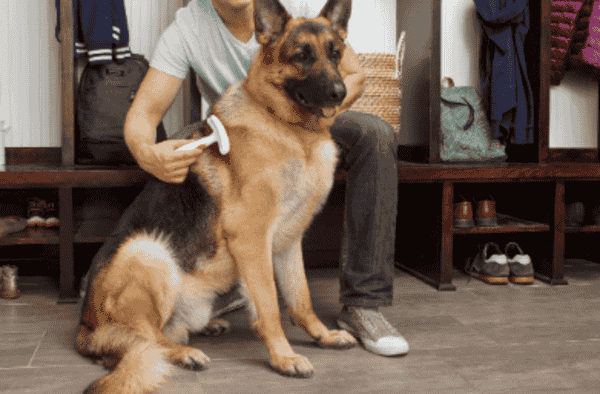
During Shedding Season (Spring & Fall):
Daily Routine (10-15 minutes):
- Start with the undercoat rake — Work in sections, brushing in the direction of fur growth. Focus on areas where the undercoat is thickest: the back, sides, chest, and haunches.
- Follow up with a slicker brush — Smooth out the topcoat and catch any remaining loose fur.
- Check for mats or tangles — Pay special attention to behind the ears, under the legs, and around the tail.
- Reward your dog — Make brushing a positive experience with treats or praise.
During Normal Shedding (Rest of the Year):
2-3 Times Per Week (5-10 minutes):
- Use the undercoat rake or slicker brush to remove loose fur.
- Keep sessions short and positive.
- Watch for any skin irritation or unusual shedding patterns.
Hazel’s Secret:
I brush my GSDs outside whenever possible. It keeps the fur tumbleweeds from invading my house, and the dogs seem to enjoy being outdoors during grooming time.
Diet & Supplements That Reduce Shedding
You can’t stop a German Shepherd from shedding, but you can improve the health of their coat—and healthy coats shed less excessively.

1. High-Quality Dog Food
Your dog’s diet has a massive impact on coat health. Look for food that:
- Lists real meat as the first ingredient
- Contains omega-3 and omega-6 fatty acids
- Avoids fillers like corn, wheat, and soy
- Includes vitamins A and E for skin and coat health
If your GSD’s coat looks dull, dry, or brittle, diet is often the culprit.
2. Omega-3 Fatty Acid Supplements (Fish Oil)
Omega-3s support skin health, reduce inflammation, and promote a shiny, healthy coat. Many German Shepherds benefit from a daily fish oil supplement, especially if their food doesn’t already include it.
Dosage: Follow the product instructions based on your dog’s weight, or consult your vet.
3. Coconut Oil
A small amount of coconut oil (about 1 teaspoon per 10 pounds of body weight) can support coat health when added to food. It also has antibacterial and anti-inflammatory properties.
Hazel’s Tip:
I add a teaspoon of fish oil to my dogs’ meals a few times a week. I’ve noticed their coats are shinier and softer, and shedding seems slightly less intense during blowout season.
4. Stay Hydrated
Dehydration can lead to dry skin and increased shedding. Make sure your German Shepherd always has access to fresh water.
Bathing Schedule for Shed Control
Bathing your German Shepherd can help loosen and remove dead undercoat, but you have to be careful not to overdo it.
How Often Should You Bathe a GSD?
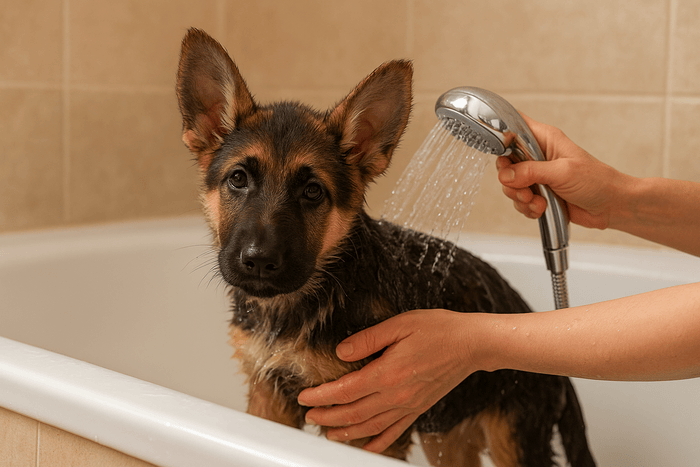
Every 6-8 weeks is ideal for most German Shepherds. Bathing too frequently strips natural oils from the skin and coat, which can actually increase shedding and cause dryness.
Best Bathing Practices for Shedding:
- Brush before bathing — Remove as much loose fur as possible first. Wet fur mats easily, and you don’t want to trap dead undercoat against the skin.
- Use a deshedding shampoo — Look for shampoos formulated to loosen undercoat and promote healthy skin.
- Rinse thoroughly — Leftover shampoo can irritate skin and cause itching, leading to more shedding.
- Blow-dry (if possible) — A high-velocity dog dryer can blow out tons of loose undercoat. If you don’t have one, towel-dry thoroughly and brush again once your dog is fully dry.
Hazel’s Bathing Tip:
I bathe my GSDs outdoors in warm weather. It’s easier to manage the fur, and they love being outside. In winter, I use a walk-in shower with a handheld sprayer.
Managing GSD Fur in Your Home
Even with perfect grooming, you’ll still have fur in your house. Here’s how to keep it manageable:
1. Invest in a Good Vacuum
A vacuum designed for pet hair is worth every penny. Look for one with strong suction, a HEPA filter, and attachments for furniture and stairs.
2. Lint Rollers and Pet Hair Removers
Keep lint rollers in every room, your car, and your bag. Rubber pet hair removal brushes are also great for furniture and car seats.
3. Washable Furniture Covers
Protect your couch and chairs with washable, pet-friendly covers. It’s easier to throw a cover in the wash than to deep-clean a couch every week.
4. Regular Laundry Routine
Wash your dog’s bedding, blankets, and any fabric they come in contact with regularly. Add a cup of white vinegar to the rinse cycle to help remove pet hair.
5. Air Purifiers
A HEPA air purifier can help capture airborne fur and dander, which is especially helpful if you or anyone in your household has allergies.
Hazel’s Reality Check:
I’ve accepted that no matter how much I clean, there will always be some fur. I’ve made peace with it. My advice? Wear clothes that match your dog’s coat color. It’s genius.
When Excessive Shedding Signals a Health Problem
If your German Shepherd’s shedding suddenly increases or you notice any of the following, see your vet:
- Bald patches or uneven hair loss
- Red, inflamed, or scaly skin
- Constant scratching, licking, or biting at the coat
- A strong odor coming from the skin or coat
- Lethargy or behavior changes alongside shedding
These could be signs of:
- Allergies (food or environmental)
- Skin infections (bacterial or fungal)
- Parasites (fleas, mites)
- Hormonal imbalances (hypothyroidism, Cushing’s disease)
- Nutritional deficiencies
Shedding alone isn’t usually a health concern, but when paired with other symptoms, it’s worth investigating.
Hazel’s Complete Weekly Shedding Management Routine
Here’s exactly what I do to keep German Shepherd shedding under control:
During Shedding Season:
- Daily: 10-15 minutes of brushing with undercoat rake and slicker brush
- Weekly: Check for mats, tangles, and skin irritation
- Every 6-8 weeks: Bath with deshedding shampoo
- Ongoing: Vacuum floors and furniture 3-4 times per week, wash dog bedding weekly
During Normal Months:
- 2-3 times per week: Brushing session with undercoat rake or slicker brush
- Every 6-8 weeks: Bath
- Ongoing: Vacuum 2-3 times per week, wash bedding every other week
Year-Round:
- Feed high-quality food with omega fatty acids
- Add fish oil supplement a few times per week
- Keep lint rollers everywhere
- Accept that fur is just part of life now
Final Thoughts
German Shepherd shedding is inevitable. You can’t stop it, and honestly, you shouldn’t try. That double coat is doing exactly what it’s designed to do—protecting your dog and regulating their body temperature.
But with the right tools, a consistent grooming routine, and realistic expectations, you can absolutely keep shedding manageable. It doesn’t have to take over your life.
Brush regularly, feed well, and remember: every strand of fur is a reminder of the incredible dog you share your life with. It’s a small price to pay for a German Shepherd’s loyalty, intelligence, and love.
Now go grab that undercoat rake. Your vacuum cleaner will thank you.
Trusted Resources
- AKC — German Shepherd Grooming Guide
- VCA Animal Hospitals — Shedding in Dogs
- American German Shepherd Dog Club — Breed Information