
Tag

GSD

Browsing
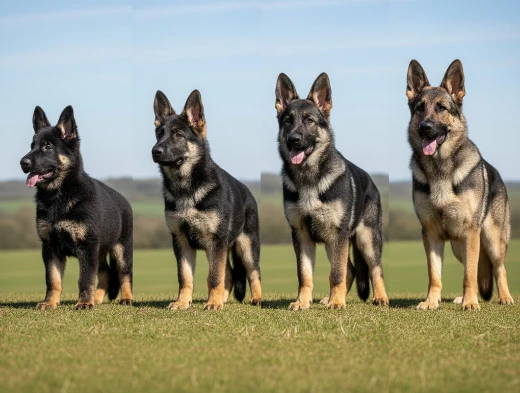
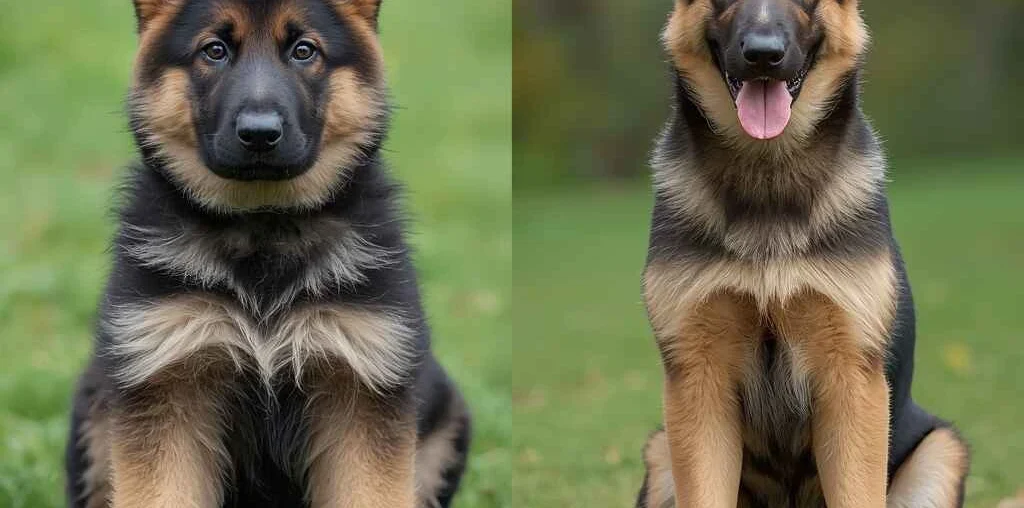
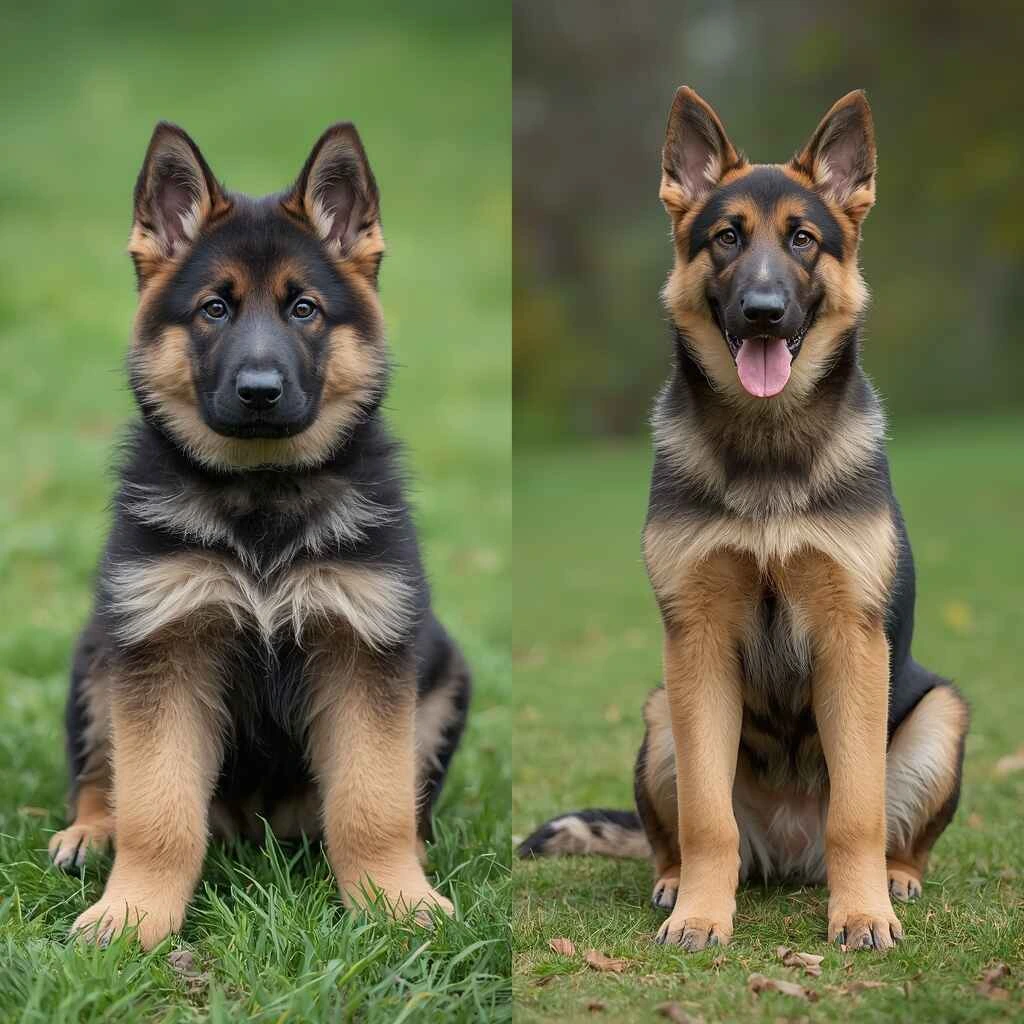
Side-by-side_comparison_showing_GSD_puppy_transformation

By Hazel Sloane

The first year with a German Shepherd puppy will test everything you think you know about dogs.

I’m not here to tell you it’s all adorable puppy breath and Instagram moments. The reality? Your GSD will go from a clumsy 10-pound furball to a 70-pound adolescent tornado in just 12 months. They’ll chew through your favorite shoes, outsmart your “puppy-proof” barriers, and develop a selective hearing problem right around month six.

But here’s what most guides won’t tell you: if you know what’s coming each month and prepare accordingly, you’ll not only survive—you’ll raise a confident, well-adjusted German Shepherd who becomes your most loyal companion.

This is your month-by-month roadmap through the chaos, the milestones, and the moments that make it all worth it.

Month 1 (8-12 Weeks): The Foundation Phase

german-shepherd-puppy-crate-training

What’s Happening

Your puppy just left their littermates and everything familiar. Their brain is a sponge right now, soaking up experiences that will shape their entire life. This is simultaneously the easiest and most critical month you’ll have.

Physical Development: Weight ranges from 10-20 pounds depending on gender and genetics. Those oversized paws? They’re not lying—your puppy will grow into them fast.

Sleep Pattern: 18-20 hours per day. If your puppy isn’t sleeping this much, something’s wrong.

Your Primary Jobs This Month

Crate Training (Non-Negotiable): Your crate should be just large enough for them to stand, turn, and lie down—no bigger. Use a divider if you bought an adult-sized crate. Feed all meals inside with the door open for the first few days, then gradually close it for short periods while you’re nearby.

The goal isn’t punishment—it’s creating a den where they feel safe. By week 12, your puppy should voluntarily nap in their crate with the door open.

Potty Training Reality Check: At 8 weeks, your puppy can hold their bladder for approximately 2 hours maximum. Take them out immediately after: waking up, eating, playing, and every 1-2 hours in between. Use the same door, same spot, same command (“go potty”), and reward within 2 seconds of them finishing.

Accidents will happen. Clean them with an enzymatic cleaner (Nature’s Miracle works) and move on. Punishment creates fear, not understanding.

Socialization Window (The 12-Week Deadline): This is your most important job, and you’re already behind. The critical socialization window closes around 12-14 weeks. Your puppy needs positive exposure to:

  • Different surfaces (grass, concrete, gravel, wood, tile)
  • Household sounds (vacuum, doorbell, TV, dishwasher)
  • Gentle, vaccinated dogs
  • Different types of people (men, women, children, people in hats, people with canes)
  • Car rides that end somewhere fun

What you skip now becomes a fear or reactivity issue later. I’m not exaggerating.

Hazel’s Reality Check: You will be exhausted. Your puppy will cry at night. You’ll question your life choices at 3 AM when they’re whining in their crate. This is normal. It gets better by week 10.

Month 2 (12-16 Weeks): The Bitey Land Shark Phase
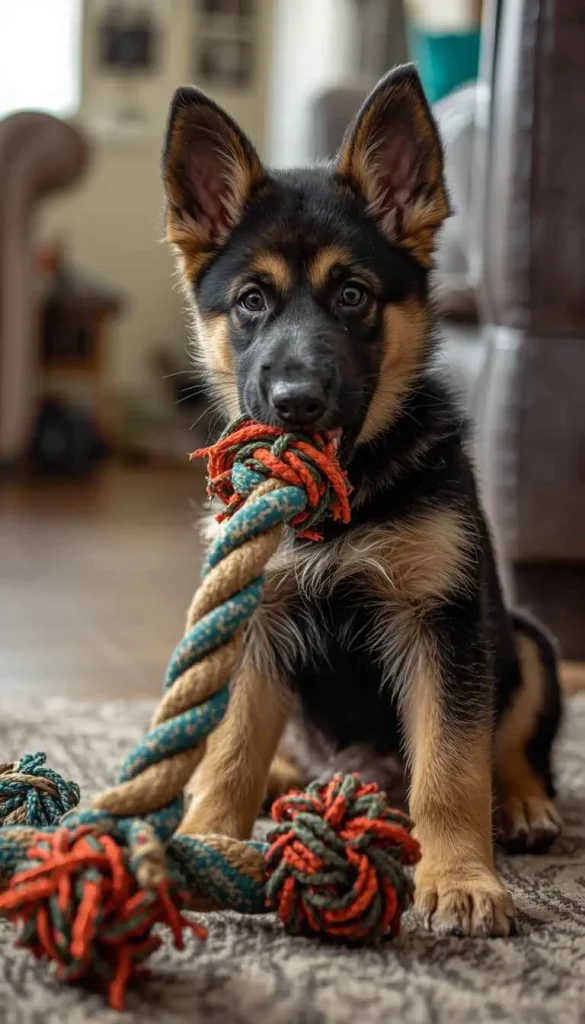
3-month-old_German_Shepherd_puppy_playfully_biting_oversized_rope

What’s Happening

Welcome to peak teething and maximum mouthing. Your puppy’s adult teeth are coming in, their jaw hurts, and the only relief they know is chewing everything within reach—including your hands, ankles, and furniture.

Physical Development: 20-35 pounds. Their coordination improves daily, which means they’re getting into higher places and tighter spaces.

Your Primary Jobs This Month

Bite Inhibition Training: German Shepherds were bred to use their mouths for work. Puppy mouthing is normal; your job is teaching them how hard is too hard.

When they bite during play, give a high-pitched “OW!” and immediately stop all interaction for 10-15 seconds. Turn away, cross your arms, ignore them completely. Then resume play. If they bite again, repeat. After three strikes, playtime ends entirely and you leave the room.

This teaches them: gentle mouth = play continues; hard mouth = fun stops.

Teething Solutions: Freeze a wet washcloth and let them chew it. The cold numbs their gums. Keep rotating chew toys (Nylabones, Kong Puppy, rope toys) to maintain interest. If they go for your baseboards or furniture legs, redirect to an appropriate toy and praise heavily when they choose it.

First Vet Visits and Vaccinations: Your puppy should be on their second or third round of vaccines by now (DHPP series). Keep them away from dog parks and areas with unknown dogs until fully vaccinated around 16 weeks. Parvo and distemper are real threats.

Basic Commands Start Now: Your 12-week-old GSD is smarter than most adult dogs of other breeds. Start with sit, down, and come using high-value treats (small pieces of chicken, cheese, or hot dog). Keep sessions to 5 minutes, 3-4 times daily. End on success.

Hazel’s Warning: GSDs at this age will test boundaries like tiny scientists. If you let them on the couch once, they’ll remember for life. Decide your rules now and enforce them consistently.

Month 3 (16-20 Weeks): The Fearful Phase

What’s Happening

Around 16-18 weeks, many puppies hit their first fear period. Things that didn’t bother them last week—a plastic bag blowing in the wind, a stranger’s hat, a loud truck—suddenly become terrifying.

Physical Development: 35-50 pounds. They’re losing that round puppy belly and starting to look leggy and awkward.

Your Primary Jobs This Month

Navigate Fear Periods Carefully: Don’t coddle fearful behavior (that reinforces it), but don’t force them to confront scary things either. Use calm, neutral energy. If they’re scared of a trashcan, don’t drag them past it—walk by at a comfortable distance, reward calm behavior, and gradually decrease distance over days, not minutes.

Bad experiences during fear periods can create lifelong phobias. Take this seriously.

Increase Exercise Gradually: Your puppy can handle short walks now—15-20 minutes, twice daily. Avoid sustained running, jumping, or rough play with bigger dogs. Their growth plates are still developing and won’t fully close until 12-18 months. Overdoing it now creates orthopedic problems later.

Leash Manners Begin: Your GSD will pull. It’s what they do. Start teaching loose-leash walking now using the “stop-and-go” method: when they pull, you stop walking. Stand like a statue. The instant they look back or give slack, mark it (“yes!”) and resume walking. Pulling = no forward movement; loose leash = we go where you want.

This takes patience. Lots of it.

Mental Stimulation Becomes Critical: A tired puppy is a good puppy, but at this age, mental exhaustion beats physical. Use puzzle feeders, practice “find it” games with treats hidden around the house, and work on basic commands in new environments. A 10-minute training session wears them out more than a 30-minute walk.

Month 4-5 (20-28 Weeks): The Teenage Attitude Arrives
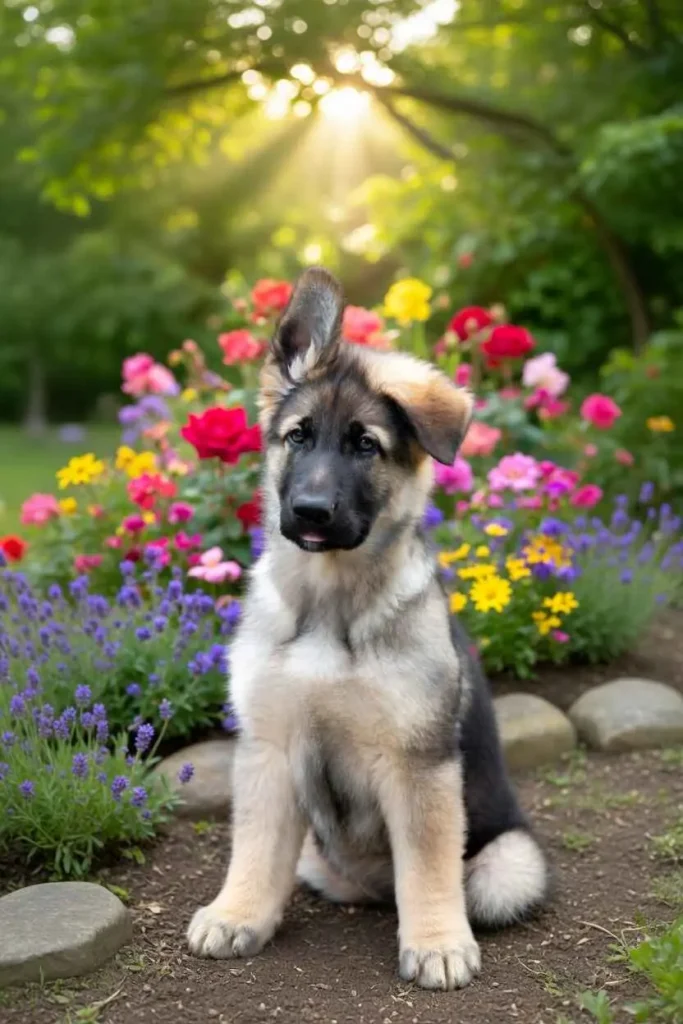
5-month-old German Shepherd adolescent with one ear up and one ear flopping sideways

What’s Happening

Your sweet, eager-to-please puppy suddenly develops opinions. They know the commands—they just don’t care anymore. This is adolescence knocking, and it’s brutal.

Physical Development: 50-65 pounds. They’re lanky, uncoordinated, and tripping over their own feet. Those ears might start standing up, or one might flop sideways while the other stands tall (the “lopsided phase” is real and hilarious).

Your Primary Jobs This Month

Reinforce Training Constantly: Regression is normal. Commands they knew perfectly last month? Forgotten. The solution isn’t frustration—it’s consistency. Go back to basics, use higher-value rewards, and practice in low-distraction environments before expecting performance in public.

Address Jumping Early: A 60-pound GSD jumping on guests isn’t cute anymore. The fix is simple but requires everyone’s cooperation: ignore jumping completely (turn away, cross arms, no eye contact, no pushing them down), and only give attention when all four paws are on the floor.

Socialization Continues: Your puppy is fully vaccinated now. Get them into group training classes, visit dog-friendly stores, and introduce them to as many novel experiences as possible. This builds confidence and prevents fear-based reactivity later.(socializing dogs)

Energy Management: Your GSD needs 45-60 minutes of exercise daily now, split between walks, play, and training. Under-exercised German Shepherds become destructive, anxious, and develop behavioral problems. This is a working breed. Act accordingly.

Hazel’s Reality: Month 5 is when most people surrender GSDs to shelters. They’re shocked by the energy, the mouthing, the stubbornness. Don’t be that person. This phase passes.

Month 6-7 (28-36 Weeks): The Hormonal Chaos

What’s Happening

Puberty hits hard. Males start marking, females may have their first heat, and everyone’s brain gets scrambled by hormones. Expect regression in training, increased reactivity to other dogs, and selective deafness.

Physical Development: 60-75 pounds. Adult teeth are fully in. Their build is filling out, though they’re still gangly.

Your Primary Jobs This Month

Spay/Neuter Decision: Talk to your vet about timing. Some recommend waiting until 12-18 months for large breeds to allow full skeletal development, while others prefer 6-9 months to avoid behavioral issues. There’s no universal right answer—discuss your dog’s specific health and behavior with your vet.

Manage Same-Sex Aggression: Intact males may start posturing with other males. Intact females can become aggressive around their heat cycle. Supervise all dog interactions closely and remove your puppy at the first sign of tension (stiff body, hard stare, raised hackles).

Recall Training Becomes Critical: Off-leash recall should be rock-solid before you trust your GSD in unfenced areas. Practice with a long line (20-30 feet) in safe spaces. Call them, reward generously when they come, then immediately release them to go play again. Coming to you should never mean fun ends.

Month 8-12 (36-52 Weeks): The Final Push
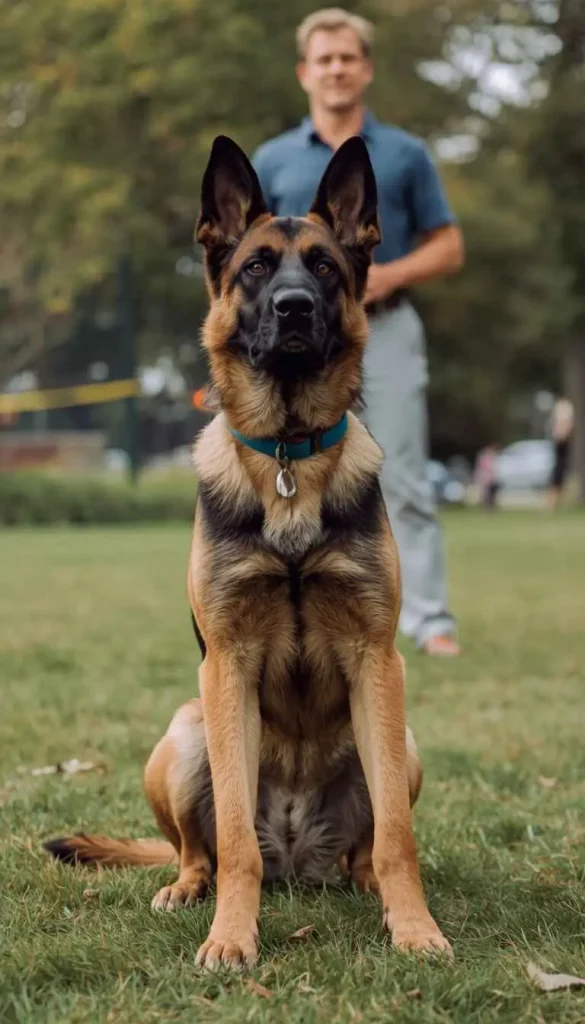
10-month-old_German_Shepherd_performing

What’s Happening

Your puppy is physically almost full-grown but mentally still a teenager. The good news? The worst is behind you. The challenge? Don’t get complacent now.

Physical Development: Males reach 70-90 pounds, females 55-75 pounds. Their adult coat is fully in. Ears are standing (if they’re going to).

Your Primary Jobs This Phase

Advanced Training: Enroll in intermediate obedience or a sport (agility, nose work, tracking). GSDs need jobs. Giving them structured work prevents boredom-based destruction.

Establish Routines: Your dog should have a predictable schedule for meals, exercise, and training. German Shepherds thrive on routine—it reduces anxiety and reinforces good behavior.

Address Resource Guarding Early: If your GSD shows any signs of guarding food, toys, or spaces (freezing, hard stare, growling), address it now with a certified trainer. This doesn’t go away on its own and can escalate into serious aggression. Preventing resource guarding

The One-Year Mark: Celebrate it. You survived the hardest year. Your GSD is still young—they won’t fully mature until 2-3 years old—but the foundation you’ve built this year determines everything that comes next.

The Gear You Actually Need

Forget the marketing. Here’s what matters:

Must-Haves:

  • Properly fitted crate (adult size with divider)
  • High-quality puppy food (large-breed formula to support joint development)
  • Enzymatic cleaner for accidents
  • Variety of chew toys (rotate weekly)
  • 6-foot leash and flat collar (no retractable leashes, no choke/prong collars for puppies)
  • High-velocity dryer or quality towels (for that double coat)

Worth the Investment:

  • Puzzle feeders and interactive toys
  • Professional training classes (group and private)
  • Good pet insurance (hip dysplasia, bloat, and genetic conditions are real risks)

What I Wish Someone Had Told Me

Your German Shepherd puppy will be exhausting, frustrating, and occasionally infuriating. They’ll destroy things you love, embarrass you in public, and make you question why you didn’t get a goldfish.

But somewhere around month 10, something shifts. They’ll execute a perfect recall. They’ll rest their head on your lap during a thunderstorm. They’ll alert you to something wrong before you even notice it. And you’ll realize this isn’t just a dog—it’s a partnership.

The first year is brutal because it’s building something extraordinary. Every sleepless night, every chewed shoe, every training session in the rain—it compounds into a bond that most people with other breeds will never understand.

German Shepherds aren’t for everyone. But if you make it through the first year, you’ll have earned something rare: absolute loyalty from one of the most intelligent, capable, devoted dogs on the planet.

That’s worth every minute of the chaos.

More German Shepherd Guides

German Shepherd Colors: Complete Guide to Coat Colors & Patterns
Best Supplements for German Shepherd’s Joints and Coat

German Shepherd Shedding: The Complete Survival Guide

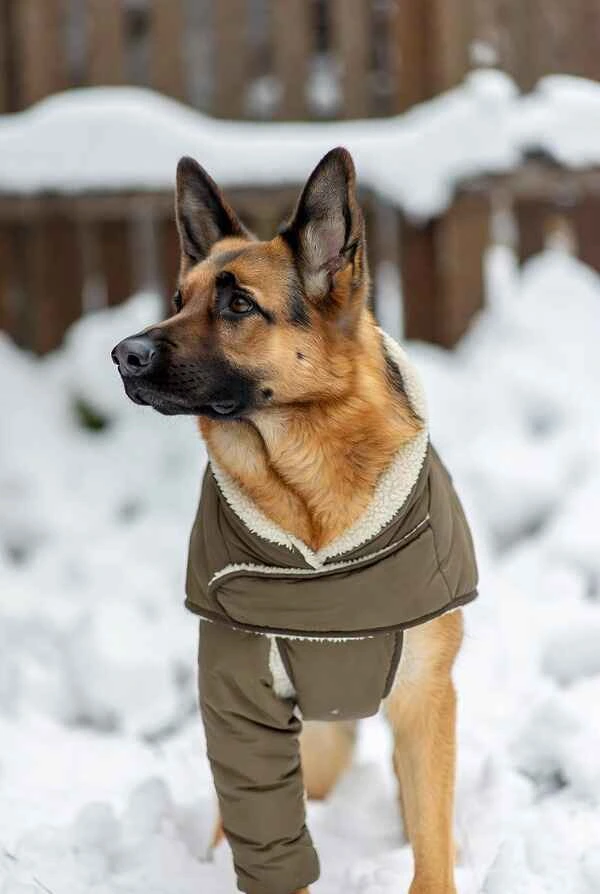
Gsd_winter_survival

By Hazel Sloane

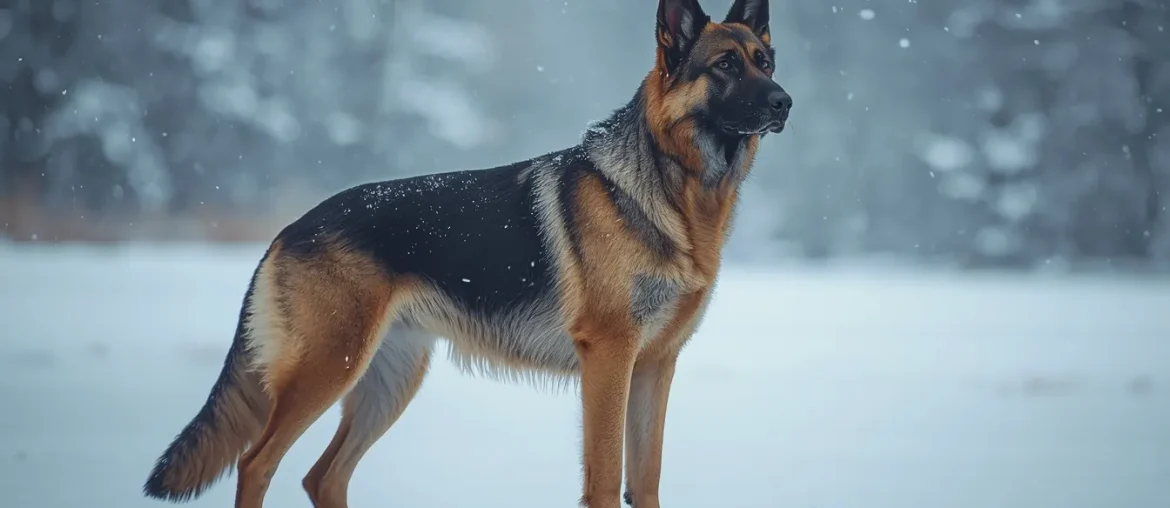
I’ve always believed that surviving winter with a German Shepherd isn’t about enduring the cold—it’s about outsmarting it.

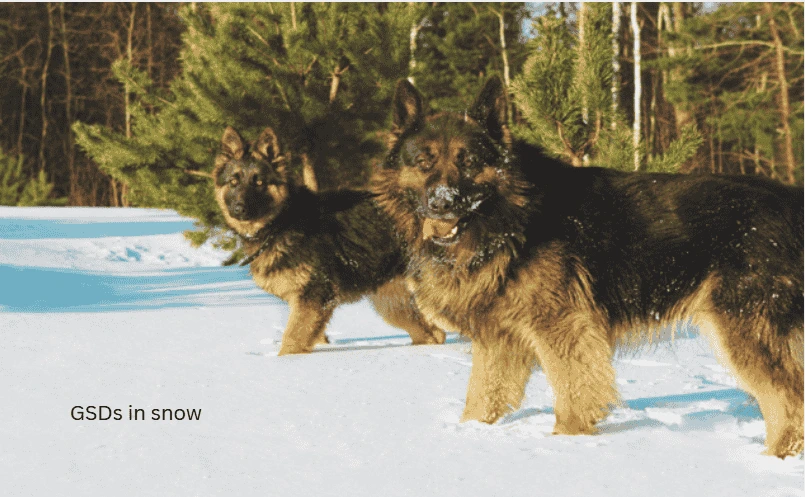
Your GSD might look invincible trotting through snow like a wolf, but that thick double coat has limits. When temperatures plummet below freezing, the threats multiply: chemical road salts burning sensitive paw pads, hidden antifreeze puddles, hypothermia from wet fur, and frostbite on those expressive ears.

If you’ve watched your Shepherd shiver after a walk or frantically lick their paws raw, you know winter isn’t just another season—it’s a minefield. This guide reveals exactly how to protect your GSD from the hidden dangers in every snowbank and salted sidewalk.

The Double Coat Myth: Why Your GSD Can Still Freeze

Let’s clear up a dangerous misconception: A German Shepherd’s double coat does NOT make them immune to the cold.

Yes, their guard hairs repel some moisture. Yes, that fluffy undercoat traps warm air close to the skin. But here’s what most owners don’t realize: once that undercoat gets soaked from melting snow or freezing rain, it loses its insulating power completely. Wet fur conducts heat away from the body much faster than dry fur, which means your GSD can go from “comfortable” to “hypothermic” frighteningly fast in extreme conditions.

My rule: If you’d shiver standing still in a light jacket, your Shepherd shouldn’t be stationary outside either. Walking generates body heat and keeps circulation strong. Standing around at the dog park in freezing temps? That’s when hypothermia creeps in.

Temperature Safety Guidelines

Know when to limit or modify outdoor time:

Above 45°F (7°C): Most GSDs are comfortable for extended periods

32-45°F (0-7°C): Monitor closely, limit stationary time to 15-20 minutes

20-32°F (-7 to 0°C): Protective gear recommended, shorter walks (20-30 minutes max)

Below 20°F (-7°C): Essential paw protection, brief potty breaks only (10-15 minutes)

Below 0°F (-18°C): Emergency measures, indoor exercise only

Always adjust based on your dog’s age, health, coat condition, and individual cold tolerance. Senior dogs, puppies, and GSDs with health issues need extra protection.

gsd_winter-coat

Recognize the Warning Signs

Get inside immediately if you notice:

  • Shivering that won’t stop
  • Lethargy, reluctance to move, or weakness
  • Whining or anxious behavior
  • Pale or blue-tinged gums
  • Ears or tail tip feel unusually cold or hard to touch
  • Stumbling, lack of coordination, or decreased responsiveness

How to Properly Dry a Double Coat After Winter Walks

This is where most owners fail. You can’t just towel-dry a GSD and call it done—the moisture stays trapped in that dense undercoat, creating the perfect conditions for hypothermia or hot spots (yes, even in winter).

Here’s the right way to dry them

Start with a high-absorbency microfiber towel and blot (don’t rub) the top coat to remove surface water. Then and this is critical use a high-velocity dryer (not a regular blow dryer). These professional-grade dryers literally blast water out of the undercoat instead of just moving it around. Professional brands like Flying Pig or K-9 III cost $60-150 but will last years a worthwhile investment for any GSD owner in cold climates.

Work in sections, starting at the neck and moving toward the tail. Hold the nozzle 6 inches from the skin and move constantly to avoid overheating one spot. Pay special attention to the chest, belly, and armpits—these areas stay wet longest and are most vulnerable to chill.

The whole process takes 15-20 minutes, but it’s the difference between a warm dog and a dog who’ll be shivering on the couch for the next hour. If you don’t have a high-velocity dryer, at least keep your GSD moving and warm indoors until their undercoat air-dries completely.

Hazel’s Tip: I keep a dedicated “drying station” by my back door with the dryer plugged in and ready. The faster you can start the drying process after coming inside, the better.

Don’t Shave That Double Coat

One more critical point: never shave or drastically trim your GSD’s coat in winter, thinking it will help them stay cleaner or dry faster. That double coat is their natural insulation system. Shaving it removes their protection against both cold and overheating (yes, that undercoat regulates temperature both ways). Regular brushing to prevent matting is essential—matted fur loses its insulating properties and traps moisture against the skin.

Road Salt and De-icers: The Silent Paw Killer

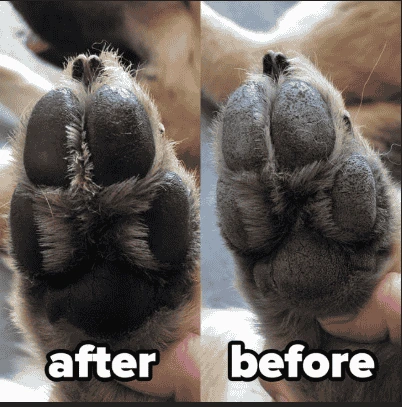
gsd_paw_wax_befor_after

Once you’ve got your post-walk drying routine down, there’s another winter threat that requires equal attention.

In most Western countries, city sidewalks aren’t just slippery—they’re toxic. City crews spread tons of rock salt (sodium chloride), calcium chloride, and magnesium chloride across sidewalks and roads. Your GSD walks through this chemical cocktail on every winter outing, and the consequences are brutal:

Chemical Burns: The skin between your dog’s paw pads is thin and sensitive. Salt crystals act like tiny shards of glass, creating micro-abrasions that sting and crack. Left untreated, these turn into painful, infected wounds.

Toxicity: Here’s what many owners miss—dogs instinctively lick their paws after walks. When they ingest road salt or certain de-icers, it can cause excessive thirst, vomiting, diarrhea, lethargy, or in severe cases, sodium poisoning. Some products also contain additives or may be mixed with antifreeze residue from vehicles, adding another layer of danger.

The Solution That Actually Works

Prevention beats treatment every time. Before heading out, apply a protective barrier:

Musher’s Secret (my go-to): This 100% natural wax was originally developed for sled dogs in the Iditarod. It creates a breathable barrier that doesn’t crack in extreme cold. Apply it 2-3 minutes before the walk so it absorbs slightly into the paw pads.

High-Quality Booties: Brands like Ruffwear Grip Trex (with Vibram soles for actual ice traction) or Ultra Paws Durable actually stay secured with dual closures, unlike cheap knock-offs that fly off after 30 seconds. Yes, expect that hilarious high-stepping walk for 2-3 days while they adjust. They will.

After Every Walk (Non-Negotiable):

  1. Wipe paws thoroughly with a warm, damp cloth to remove salt residue
  2. Check between the toes for trapped ice balls or salt crystals
  3. Dry completely, especially between pads
  4. Reapply a thin layer of paw balm to heal any irritation

If you notice persistent licking, redness, cracking, or limping, check for chemical burns and rinse the paws with lukewarm water immediately. Severe burns or swelling require a vet visit.

Winter Exercise: Mental Stimulation Over Physical Burn

Protecting your GSD’s paws is only half the battle. When harsh weather shortens outdoor time, you face a different challenge: a bored, under-stimulated working dog.

When the blizzard hits and you can’t go for your usual 5-mile run, you’ve got a problem. A bored German Shepherd is a destructive German Shepherd.

GSDs were bred to work 12-hour days herding sheep in the Bavarian Alps. Their brains need jobs. In winter, when outdoor exercise gets cut short, you have to compensate with mental stimulation—which, fortunately, is even more exhausting than physical exercise.

Indoor “Nose Work”: Engaging the Tracking Brain

Your Shepherd’s nose has 225 million scent receptors (you have 5 million). Use them.

The Basic Game: Hide high-value treats around your house while your dog waits in another room. Start easy under a couch cushion, behind a door. Release them with a “Find it!” command and let them hunt. Gradually increase difficulty by hiding treats inside boxes, under rugs, or on higher furniture they need to problem-solve to reach.

A 15-minute nose work session will tire your GSD more than a 30-minute walk. Why? Because you’re forcing them to use their brain, make decisions, and problem-solve exactly what their genetics are screaming for them to do.

Indoor Games That Actually Work for High-Energy GSDs

German-Shepherd playing-tug-of war-with-owner using-rope-toy

Hide and Seek: Have a family member hold your dog in one room while you hide somewhere in the house. Call their name once. Make them track you down using sound and scent. Reward with praise and play when they find you. This taps into their natural tracking and protection instincts.

Tug-of-War with Rules: Contrary to old-school training myths, tug doesn’t make dogs aggressive it makes them tired. Use a rope toy and establish clear “take it” and “drop it” commands. Let them win sometimes (it builds confidence). A good 10-minute tug session engages their prey drive and burns serious energy.

Puzzle Toys: Invest in interactive feeders like the Nina Ottosson puzzle series or a simple Kong Wobbler. Instead of giving meals in a bowl, make them work for every piece of kibble. This slows eating, prevents bloat, and turns mealtime into a 20-minute mental workout.

Stair Work (If Approved by Your Vet): If your GSD is over 18 months old and has healthy hips, controlled stair exercises can provide physical burn indoors. Teach them to slowly walk up and down on command never running or jumping, which stresses joints. Always get vet clearance first, especially if your dog has any history of hip or joint issues.

Hazel’s Pick: On brutal cold days, I combine all three nose work for 15 minutes, tug for 10, then a puzzle feeder for dinner. Total time investment? 45 minutes. Result? A calm, satisfied dog who’s not chewing my baseboards at midnight.

Essential Winter Gear Checklist

Make sure you have:

  • □ Paw protection (wax or booties)
  • □ High-velocity dryer or quality microfiber towels
  • □ Reflective collar/leash for dark winter walks
  • □ Indoor puzzle toys and interactive feeders
  • □ Warm, dry bedding away from drafts
  • □ Paw balm for healing cracked pads

Winter Emergency Kit

Keep these in your car during winter outings:

  • Extra blankets
  • Spare towels for emergency drying
  • Thermos of warm (not hot) water for rinsing paws
  • Emergency contact info for 24-hour veterinary clinic
  • Flashlight with fresh batteries
winter_gsd_Servive

Final Thoughts

Winter with a German Shepherd doesn’t have to be a season of worry. With the right preparation protective paw care, proper drying techniques, and creative indoor enrichment your GSD can thrive even when the temperature drops. The key is staying one step ahead of the cold, because your Shepherd is counting on you to keep them safe, warm, and mentally satisfied until spring arrives.

Remember: A well-prepared winter routine isn’t just about survival it’s about helping your GSD genuinely enjoy the season while staying healthy and happy. Your dog may look like a wolf, but they’re relying on you to be smarter than the weather. Don’t let them down.

You can see other articles –

Best Toys for German Shepherds: Indestructible Picks for Power Chewers

Best Supplements for German Shepherd’s Joints and Coat

By Hazel Sloane

Discover all German Shepherd color variations from classic black and tan to rare white, blue, and panda GSDs. Learn which colors meet breed standards and how genetics determine coat color.


When I tell people that I have a German Shepherd, most picture the classic black and tan coloring the iconic look seen in police dogs and movies. But Luna is a rich sable color that shifts from light gold to dark charcoal depending on the light. People are often surprised to learn she’s a purebred German Shepherd.

Real truth is, German Shepherds come in a stunning variety of colors and patterns, each with its own unique beauty. Some are recognized by major kennel clubs, while others are considered rare or non-standard. Understanding these color variations helps you appreciate the diversity within this magnificent breed.

Whether you’re choosing a German Shepherd puppy, curious about color genetics, or simply fascinated by the range of GSD appearances, this complete guide covers all things you need to know about German Shepherd colors.


Standard German Shepherd Colors (AKC Recognized)

The American Kennel Club recognizes specific German Shepherd colors as meeting breed standards. These are the colors you’ll see in conformation shows and from reputable breeders focused on breed standards.

1. Black and Tan

Classic black and tan German Shepherd with saddle pattern coat

Most common and iconic GSD color

Appearance:

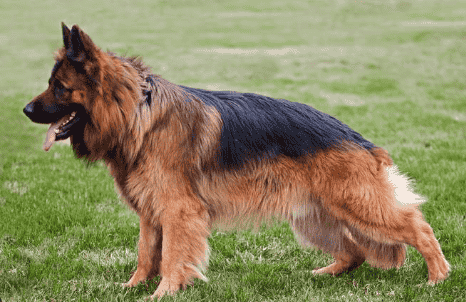
  • Tan or cream body with black saddle marking across back
  • Black face mask
  • Black along the spine, tail, and legs
  • Tan ranges from light cream to deep red

Pattern variations:

  • Classic saddle pattern (black V-shape over back)
  • Blanket pattern (more extensive black coverage)

Why it’s so common:
This coloring is genetically dominant, making it the most frequently seen pattern. It’s also the “traditional” GSD look that most people recognize instantly.

Hazel’s Note:
This is the color most people think of when they picture a German Shepherd. It’s stunning and timeless, though I’m admittedly biased toward my sable girl.


2. Black and Red

Classic black and red German Shepherd

Richer, more vibrant version of black and tan

Appearance:

  • Similar pattern to black and tan
  • Tan areas are deeper red or mahogany instead of tan
  • More saturated, intense coloring
  • Black saddle or blanket pattern

Distinction from black and tan:
The red coloring is richer and more pigmented than standard tan. In sunlight, the red tones are especially striking.

Popularity:
Highly sought after by many breeders and owners who prefer the more dramatic coloring. Often seen in show lines and working lines.


3. Sable (Gray Sable/Agouti)

Sable_German_Shepherd_showing_agout_ multi toned_coat_color

Wild-type coloring, closest to original German Shepherd appearance

Appearance:

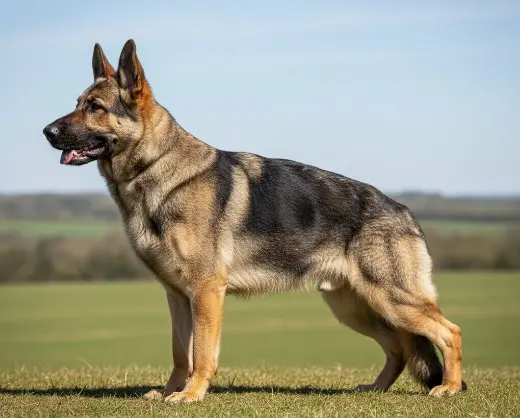
  • Each individual hair is banded with multiple colors (black, brown, gray, tan)
  • Overall appearance ranges from light gray to dark charcoal
  • Can appear to change color in different lighting
  • No distinct pattern like saddle markings
  • More “wolfish” appearance

Color variations within sable:

  • Light sable (more tan/gold)
  • Dark sable (more black/charcoal)
  • Gray sable (silvery tones)

Genetics:
Sable is actually the dominant color gene in German Shepherds, though black and tan appears more common due to selective breeding preferences.

Why I love it:
Luna’s sable coat is like a living painting. In bright sunlight, she looks golden. In shade, she appears almost charcoal. The multi-toned banding on each hair creates incredible depth and richness.


4. Solid Black

Solid_black_German_Shepherd_purebred_with_no_tan_markings

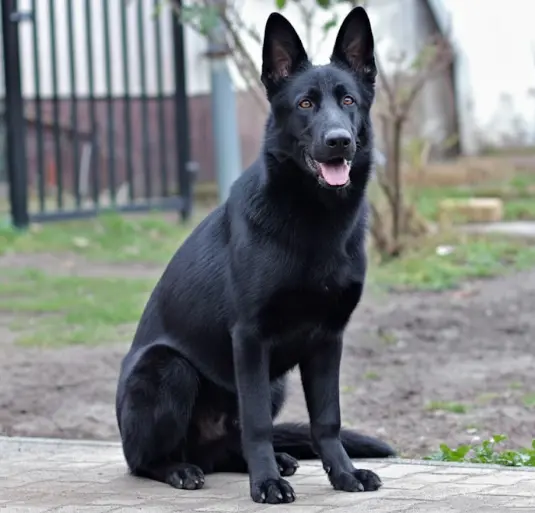
Striking, entirely black German Shepherds

Appearance:

  • Completely black from nose to tail
  • No tan, brown, or other color markings
  • May have small white chest spot (still considered solid black)
  • Coat can be shiny or matte

Rarity:
Less common than black and tan but not rare. Requires both parents to carry the recessive black gene.

Misconceptions:
Solid black GSDs are NOT a different breed. They’re purebred German Shepherds with recessive color genetics.

Temperament myth:
Black GSDs have the same temperament as any other color. Color doesn’t affect personality, drive, or trainability.

Show eligibility:
Fully recognized by AKC and allowed in conformation shows.


5. Bicolor

Mostly black with minimal tan markings

Appearance:

  • Predominantly black coat (80-90% black)
  • Small tan markings on legs, feet, face, or under tail
  • Less tan than black and tan pattern
  • Often mistaken for solid black from a distance

Difference from black and tan:
Bicolor has much less tan—just accent points rather than full body tan.

Genetics:
Result of genes that restrict the tan/red pigment to minimal areas.

Popularity:
Loved for the dramatic, mostly-black appearance while still showing the classic GSD tan points.


Non-Standard German Shepherd Colors

These colors occur naturally in German Shepherds but are not recognized by the AKC breed standard. Dogs with these colors cannot compete in conformation shows, though they can participate in obedience, agility, and other performance events.

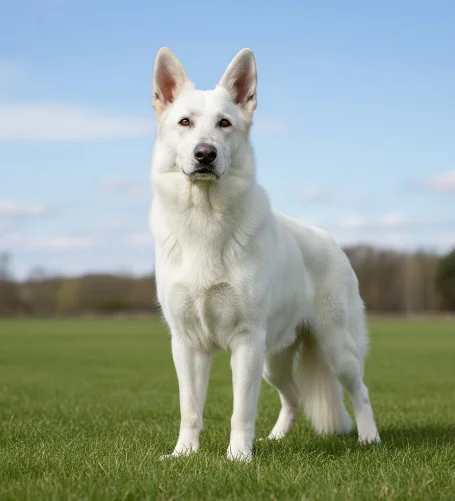
6. White German Shepherd

White_German_Shepherd_with_dark_eyes_and_nose_not_albino

Controversial but beautiful solid white coat

Appearance:

  • Pure white coat from head to tail
  • Dark eyes and nose (not albino)
  • Pink or dark paw pads
  • Same structure and build as standard GSDs

Important distinction:
White GSDs are NOT albino. They have normal pigmentation in eyes and nose. The white coat is caused by a recessive gene that masks other colors.

Breed recognition:

  • Not recognized by AKC for conformation
  • Recognized as separate breed by United Kennel Club (called “White Shepherd”)
  • Controversial in GSD community

Health:
No health issues associated with white coat color. They’re as healthy as any other GSD color.

Temperament:
Identical to other German Shepherds. Color doesn’t affect personality or working ability.

Why the controversy:
Some believe white dogs should be removed from breeding programs to preserve traditional GSD appearance. Others argue white is a natural color variation that shouldn’t be discriminated against.


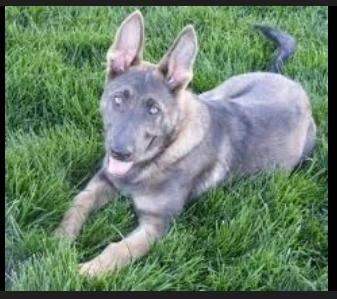
7. Blue German Shepherd

Blue-German-Shepherd-with diluted-gray-coat-color

Diluted black coloring creating blue-gray appearance

Appearance:

  • Blue-gray or steel-gray coat
  • Can have blue and tan pattern (similar to black and tan)
  • Grayish nose and paw pads
  • Lighter, sometimes amber-colored eyes

Genetics:
Blue is a dilution gene acting on black pigment. It’s recessive, requiring both parents to carry the gene.

Health concerns:
Blue dogs can be prone to Color Dilution Alopecia (CDA), a condition causing hair loss and skin issues. Not all blue dogs develop it, but it’s a risk.

Breed standard:
Not recognized by AKC. Considered a fault in conformation showing.

Rarity:
Relatively rare. Some breeders specifically breed for blue, while others avoid it due to health concerns.


8. Liver (Brown) German Shepherd

Brown instead of black pigment

Appearance:

  • Brown coat where black would normally be
  • Can be liver and tan (brown saddle with tan body)
  • Light brown, amber, or green eyes
  • Brown nose and paw pads

Genetics:
Recessive gene that changes black pigment to brown. Both parents must carry the gene.

Breed standard:
Not recognized by AKC. Very rare in German Shepherds.

Health:
No specific health issues associated with liver coloring.


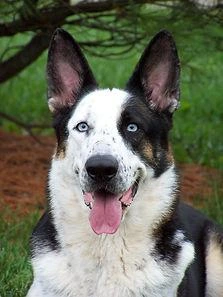
9. Panda German Shepherd

Rare_panda_German_Shepherd with_piebald_white_markings

Extremely rare piebald pattern

Appearance:

  • Classic German Shepherd coloring (black and tan) with white spotting
  • White chest, paws, face markings, or belly
  • Symmetrical or asymmetrical white patches
  • Looks like a GSD with “paint splashes”

Origin:
First documented in 2000 from a spontaneous mutation. All panda GSDs trace back to a single dog named “Lewcinka’s Franka von Phenom.”

Genetics:
Caused by KIT gene mutation affecting pigment distribution. Extremely rare—requires specific genetic inheritance.

Breed standard:
Not recognized by AKC. Cannot be shown in conformation.

Rarity:
One of the rarest GSD color variations. Panda GSDs are highly unusual and often expensive.

Health:
No health issues specifically linked to panda coloring.


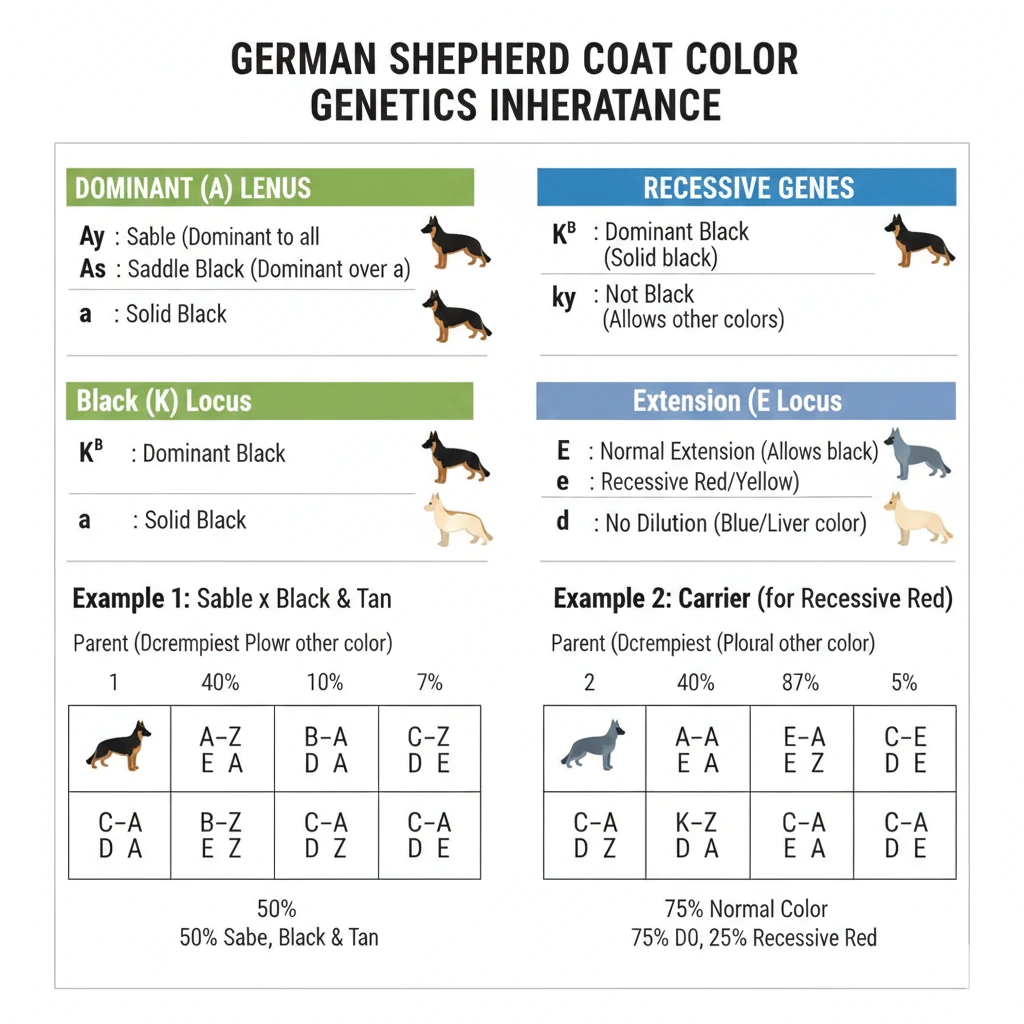
How German Shepherd Color Genetics Work

German_Shepherd_color_genetics_inheritance_chart_showing dominant_and_recessive_genes

Understanding basic color genetics helps explain why certain colors appear and how breeders can predict puppy colors.

Dominant vs. Recessive Genes

Dominant genes (show up even if only one parent carries them):

  • Sable (most dominant)
  • Black and tan

Recessive genes (require both parents to carry the gene):

  • Solid black
  • Blue
  • Liver
  • White

Color Inheritance Simplified

Two black and tan parents:
Can produce black and tan, sable (if carrying sable gene), or solid black (if both carry recessive black)

Two sable parents:
Typically produce sable puppies, but can produce black and tan if both carry that gene

Two solid black parents:
Will only produce solid black puppies

Predicting puppy colors:
Requires knowing the parents’ genetic makeup, not just their appearance. A black and tan dog might carry genes for sable, black, or even blue without showing those colors.


Color Changes: Puppy to Adult

German-Shepherd-puppy-color-change-from-dark-puppy-to-adult-sable

German Shepherd puppies often change color dramatically as they mature.

Common Color Changes

Black puppies:

  • May develop tan points as they grow (becoming bicolor or black and tan)
  • Solid black puppies usually stay black

Sable puppies:

  • Born darker, often appearing almost black
  • Lighten significantly as adult coat grows in
  • Final adult color not evident until 2-3 years old

Black and tan puppies:

  • Tan areas may darken or lighten
  • Black saddle may expand (blanket pattern) or stay defined

White puppies:

  • Born white, stay white
  • May appear cream as puppies, pure white as adults

When Final Color Appears

Most GSDs: Final adult coloring evident by 2-3 years old
Sables: Can continue darkening or lightening throughout life
Black and tan: Relatively stable, though tan intensity may shift

Hazel’s Experience:
Luna was nearly black as a puppy. I thought I had a solid black GSD. As her adult coat came in around 6-8 months, the sable pattern emerged. She continued lightening until about age 2, when her final rich sable color stabilized.


Does Color Affect Health or Temperament?

This is one of the most common questions about GSD colors.

Health Considerations

Most colors: No health impact
Blue GSDs: Risk of Color Dilution Alopecia (hair loss, skin issues)
White GSDs: No health issues despite myths
Other colors: No color-related health concerns

Important: Hip dysplasia, digestive issues, and other common GSD health problems are unrelated to coat color. Genetics, breeding practices, and care matter far more than color.

Temperament and Color

No scientific evidence links coat color to temperament in German Shepherds.

Temperament determined by:

  • Genetics (parents’ temperament)
  • Socialization
  • Training
  • Individual personality
  • Breeding line (working vs. show)

Color does NOT determine:

  • Intelligence
  • Trainability
  • Aggression levels
  • Loyalty
  • Working ability

Myths debunked:

  • White GSDs are NOT more timid (false)
  • Black GSDs are NOT more aggressive (false)
  • Sable GSDs are NOT more “wolfish” in temperament (false)

Choosing a German Shepherd by Color

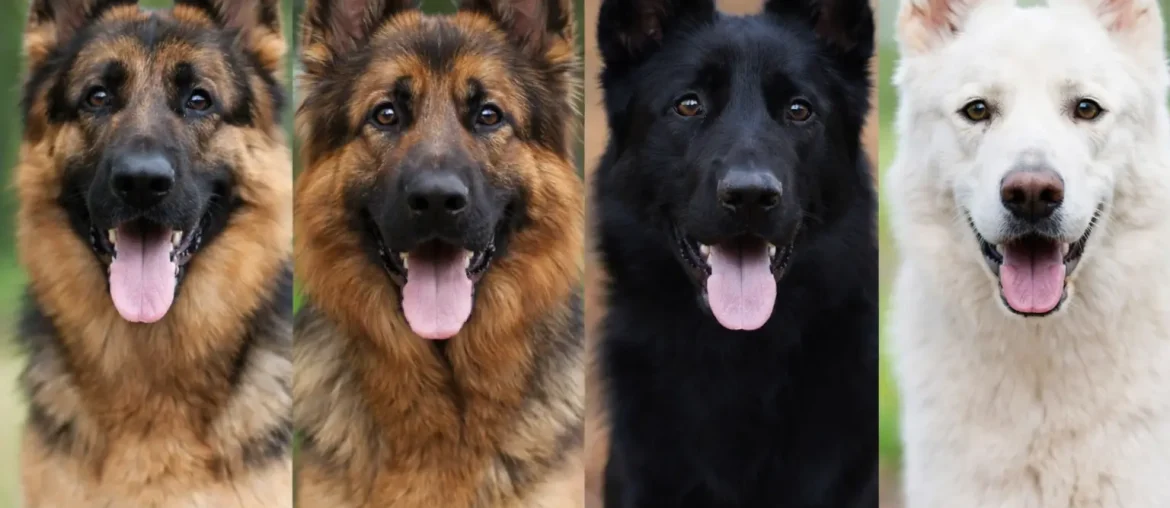
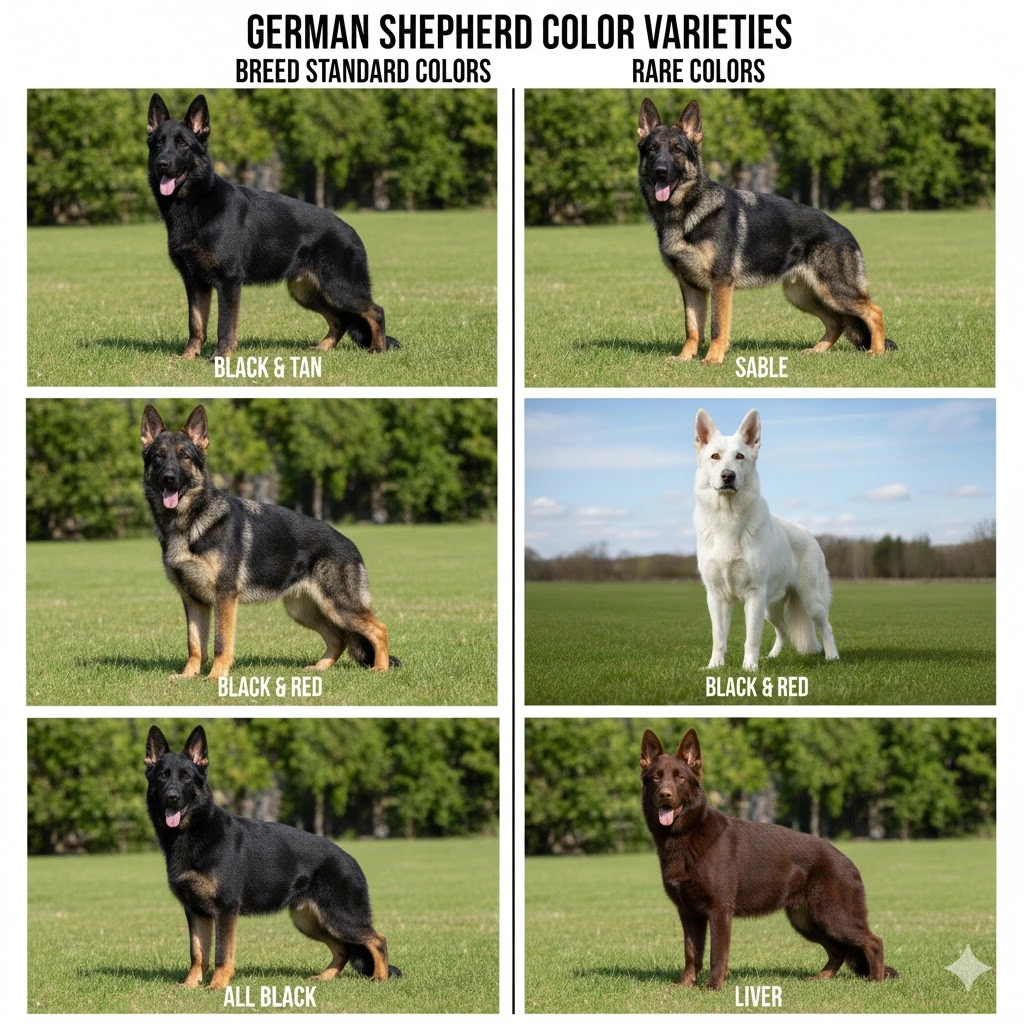
German_Shepherd_color_varieties showing_breed_standard_and_rare_colors"

If you’re selecting a GSD puppy, should color influence your decision?

When Color Matters

Personal preference:
If you have a strong aesthetic preference, that’s valid. You’ll live with your GSD for 10-12 years loving their appearance enhances your bond.

Show competition:
If you plan to show in conformation, stick to AKC-recognized colors (black and tan, black and red, sable, solid black, bicolor).

Breed preservation:
If breeding, follow breed standard guidelines and work with reputable mentors.

When Color Shouldn’t Matter

Health: Choose healthy parents and good genetics over color
Temperament: Select for temperament, not appearance
Working ability: If you need a working dog, ability trumps color
Overall quality: Structure, health testing, and breeder reputation matter more

Red Flags in Color-Based Breeding

Avoid breeders who:

  • Breed specifically for rare colors (blue, liver, panda) without health testing
  • Charge significantly more for “rare” colors
  • Focus on color over health, temperament, and structure
  • Make health claims based on color (“blue GSDs are healthier”)
  • Breed white GSDs specifically to avoid conformation standards

Reputable breeders:

  • Health test all breeding dogs
  • Breed for temperament and structure first
  • Produce various colors as natural genetic variation
  • Price puppies based on quality, not color
  • Follow breed standards

Color and the Breed Standard

Understanding what the AKC breed standard says about color helps explain why some colors are controversial.

AKC German Shepherd Breed Standard on Color

Acceptable colors:

  • Black and tan
  • Black and red
  • Sable
  • Solid black
  • Bicolor

Serious faults:

  • White (disqualification from conformation)
  • Blue
  • Liver

Pale, washed-out colors:
Considered undesirable but not disqualifying

Why Standards Matter

Breed standards preserve the German Shepherd’s original purpose, structure, and appearance. While some argue standards are too restrictive, they help maintain breed identity and consistency.

Performance vs. conformation:
A white, blue, or liver GSD can excel in obedience, agility, search and rescue, and be an amazing family dog—they just can’t compete in conformation shows.


Rare Color Pricing

Be aware of pricing tactics around rare colors.

What’s Fair

Normal variation:
Reputable breeders may charge similar prices for all colors or slightly more for less common colors like solid black or sable (due to supply and demand).

Price range:
$1,500-$3,500 from reputable breeders, regardless of color

Red Flags

Overpriced rare colors:
$5,000+ for blue, panda, or liver GSDs is often a red flag. High price doesn’t guarantee quality.

“Designer” marketing:
Terms like “rare blue,” “exotic panda,” or “premium white” often signal profit-driven breeding rather than breed preservation.

No health testing:
If a breeder charges premium prices but doesn’t health test (hips, elbows, genetics), walk away.


Caring for Different Coat Colors

All German Shepherd colors require similar care, with minor considerations.

General Coat Care (All Colors)

  • Brush 2-3 times weekly (daily during shedding season)
  • Bathe every 6-8 weeks or as needed
  • Use quality dog shampoo
  • Regular grooming maintains coat health

White GSDs

Special considerations:

  • Stains show more easily (tear stains, dirt)
  • May need more frequent bathing
  • Use whitening shampoo if desired (not necessary)

Myth: White coats don’t require special care beyond normal grooming

Dark Colors (Black, Dark Sable)

Sun exposure:
Dark coats can fade slightly in intense sun. Provide shade during peak hours.

Heat absorption:
Dark coats absorb more heat. Monitor for overheating in summer.


Final Thoughts

German Shepherd colors are wonderfully diverse, from the classic black and tan to striking solid black, rich sables, and rare whites. Each color has its own unique beauty and charm.

Luna’s sable coat taught me that the “traditional” GSD look is just one expression of this incredible breed. Her color shifts with the seasons and light, creating an ever-changing appearance that I never tire of.

If you’re choosing a German Shepherd, let color be a factor in your decision if it matters to you but its not the primary factor. Health, temperament, structure, and the breeder’s reputation should always come first. A well-bred, healthy, confident German Shepherd is beautiful regardless of color.

The best German Shepherd color is the one attached to a dog you’ll love for their entire life. Whether they’re black and tan, sable, white, or any variation in between, what matters is the bond you build and the life you share together.

💡 Choosing a German Shepherd puppy?
Learn about temperament, size differences, and what to look for in our complete breed selection guide.


More German Shepherd Breed Guides

  • German Shepherd Size Guide: Weight & Height by Age — Growth charts and size expectations
  • Male vs. Female German Shepherds: Which to Choose? — Temperament and size differences
  • Are German Shepherds Good Family Dogs? — Suitability and temperament guide

Explore all GSD breed facts →


Trusted Resources


Keywords: German Shepherd colors, GSD coat colors, black and tan German Shepherd, sable German Shepherd, white German Shepherd, German Shepherd color genetics


💬 What color is your German Shepherd? Share a photo in the comments—we’d love to see the beautiful variety of GSD colors in our community!

By Hazel Sloane

German Shepherds shed a lot. Here’s everything you need to know about managing GSD shedding, from the best tools to daily routines that actually work.


If you own a German Shepherd, you’ve made peace with one undeniable truth: fur is now a permanent part of your life.

It’s on your clothes, your furniture, your car seats, and somehow—inexplicably—inside your kitchen cabinets. You’ve probably vacuumed three times this week and still found tumbleweeds of fur rolling across your floor like tiny, fluffy ghosts.

German Shepherds are incredible dogs, but they are professional shedders. It’s not a flaw—it’s just part of the package. The good news? With the right tools, routines, and expectations, you can manage the shedding without losing your mind.

Let me walk you through everything I’ve learned over the years about keeping German Shepherd shedding under control.


Why German Shepherds Shed So Much

German Shepherds have a double coat, which means they have two layers of fur working together:

1. The Outer Coat (Guard Hairs)

This is the longer, coarser layer you see on the surface. It’s designed to protect your dog from dirt, moisture, and UV rays. Guard hairs are relatively weather-resistant and give your GSD that classic, sleek look.

2. The Undercoat (Soft, Dense Fur)

Beneath the guard hairs is a thick, fluffy undercoat that provides insulation. In winter, this layer keeps your dog warm. In summer, it helps regulate body temperature by trapping cool air close to the skin.

Unlike single-coated breeds (think Poodles or Greyhounds), German Shepherds shed year-round. But twice a year, during spring and fall, they go through a major shedding event called “blowing their coat,” and that’s when things get really intense.

Hazel’s Reality Check:
I’ve had German Shepherds my entire adult life, and I’ve learned to embrace the fur. It’s not going away. But with a solid routine, you can keep it manageable instead of overwhelming.


Shedding Seasons: What to Expect

German Shepherds shed consistently throughout the year, but their shedding intensifies dramatically twice a year.

Spring Shedding (March–May)

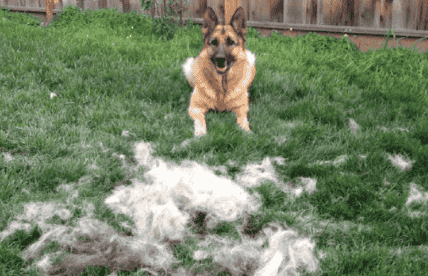
In spring, your GSD sheds their thick winter undercoat to prepare for warmer weather. This is often the heaviest shedding season. You’ll notice massive clumps of soft, fluffy fur coming out in your hands when you brush them.

During this time, daily brushing isn’t optional—it’s survival.

Fall Shedding (September–November)

In fall, your German Shepherd sheds their lighter summer coat and grows in a thicker undercoat for winter. This shedding event is usually less dramatic than spring, but it’s still significant.

Year-Round Shedding

Even outside of blowout seasons, German Shepherds shed daily. You’ll find fur on your clothes, furniture, and floors no matter what time of year it is. That’s just life with a double-coated breed.


Is My German Shepherd Shedding Too Much?

Shedding is normal, but excessive shedding can sometimes signal a health issue. Here’s how to tell the difference:

Normal Shedding Looks Like:

  • Consistent, moderate shedding year-round
  • Heavier shedding in spring and fall
  • Fur comes out easily when you brush
  • Your dog’s coat still looks full and healthy
  • No bald patches or thinning areas

Excessive or Abnormal Shedding Looks Like:

  • Sudden, dramatic increase in shedding outside of seasonal changes
  • Bald spots or patchy fur loss
  • Red, irritated, or flaky skin underneath
  • Your dog is constantly scratching or biting at their coat
  • Dull, dry, or brittle fur texture

If your German Shepherd’s shedding seems abnormal, it could be caused by:

  • Poor nutrition (low-quality food lacking essential fatty acids)
  • Allergies (food allergies or environmental triggers)
  • Skin infections (bacterial or fungal)
  • Parasites (fleas, mites, or ticks)
  • Stress or anxiety
  • Hormonal imbalances (thyroid issues, Cushing’s disease)

When in doubt, check with your vet. Sudden changes in shedding patterns are worth investigating.


The Best Deshedding Tools for German Shepherds

Not all brushes are created equal. Here’s what actually works for managing GSD shedding:

1. Undercoat Rake

This is your number one weapon against shedding. An undercoat rake has long, spaced-out teeth designed to reach through the guard hairs and pull out loose undercoat without damaging the topcoat.

When to use it: Daily during shedding season, 2-3 times per week otherwise.

Hazel’s Pick:
I swear by a good undercoat rake during spring blowouts. You’ll be shocked at how much fur comes out in a single session.

2. Slicker Brush

A slicker brush has fine, short wires close together. It’s great for removing loose fur from the surface and keeping the coat smooth and tangle-free.

When to use it: After using the undercoat rake, or for quick daily touch-ups.

3. Deshedding Tool (Like a FURminator)

Deshedding tools have a fine-toothed blade that grabs and removes loose undercoat. They’re incredibly effective but should be used carefully—over-brushing can irritate your dog’s skin.

When to use it: Once or twice a week during heavy shedding seasons. Avoid using it more than necessary.

Hazel’s Tip:
Don’t press too hard with a deshedding tool. Let the tool do the work. If you’re applying pressure, you’re doing it wrong.

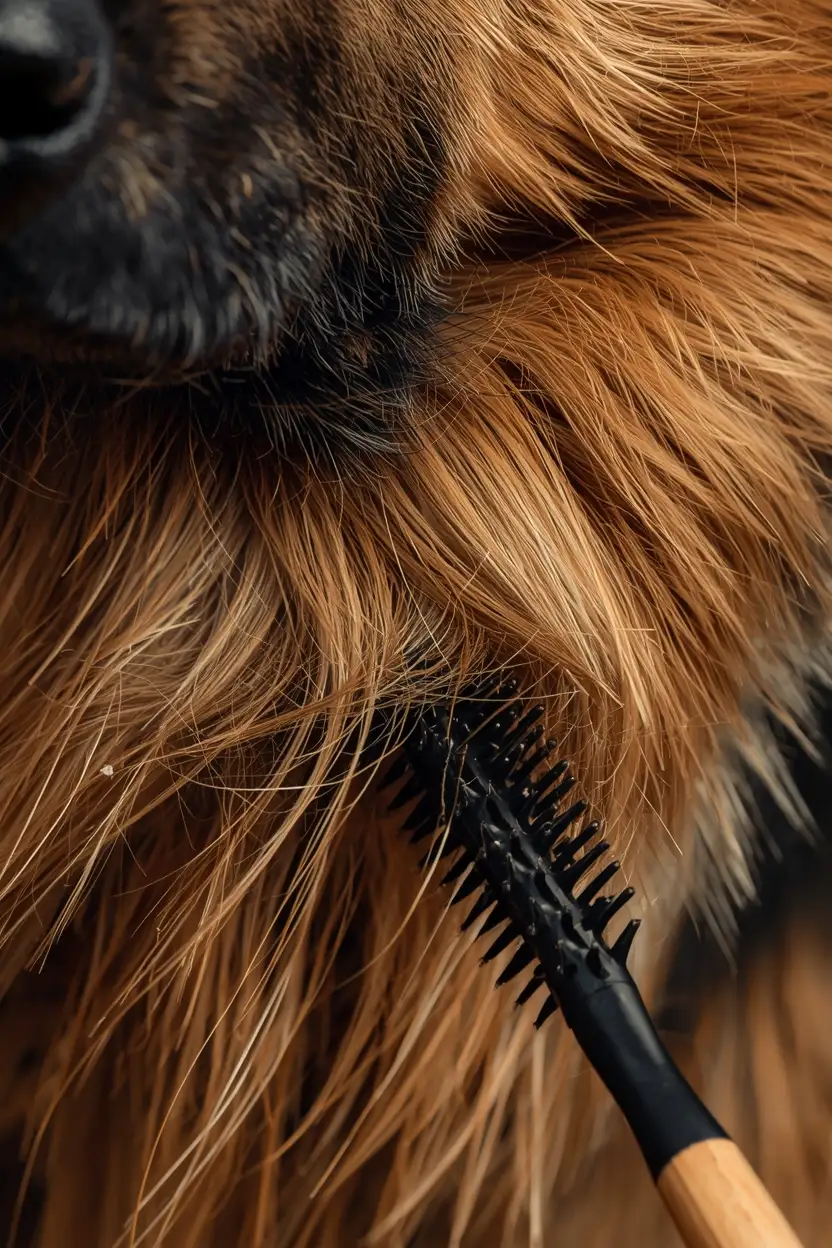
Using undercoat rake to remove loose fur from German Shepherd

4. Pin Brush

A pin brush has rounded tips and is gentler than a slicker brush. It’s good for general grooming and distributing natural oils through the coat.

When to use it: For everyday brushing or for dogs with sensitive skin.

5. Grooming Glove

A rubber grooming glove lets you “pet” your dog while removing loose fur. It’s less effective than dedicated tools but great for dogs who don’t love being brushed.

When to use it: As a supplementary tool or for quick touch-ups.


Daily Brushing Routine That Actually Works

Here’s the routine I follow with my German Shepherds, and it’s kept the fur situation under control for years:

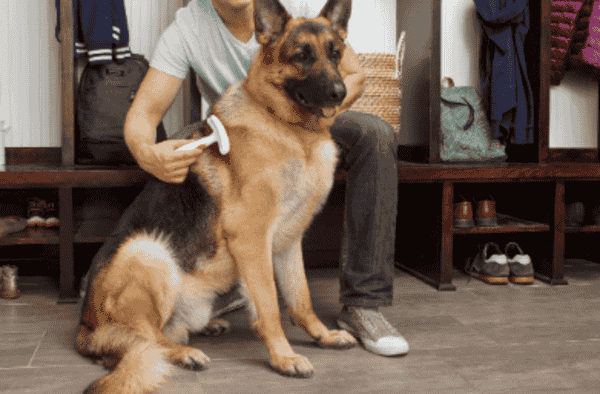
brshing-GSD

During Shedding Season (Spring & Fall):

Daily Routine (10-15 minutes):

  1. Start with the undercoat rake — Work in sections, brushing in the direction of fur growth. Focus on areas where the undercoat is thickest: the back, sides, chest, and haunches.
  2. Follow up with a slicker brush — Smooth out the topcoat and catch any remaining loose fur.
  3. Check for mats or tangles — Pay special attention to behind the ears, under the legs, and around the tail.
  4. Reward your dog — Make brushing a positive experience with treats or praise.

During Normal Shedding (Rest of the Year):

2-3 Times Per Week (5-10 minutes):

  1. Use the undercoat rake or slicker brush to remove loose fur.
  2. Keep sessions short and positive.
  3. Watch for any skin irritation or unusual shedding patterns.

Hazel’s Secret:
I brush my GSDs outside whenever possible. It keeps the fur tumbleweeds from invading my house, and the dogs seem to enjoy being outdoors during grooming time.


Diet & Supplements That Reduce Shedding

You can’t stop a German Shepherd from shedding, but you can improve the health of their coat—and healthy coats shed less excessively.

1. High-Quality Dog Food

Your dog’s diet has a massive impact on coat health. Look for food that:

  • Lists real meat as the first ingredient
  • Contains omega-3 and omega-6 fatty acids
  • Avoids fillers like corn, wheat, and soy
  • Includes vitamins A and E for skin and coat health

If your GSD’s coat looks dull, dry, or brittle, diet is often the culprit.

2. Omega-3 Fatty Acid Supplements (Fish Oil)

Omega-3s support skin health, reduce inflammation, and promote a shiny, healthy coat. Many German Shepherds benefit from a daily fish oil supplement, especially if their food doesn’t already include it.

Dosage: Follow the product instructions based on your dog’s weight, or consult your vet.

3. Coconut Oil

A small amount of coconut oil (about 1 teaspoon per 10 pounds of body weight) can support coat health when added to food. It also has antibacterial and anti-inflammatory properties.

Hazel’s Tip:
I add a teaspoon of fish oil to my dogs’ meals a few times a week. I’ve noticed their coats are shinier and softer, and shedding seems slightly less intense during blowout season.

4. Stay Hydrated

Dehydration can lead to dry skin and increased shedding. Make sure your German Shepherd always has access to fresh water.


Bathing Schedule for Shed Control

Bathing your German Shepherd can help loosen and remove dead undercoat, but you have to be careful not to overdo it.

How Often Should You Bathe a GSD?

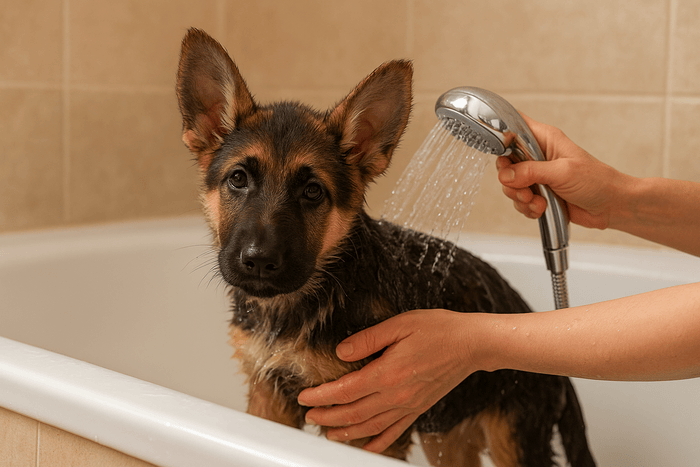
GSD-Bathing

Every 6-8 weeks is ideal for most German Shepherds. Bathing too frequently strips natural oils from the skin and coat, which can actually increase shedding and cause dryness.

Best Bathing Practices for Shedding:

  1. Brush before bathing — Remove as much loose fur as possible first. Wet fur mats easily, and you don’t want to trap dead undercoat against the skin.
  2. Use a deshedding shampoo — Look for shampoos formulated to loosen undercoat and promote healthy skin.
  3. Rinse thoroughly — Leftover shampoo can irritate skin and cause itching, leading to more shedding.
  4. Blow-dry (if possible) — A high-velocity dog dryer can blow out tons of loose undercoat. If you don’t have one, towel-dry thoroughly and brush again once your dog is fully dry.

Hazel’s Bathing Tip:
I bathe my GSDs outdoors in warm weather. It’s easier to manage the fur, and they love being outside. In winter, I use a walk-in shower with a handheld sprayer.


Managing GSD Fur in Your Home

Even with perfect grooming, you’ll still have fur in your house. Here’s how to keep it manageable:

1. Invest in a Good Vacuum

A vacuum designed for pet hair is worth every penny. Look for one with strong suction, a HEPA filter, and attachments for furniture and stairs.

2. Lint Rollers and Pet Hair Removers

Keep lint rollers in every room, your car, and your bag. Rubber pet hair removal brushes are also great for furniture and car seats.

3. Washable Furniture Covers

Protect your couch and chairs with washable, pet-friendly covers. It’s easier to throw a cover in the wash than to deep-clean a couch every week.

4. Regular Laundry Routine

Wash your dog’s bedding, blankets, and any fabric they come in contact with regularly. Add a cup of white vinegar to the rinse cycle to help remove pet hair.

5. Air Purifiers

A HEPA air purifier can help capture airborne fur and dander, which is especially helpful if you or anyone in your household has allergies.

Hazel’s Reality Check:
I’ve accepted that no matter how much I clean, there will always be some fur. I’ve made peace with it. My advice? Wear clothes that match your dog’s coat color. It’s genius.


When Excessive Shedding Signals a Health Problem

If your German Shepherd’s shedding suddenly increases or you notice any of the following, see your vet:

  • Bald patches or uneven hair loss
  • Red, inflamed, or scaly skin
  • Constant scratching, licking, or biting at the coat
  • A strong odor coming from the skin or coat
  • Lethargy or behavior changes alongside shedding

These could be signs of:

  • Allergies (food or environmental)
  • Skin infections (bacterial or fungal)
  • Parasites (fleas, mites)
  • Hormonal imbalances (hypothyroidism, Cushing’s disease)
  • Nutritional deficiencies

Shedding alone isn’t usually a health concern, but when paired with other symptoms, it’s worth investigating.


Hazel’s Complete Weekly Shedding Management Routine

Here’s exactly what I do to keep German Shepherd shedding under control:

During Shedding Season:

  • Daily: 10-15 minutes of brushing with undercoat rake and slicker brush
  • Weekly: Check for mats, tangles, and skin irritation
  • Every 6-8 weeks: Bath with deshedding shampoo
  • Ongoing: Vacuum floors and furniture 3-4 times per week, wash dog bedding weekly

During Normal Months:

  • 2-3 times per week: Brushing session with undercoat rake or slicker brush
  • Every 6-8 weeks: Bath
  • Ongoing: Vacuum 2-3 times per week, wash bedding every other week

Year-Round:

  • Feed high-quality food with omega fatty acids
  • Add fish oil supplement a few times per week
  • Keep lint rollers everywhere
  • Accept that fur is just part of life now

Final Thoughts

German Shepherd shedding is inevitable. You can’t stop it, and honestly, you shouldn’t try. That double coat is doing exactly what it’s designed to do—protecting your dog and regulating their body temperature.

But with the right tools, a consistent grooming routine, and realistic expectations, you can absolutely keep shedding manageable. It doesn’t have to take over your life.

Brush regularly, feed well, and remember: every strand of fur is a reminder of the incredible dog you share your life with. It’s a small price to pay for a German Shepherd’s loyalty, intelligence, and love.

Now go grab that undercoat rake. Your vacuum cleaner will thank you.

out door activities

Trusted Resources


German Shepherds are more than just loyal companions they’re icons. Known for their intelligence, courage, and devotion, GSDs have left permanent marks on history, pop culture, law enforcement, and even wartime missions.

In this Shepzy guide, we’re celebrating seven legendary German Shepherds whose stories continue to inspire millions of dog lovers. If you’re a proud GSD parent (or future one), these tales will remind you why this breed is one of the most beloved in the world.

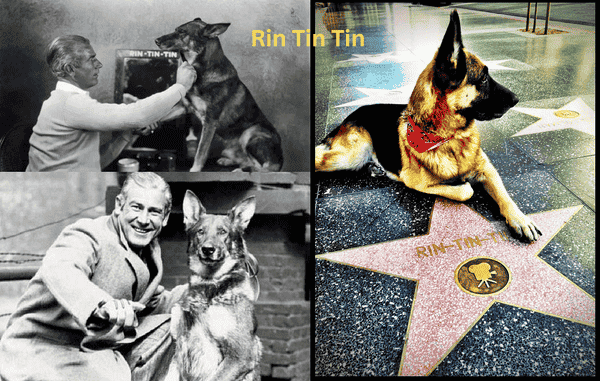
1. Rin Tin Tin — The German Shepherd That Saved Hollywood

Why Rin Tin Tin Is Legendary

  • He starred in over 25 Hollywood films.
  • His performances helped Warner Bros survive financial collapse in the 1920s.
  • Rumor says he received the most votes for the first Academy Award for Best Actor (though he was removed because he was a dog!).

Rin Tin Tin is the reason German Shepherds became one of America’s favorite dog breeds and the hero behind the rise of canine movies worldwide.

2. Strongheart — One of the First GSD Movie Stars

Before Rin Tin Tin, there was Strongheart, another rescued GSD turned actor. Born as “Etzel von Oeringen” in Germany, Strongheart was trained as a police dog before coming to the U.S. for a film career.

His Impact

  • Starred in several silent films including The Silent Call and White Fang.
  • Helped establish the “hero dog” genre in early cinema.
  • Became a beloved symbol of courage and strength.

Strongheart’s intense expressions and emotional performance style stunned audiences and showed the world what GSDs were capable of on screen.

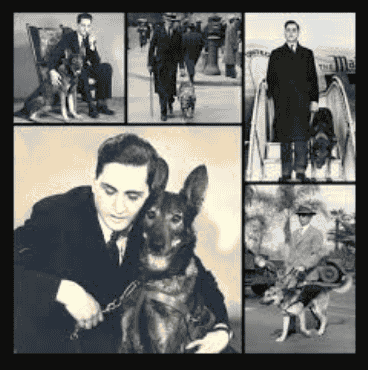
3. Buddy — The First Official Guide Dog in America

Buddy wasn’t just a German Shepherd she was the pioneer who changed the lives of thousands of visually impaired people.

In 1928, a young blind man named Morris Frank traveled to Switzerland to be paired with the first American-trained guide dog. The dog’s name was Buddy.

Why Buddy Is Unforgettable

  • She became the first guide dog in the U.S., leading the way for modern guide-dog programs.
  • Buddy and Morris Frank co-founded The Seeing Eye, the first guide-dog school in North America.
  • Her calmness, intelligence, and trainability set the gold standard for future guide dogs.

Buddy proved German Shepherds could not only protect and serve but also guide, comfort, and transform human lives.

Buddy

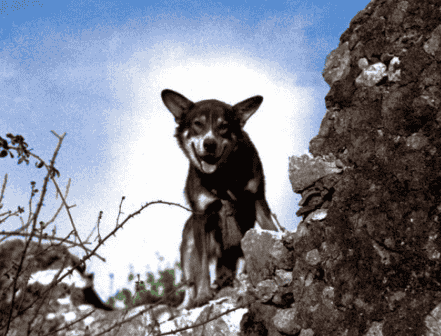
4. Chips — The Most Decorated War Dog in U.S. Military History

Chips, a mixed German Shepherd Collie Husky, served during World War II and became one of the most decorated military dogs in American history.

His Heroic Feats

  • Participated in Operation Husky (the invasion of Sicily).
  • Single-pawedly attacked an enemy machine-gun nest, forcing four soldiers to surrender.
  • Saved U.S. troops during multiple surprise attacks.

For his bravery, Chips was awarded:

  • The Distinguished Service Cross
  • The Silver Star
  • The Purple Heart

Though the military later revoked animal medals, Chips remains a symbol of courage, loyalty, and selfless service.

Chips

5. Apollo — The 9/11 Search-and-Rescue Hero

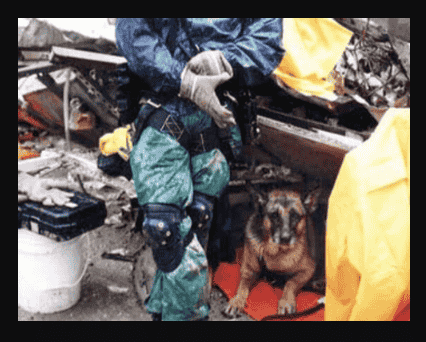
No list is complete without Apollo, one of the first K-9 responders at the World Trade Center after the 9/11 attacks.

Apollo’s Legacy

  • Arrived at Ground Zero 15 minutes after the collapse.
  • Rescued survivors and located victims under dangerous conditions.
  • Nearly lost his life when falling debris struck but continued working after a quick check by his handler.

Apollo and other search-and-rescue GSDs became symbols of hope during one of the darkest moments in history. He was honored with the Dickin Award (the animal equivalent of the Victoria Cross).

6. Finn — The Police Dog Who Changed UK Law

Finn was a police German Shepherd in the UK who became famous after surviving a brutal knife attack while protecting his handler.

What Finn Achieved

  • His story led to the creation of Finn’s Law, which gives police dogs and horses stronger legal protection from harm.
  • Finn recovered from severe injuries and continued supporting police outreach programs.
  • He also became a finalist on Britain’s Got Talent stealing hearts nationwide.

Finn proved that GSDs aren’t just working dogs; they’re partners who put their lives on the line.

7. Max — The Family Dog Who Saved a Boy’s Life

Max’s Heroism

  • Threw himself between the child and the snake.
  • Took the bites himself but survived thanks to quick medical care.
  • Became a global symbol of the German Shepherd’s loyalty and protective nature.

Stories like Max’s remind us that sometimes the greatest heroes are family pets driven by pure love.

Why German Shepherds Continue to Make History

From film sets to battlefields, disaster zones to family homes, German Shepherds stand out for:

  • Intelligence (one of the top 3 smartest breeds)
  • Trainability (police, service, protection, therapy GSDs can do it all)
  • Courage & loyalty
  • Emotional sensitivity
  • Incredible work ethic

This unique combination allows them to rise to extraordinary moments and leave a lasting impact on the world.

Final Thoughts: The Legacy Lives On

These seven German Shepherds didn’t just make history they shaped cultures, saved lives, changed laws, and captured hearts across generations.

Whether your GSD is a couch cuddler, a backyard explorer, or a trained working partner, remember this:

Every German Shepherd carries the same spirit that made these legendary dogs unforgettable.

So give your GSD an extra hug today they may not know they come from a line of heroes, but they definitely act like it.