

German Shepherd Exercise Requirements – Age-by-Age Guide
By Hazel Sloane
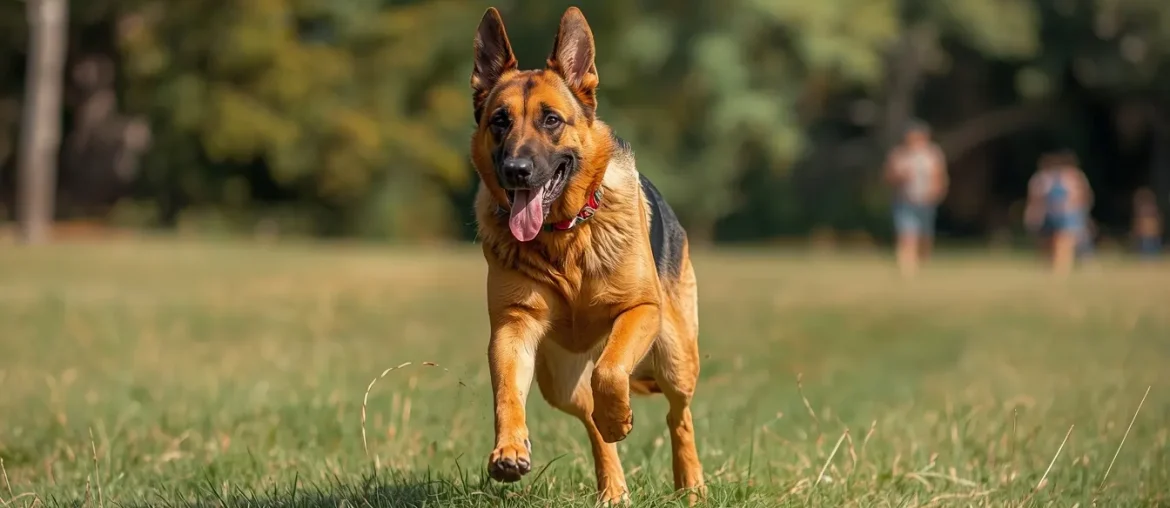
If you’re Googling “how much exercise does a German Shepherd need,” you’ve probably already discovered your GSD has more energy than you thought physically possible.
Maybe your 6-month-old puppy just destroyed your couch cushions again. Or your adult GSD is pacing circles around your living room at 10 PM despite the morning walk. Perhaps you’re watching your senior Shepherd struggle on stairs and wondering if you’ve been over-exercising them for years.
Here’s what most exercise guides won’t tell you: there’s no magic number of minutes that works for every German Shepherd at every age. A 10-week-old puppy’s exercise needs are radically different from a 2-year-old adult’s, which are completely different from an 8-year-old senior’s. Get it wrong, and you’ll either damage growing joints or create a destructive, anxious dog.
This guide breaks down exactly how much exercise your GSD needs at every life stage, what types of exercise are safe (and dangerous) for each age, and how to tell if you’re doing too much or too little.
No generic advice. No “30 minutes twice a day” nonsense that ignores your dog’s actual developmental needs. Just the age-specific protocols that keep German Shepherds physically healthy and mentally satisfied.
Why German Shepherds Need More Exercise Than Most Breeds
Let’s establish baseline reality: German Shepherds are working dogs bred for endurance.
For over a century, these dogs spent 10-12 hours daily herding sheep across mountainous terrain in all weather conditions. Their genetics haven’t changed just because your GSD lives in an apartment now. That drive to work, move, and engage is hardwired into every cell of their body.
What This Means for You:
An under-exercised German Shepherd doesn’t just get “a little hyper.” They develop serious behavioral problems:
- Destructive chewing (furniture, walls, doors)
- Excessive barking and whining
- Digging (indoors and out)
- Aggression or reactivity toward other dogs
- Separation anxiety
- Obsessive behaviors (tail chasing, shadow chasing, pacing)
- Weight gain and associated health problems
Every single one of these issues is more common in GSDs who aren’t getting adequate exercise. You can’t train your way out of insufficient exercise. A tired dog is a good dog and a German Shepherd requires significant effort to tire properly.
The Critical Difference: Physical vs. Mental Exercise
Here’s where most owners go wrong: they think exercise only means physical activity.
A 5-mile run will wear out your GSD’s body. But their brain? Still running at full speed, looking for problems to solve and jobs to do. This is why you can walk your dog for two hours and they’re still bouncing off walls—you exercised their legs but not their mind.
The 60/40 Rule I Live By:
- 60% mental stimulation (training, puzzle toys, nose work, problem-solving)
- 40% physical exercise (walking, running, play)
Why? Because 15 minutes of focused training or scent work exhausts a German Shepherd’s brain more than 45 minutes of walking. Their intelligence is both their greatest asset and your biggest challenge. Feed that brain, or it will find its own entertainment—and you won’t like what it chooses.
Puppy Exercise Guidelines: 8 Weeks to 12 Months (The Growth Plate Years)
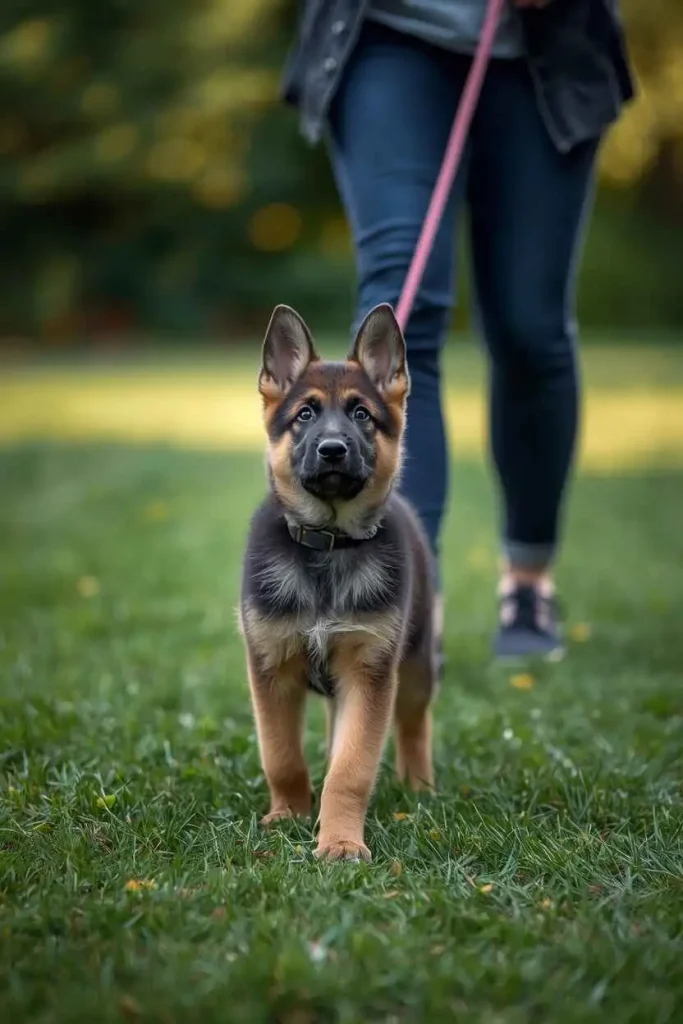
This is where most new GSD owners accidentally damage their dog’s joints for life.
8-12 Weeks: The Foundation Phase
Physical Exercise Limit: 10-15 minutes of structured exercise, 2-3 times daily
What This Looks Like:
- Short walks around the block (5-10 minutes)
- Gentle play in the yard
- Light socialization outings
- Basic training sessions (sit, down, come)
Critical Rules:
- NO jumping on/off furniture or in/out of vehicles
- NO stairs (carry them up and down)
- NO running on hard surfaces
- NO roughhousing with larger dogs
- NO sustained fetch or ball chasing
Why These Restrictions? Your puppy’s growth plates (the soft areas of developing bone) won’t close until 12-18 months. High-impact activity during this period can cause permanent joint damage, including hip dysplasia, elbow dysplasia, and arthritis.
Mental Exercise (Unlimited): This is where you should focus your energy. At this age, your puppy’s brain is more important than their body.
- Puzzle feeders (make them work for meals)
- Name recognition games
- Simple nose work (hide treats, let them find)
- Socialization to new environments
- Short training sessions (5 minutes, 4-5 times daily)
Red Flag Signs You’re Overdoing It:
- Puppy limping after exercise
- Reluctance to get up after resting
- Swollen joints
- Sleeping more than 18-20 hours per day isn’t normal at this age—check for overexertion
3-6 Months: The Energetic Teenager Emerges
Physical Exercise Limit: 15-25 minutes of structured exercise, 2-3 times daily
What This Looks Like:
- Two 15-20 minute walks daily
- Controlled play sessions in safe areas
- Swimming (excellent low-impact option)
- Very short jogs on soft surfaces (5 minutes maximum)
Still Forbidden:
- Sustained running or jogging
- Jumping sports (agility, dock diving)
- Playing with rough adult dogs
- Repetitive ball fetching (causes joint stress)
The Five-Minute Rule: A common guideline is five minutes of exercise per month of age, twice daily. So a 4-month-old gets 20 minutes, twice a day. This is a maximum, not a target.
Mental Exercise Becomes Critical: Your puppy is smart enough now to get into serious trouble if bored.
- Hide-and-seek games
- Basic obedience training (add duration and distraction)
- Scent discrimination games
- Puzzle toys that require problem-solving
- Controlled tug-of-war (with rules—they must release on command)
Reality Check: At this age, you’ll feel like your puppy has unlimited energy. They don’t. They’re just terrible at self-regulating. Enforce naps. Crate time isn’t punishment—it’s preventing overexertion.
7-12 Months: The Awkward Adolescent
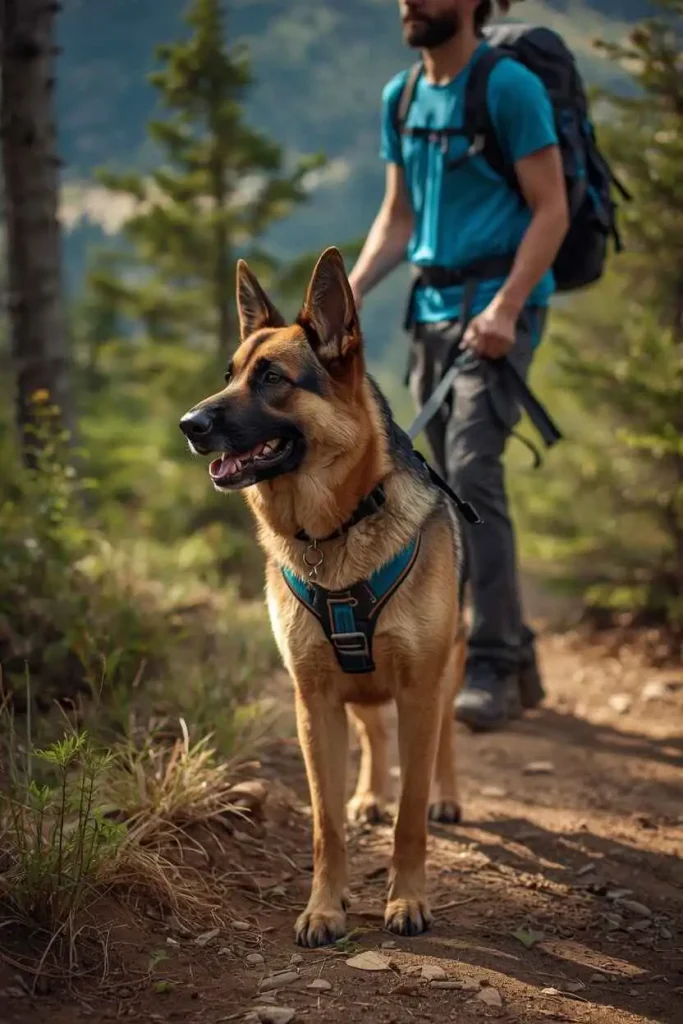
Physical Exercise Limit: 30-45 minutes of structured exercise, 2-3 times daily
What This Looks Like:
- Two 30-minute walks daily
- Off-leash play in safe, enclosed areas
- Introduction to dog sports (foundation skills only)
- Light hiking on natural terrain
- Swimming (still excellent)
Exercise You Can Introduce:
- Controlled fetch (5-10 minutes, then rest)
- Flirt pole work (builds prey drive control)
- Basic agility obstacles (low jumps, tunnels—no weave poles yet)
- Longer training sessions (15-20 minutes)
Still Risky:
- Distance running (over 2 miles)
- Jumping competitions
- Repetitive high-impact activities
The Adolescent Energy Paradox: Your GSD seems like they could run forever. They can’t. Their bones are still developing. Just because they’ll keep going doesn’t mean they should.
Mental Stimulation Prevents Teenage Rebellion
Adolescent GSDs are notorious for “forgetting” their training. They’re testing boundaries and getting bored easily. Double down on mental work:
- Advanced obedience (distance commands, duration)
- Nose work classes
- Trick training
- Learning names of toys (GSDs can learn 100+ object names)
- Hide items and have them retrieve specific ones
Adult Exercise Requirements: 18 Months to 7 Years (Peak Performance)
Your GSD’s growth plates have closed. They’re physically mature. Now you can finally give them the exercise they’ve been bred for.
Daily Adult Exercise Baseline
Minimum Requirements:
- 60-90 minutes of physical exercise daily
- 30-45 minutes of mental stimulation
- Preferably split across 2-3 sessions
What This Actually Looks Like:
Morning (45 minutes):
- 30-minute brisk walk or jog
- 15 minutes of training or fetch
Evening (45 minutes):
- Another walk or off-leash park time
- Play session with another dog
- Evening training routine
Mental Work (30 minutes spread throughout day):
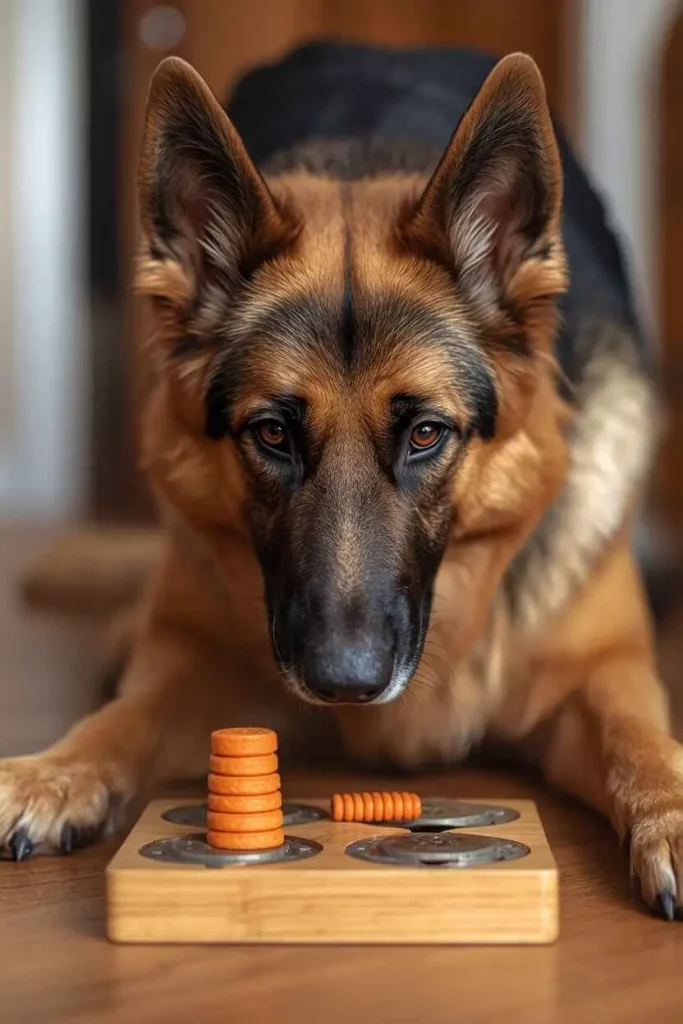
- Puzzle feeders for meals
- Training sessions
- Nose work or hide-and-seek
- Learning new commands or tricks
Exercise Types for Adult GSDs
Walking: The foundation. Brisk walking, not leisurely strolling. Your GSD should be working, not just meandering.
Running/Jogging: Most adult GSDs can easily handle 3-5 miles once conditioned. Build up gradually—don’t go from couch to 5K overnight.
Swimming: The best full-body workout with zero joint impact. Perfect for high-energy dogs or those with early arthritis signs.
Fetch: In moderation. Limit sessions to 10-15 minutes. Repetitive ball chasing can damage joints over time.
Hiking: Excellent. Natural terrain, varied elevation, and mental stimulation from new environments.
Dog Sports:
- Agility (full courses now safe)
- Rally obedience
- Nose work/scent detection
- Herding (if you have access)
- Dock diving
- Schutzhund/IPO
What to Avoid:
- Excessive jumping on hard surfaces
- Marathon running without conditioning
- Extended fetch sessions (more than 20 minutes)
- Running beside bikes on pavement (joint stress)
How to Tell If You’re Doing Enough
Signs Your Adult GSD Is Properly Exercised:
- Settles calmly in the house
- Sleeps through the night without restlessness
- No destructive behaviors
- Maintains healthy weight
- Engaged and focused during training
- Tired after exercise but not limping or excessively sore
Signs You’re Not Doing Enough:
- Constant pacing or restlessness
- Destructive chewing
- Excessive barking
- Doesn’t settle, even at night
- Weight gain
- Hyperactivity or inability to focus
- Creating their own “jobs” (usually destructive ones)
Signs You’re Overdoing It (Yes, This Happens):
- Limping or favoring a leg
- Reluctance to exercise
- Sleeping excessively (more than 14-16 hours for adults)
- Stiffness after rest
- Irritability or mood changes
- Worn paw pads or damaged nails

Senior Exercise Guidelines: 7+ Years (The Golden Years)
Around age 7, your GSD enters their senior years. Exercise remains critical, but the approach changes dramatically.
Adjusting for Age and Mobility
General Guidelines:
- 45-60 minutes of low-impact exercise daily
- Shorter, more frequent sessions (3-4 times instead of 2)
- Focus on maintaining muscle mass without stressing joints
- Mental stimulation becomes even more important
Best Exercises for Senior GSDs:
Walking: Still the foundation, but slower pace and softer surfaces. Grass and dirt trails over concrete.
Swimming: Becomes the gold standard. Builds muscle, maintains mobility, zero joint impact.
Gentle Play: They still want to play—just modify intensity. Soft toys, gentle tug, short fetch sessions.
Mental Work: Their brain doesn’t age as fast as their body. Continue training, puzzle toys, nose work.
What Changes With Senior Dogs
Reduce or Eliminate:
- Running or jogging
- Jumping (on/off furniture, in/out of vehicles)
- High-impact dog sports
- Extended hiking with elevation changes
- Playing with young, rough dogs
Watch For:
- Arthritis signs (stiffness, especially after rest)
- Hip dysplasia symptoms (bunny hopping, trouble standing)
- Decreased stamina
- Reluctance to exercise
- Pain indicators (whining, snapping when touched)
The “Use It or Lose It” Principle
Senior dogs who stop exercising decline rapidly. Muscle atrophy, weight gain, and joint stiffness accelerate when movement stops.
The Goal: Keep them moving at a level that maintains muscle and joint health without causing pain or injury.
Tools That Help:
- Orthopedic beds (reduce joint stress)
- Ramps for vehicles and furniture
- Joint supplements (glucosamine, chondroitin, fish oil)
- Heated beds for arthritis relief
- Doggy life jackets for swimming
- Harnesses instead of collar pressure
Weather Considerations for All Ages
Hot Weather (Above 80°F/27°C):
- Exercise early morning or late evening
- Limit sessions to 20-30 minutes
- Provide water breaks every 10 minutes
- Watch for overheating (excessive panting, drooling, lethargy)
- Avoid hot pavement (if you can’t hold your hand on it for 5 seconds, it’s too hot)
Cold Weather (Below 20°F/-7°C):
- Limit outdoor time to 15-20 minutes
- Watch for frostbite on ears and paws
- Senior dogs and puppies need extra protection
- Indoor exercise becomes critical
The Exercise Plan No One Follows (But Should)
Here’s the brutal truth: most GSD owners underestimate their dog’s needs by 50% or more.
You think you’re doing enough because your dog seems tired after a 30-minute walk. But six hours later, they’re tearing through the house. That’s not a bad dog—that’s an under-exercised working breed doing what working breeds do when understimulated.
My Challenge to You: For two weeks, double your current exercise routine. Add mental stimulation games. Increase training time. See what happens to the behavioral problems you’ve been fighting.
I guarantee most of them disappear.
When to Consult Your Vet
Get professional guidance if:
- Your puppy limps or shows joint pain
- Your adult GSD resists exercise or seems in pain
- Your senior dog’s mobility decreases rapidly
- You’re unsure about starting a new exercise program
- Your dog has a history of hip dysplasia or joint problems
- You want to begin competitive dog sports
The Bottom Line on German Shepherd Exercise
German Shepherds aren’t for everyone. They require time, energy, and commitment that many breeds simply don’t demand.
If you work 10-hour days and come home exhausted, if you don’t enjoy outdoor activities, if you consider a 20-minute walk “plenty of exercise”—you will struggle with this breed. That’s not a judgment. It’s a reality check.
But if you embrace the challenge, if you build your life around meeting your GSD’s needs, if you find joy in long hikes and training sessions and watching your dog’s incredible capabilities develop—you’ll have a partner unlike any other breed can provide.
Your German Shepherd will give you everything they have. They’ll protect you, work for you, love you with absolute devotion. All they ask in return is that you keep them moving, keep them thinking, and give them a purpose.
That’s the deal. Honor it, and you’ll understand why GSD owners become lifers.